 Rahul Somvanshi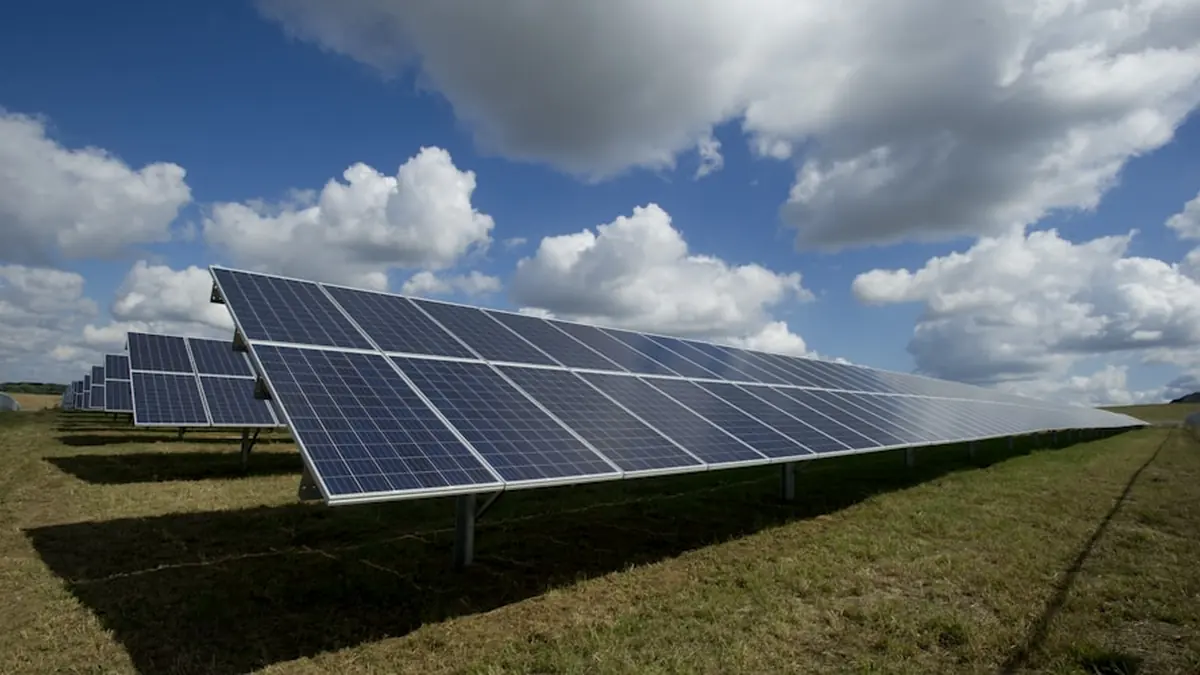

NSW Has No Solar Mandate for Warehouses — But Aldi’s $1B Approval Sets a Detailed Example
No statewide rule exists. Here’s what one major approval actually committed to.
If you’re planning a warehouse in Western Sydney, you should know why Aldi’s newest distribution centre is including rooftop solar, not because a state law requires it, but because the company’s own sustainability targets call for it at a facility this size. There’s no blanket NSW mandate forcing solar onto every new logistics hub. But the state’s most detailed recent approval shows what one major project committed to, and why.
The New South Wales Government approved Aldi’s roughly $1 billion automated distribution centre in the Western Sydney Aerotropolis on March 9, 2026, describing it as the first project of its kind approved there. The 87,000-square-metre facility will run 24 hours a day with about 80% of operations automated, and will include rooftop solar panels and energy-efficient design as part of a target to reach net-zero operations by 2035. The government said the project would generate around 3,700 jobs during construction and 585 ongoing roles once operational, supplying Aldi’s roughly 200-store network across the state. Aldi’s own sustainability targets commit the company to net-zero emissions across all sites it owns and controls by 2035, and this project applies that company-wide goal to a single, large facility.
What NSW Requires
No statewide planning mandate for rooftop solar on warehouses or logistics hubs. Specific planning conditions can vary by council and site.
What Aldi Committed To
Rooftop solar panels and energy-efficient design as part of a company-wide target to reach net-zero operations by 2035.
If you’re developing a comparable logistics facility in NSW, don’t assume rooftop solar is a legal requirement for your approval — no statewide mandate for warehouses or distribution centres currently exists. What you can plan around instead is that this is the most detailed public example currently available of what a major logistics approval in the Aerotropolis includes, both in sustainability commitments and in employment terms the government chose to publicize.
What’s actually required versus what one project committed to
No NSW planning instrument currently mandates rooftop solar for logistics or warehouse developments generally. What exists is project-specific: Aldi committed to solar and a 2035 net-zero target as part of its own environmental strategy, and the government’s approval highlighted that commitment as a feature of what made the project a “first” for the Aerotropolis. If you’re budgeting for a similar development, the NSW Government’s own statement about this project — more than 3,700 construction jobs and 585 ongoing roles — is the clearest public benchmark currently available for what a large-scale logistics approval in the Aerotropolis looks like.
Western Sydney Aerotropolis Location
Project Timeline
Karmactive has tracked similar patterns in commercial property, where corporate net-zero pledges are increasingly doing the work that regulation hasn’t caught up to yet, and NSW logistics is one example of that dynamic. For related context, see our articles on Sydney’s biosolar roof at Bradfield City and high-efficiency solar panels in Australia.
The government’s own announcement calls this the first automated distribution centre of its kind approved in the Aerotropolis, tying that description directly to the facility’s solar and net-zero commitments rather than to its automation or size alone. That framing shows how one large, high-profile project’s voluntary sustainability commitments became part of the official description of what made it a “first,” without establishing that other projects face the same expectation.
Is rooftop solar mandatory for new warehouses in NSW?
NSW has no blanket rooftop solar mandate for logistics hubs, but its most prominent recent approval — Aldi’s roughly $1 billion Western Sydney distribution centre — includes solar as part of a 2035 net-zero commitment, alongside more than 3,700 construction jobs and 585 ongoing roles. For developers, that project is currently the most detailed public example of what one major approval included, though not evidence of a wider regulatory requirement.
Primary source: NSW Government ministerial release, March 9, 2026