 Govind Tekale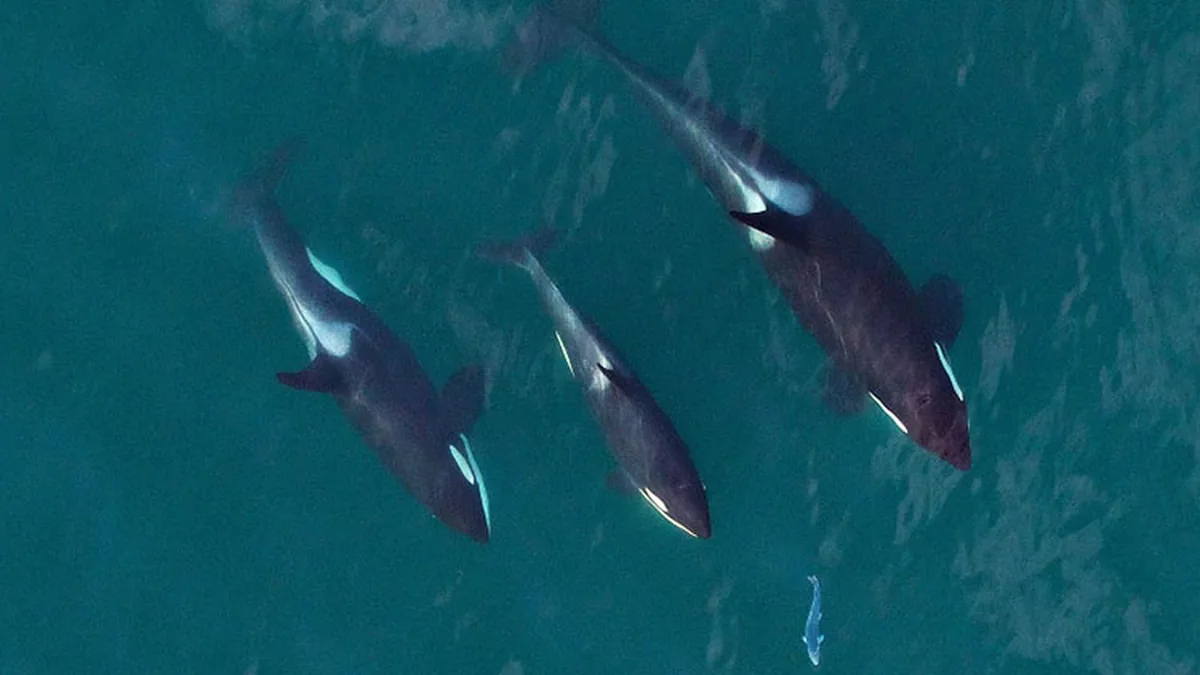
76 Southern Resident Orcas Remain as 2026 Vessel Rules Tighten Protection
Pacific Northwest boaters operating in southern British Columbia waters now face a mandatory approach distance of 1,000 metres from Southern Resident killer whales — more than twice the previous 400-metre requirement. The change took effect June 1, 2026, alongside new speed restrictions and vessel-restricted zones, as the population enters its second half of the year with a provisional 2026 count of 76 animals.
The 2026 provisional census of Southern Resident killer whales stands at 76 individuals, spread across three family groups: J, K, and L pods. The Center for Whale Research‘s July 2026 report described the count as provisional pending confirmation of one final encounter at the time of publication. Canada increased the mandatory approach distance for Southern Residents from 400 metres to 1,000 metres effective June 1, 2026, through interim protective measures running until May 31, 2027. Transport Canada and Fisheries and Oceans Canada announced the package jointly in April 2026. The Quiet Sound voluntary vessel slowdown program also entered its fifth season on September 4, covering designated vessel routes in Puget Sound.
Boaters, charter operators, and whale-watching tours running in the applicable southern British Columbia waters must now maintain a distance that the earlier 400-metre rule did not require. The 1,000-metre prohibition applies to vessels in the designated waters, subject to specified exceptions. Speed-restricted zones capped at 10 knots and vessel-restricted zones also apply in specific locations and periods. Operators who set their route planning before May 2026 need to check current zone boundaries against Fisheries and Oceans Canada’s Pacific Region maps before operating in affected waters.
What the 2026 Measures Actually Change
The population consists of three pods with distinct movement patterns. J Pod is the most regularly observed of the three Southern Resident pods in the Salish Sea, present throughout the year. K and L pods range more widely along the Pacific coast and return to the region seasonally. The three pods form a single population with strong social and genetic connections, genetically separate from offshore killer whale populations and Bigg’s killer whales.
The provisional 2026 count of 76 includes two calves noted in the period covered by the July report. The Center for Whale Research publishes its annual count based on July 1 encounters; the 2026 figure was described as provisional at the time of release, and final confirmation depends on subsequent encounter records.
Three primary threats appear consistently in Southern Resident killer whale research: Chinook salmon availability, vessel noise and disturbance, and contaminant accumulation. The 1,000-metre rule and speed restrictions address vessel disturbance directly. The prey question is tied to Pacific salmon population dynamics and is not resolved by vessel management alone.
Southern Residents remain listed as endangered under Canada’s Species at Risk Act and under the US Endangered Species Act. Canada’s 2026 interim measures do not alter that listing status. The Quiet Sound slowdown program is separate from Canada’s mandatory requirements; it covers Puget Sound waters and operates through voluntary participation by large commercial vessels operating in Puget Sound waters.
Canada’s 1,000-metre requirement runs through May 31, 2027. Fisheries and Oceans Canada’s Pacific Region page carries current zone maps and any updates to the interim measures. The Center for Whale Research publishes its annual census in the weeks after July 1 each year — check back for the finalized 2026 population number when it is confirmed.
———————————————————————————————–
———————————————————————————————–
## How to Log Into WordPress REST API — Step by Step
### What We Used: **Application Password Authentication**
—
### Step 1: Get the Credentials
From the Pipeline file (`Karmactive Pipeline.md`), the credentials are:
– **Username**: `Sunita Somvanshi`
– **Application Password**: `Tw8QKhc98KxU5L4O3Q0s0w6J` (remove spaces → `Tw8QKhc98KxU5L4O3Q0s0w6J`)
> Application Passwords are created in WordPress Admin → **Users → Profile → Application Passwords** section. They’re separate from the login password and designed for API access.
—
### Step 2: Test the Login (Verify It Works)
“`bash
curl -s -u “Sunita Somvanshi:Tw8QKhc98KxU5L4O3Q0s0w6J” \
“https://www.karmactive.com/wp-json/wp/v2/users/me?_fields=id,name”
“`
**Expected response**: `{“id”:57,”name”:”Sunita Somvanshi”}` ✅
—
### Step 3: Make Authenticated API Calls
**GET a post** (read):
“`bash
curl -s -u “Sunita Somvanshi:Tw8QKhc98KxU5L4O3Q0s0w6J” \
“https://www.karmactive.com/wp-json/wp/v2/posts/1779?_fields=id,title,author”
“`
**PATCH/UPDATE a post** (write):
“`bash
curl -s -X POST \
-u “Sunita Somvanshi:Tw8QKhc98KxU5L4O3Q0s0w6J” \
-H “Content-Type: application/json” \
-d ‘{“meta”:{“_yoast_wpseo_focuskw”:”your keyword here”}}’ \
“https://www.karmactive.com/wp-json/wp/v2/posts/1779”
“`
> Note: WordPress REST API uses `POST` for updates (not `PATCH`), even when editing existing posts.
—
### Step 4: Check the HTTP Response Code
– **200** = Success ✅
– **401** = Auth failed (wrong credentials)
– **403** = Forbidden (user doesn’t have permission)
– **404** = Post not found
—
### How It Works Under the Hood
“`
curl -u “username:app_password”
↓
WordPress sees Basic Auth header
↓
Checks Application Password table (not login password)
↓
Grants API access with that user’s role/capabilities
↓
Sunita = Editor role → can edit any post ✅
“`
—
### Why This Works Now (But Failed Before)
The previous sessions used:
– ❌ Regular WP login password → blocked by Cloudflare WAF
– ❌ Programmatic browser login → WAF blocks `POST /wp-login.php`
– ✅ **Application Password** → bypasses WAF, goes directly to REST API endpoint, which Cloudflare allows through
—