 Sonali Tiwary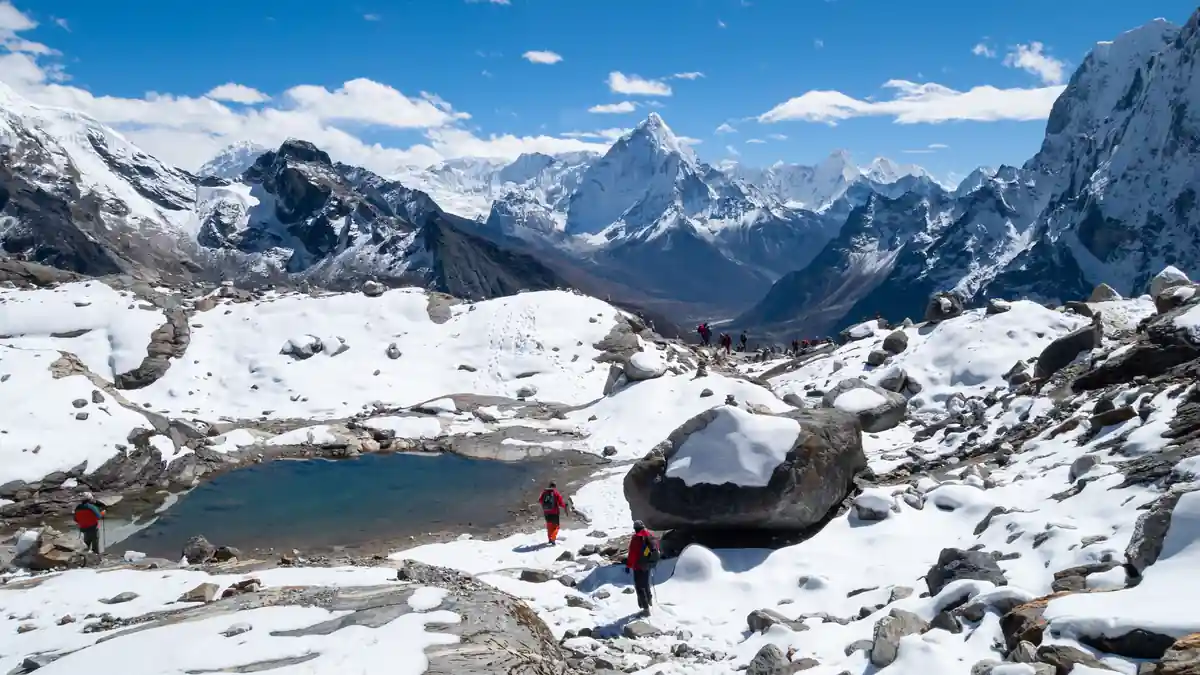
Nepal Avalanche at Himlung Himal Base Camp Kills 4, Dozen Missing
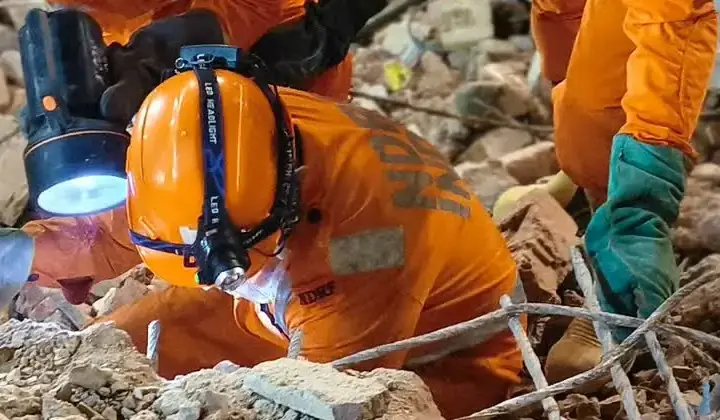
Sunday’s avalanche at Himlung Himal base camp in Manang district killed at least four people and left a dozen more missing. Severe snow and rain triggered the slide on September 27, 2026. A 14-member rescue team mobilized immediately to search the remote Himalayan terrain. The disaster struck an area popular with mountaineers and trekkers worldwide, including climbers from the United Arab Emirates set to arrive October 1.
The Nepal avalanche death toll and missing figures remain uncertain due to communication gaps in remote regions. Initial reports listed two deaths. That number has risen to four as rescue teams assess the disaster. Reports vary on the missing: some cite 10 people, others mention 12, and a few reference 16. The victims include mountain guides, kitchen staff, and support workers. The avalanche struck near a peak trafficked by mountaineers from the UAE and other nations. Weather conditions were severe, with heavy snow and rain battering the mountainside when the slide occurred.
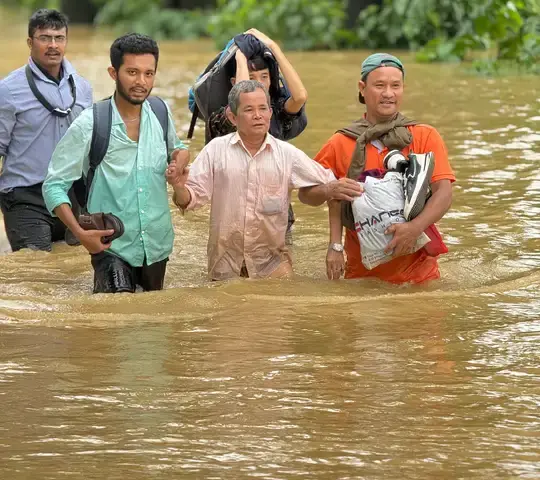
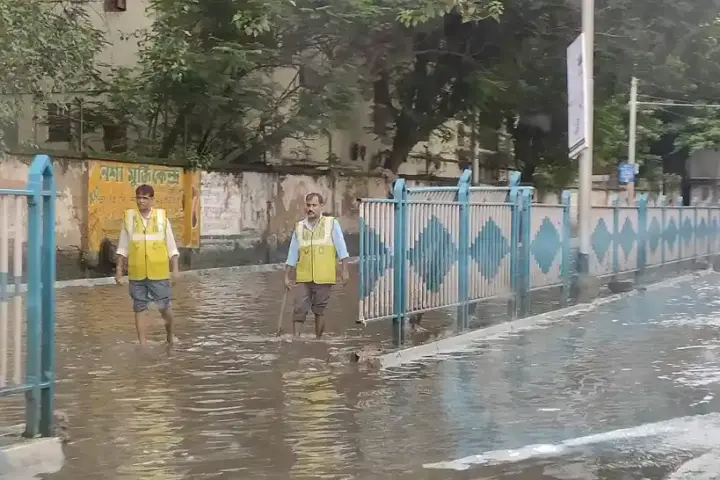
The disaster arrives as Nepal grapples with compounding natural hazards. Massive floods swept the country just weeks earlier, killing roughly 1,400 people and destroying infrastructure. Heavy rain and snow continue to trigger fresh floods and landslides across multiple districts. Hiking and climbing operations have become riskier. District authorities banned trekking in high-altitude areas. National conservation authorities suspended entry permits to Annapurna and Manaslu regions.
The inconsistency in reported figures stems from communication blackouts in remote base camps. Early reports count only confirmed deaths, while later updates include those presumed dead. Scientific American warned that Nepal’s deadly debris avalanches are a warning for the rest of the world. The country geography concentrates hazards that intensify as global temperatures climb. See our earlier report on Nepal monsoon flooding crisis and our analysis of Himalayan climate patterns.
The Himlung Himal incident reveals how quickly mountain conditions deteriorate in Nepal. A morning of clear skies can yield to afternoon storms within hours. September marks the tail of monsoon season, yet this avalanche shows that no season guarantees safety in these peaks.
The rescue operation continues in difficult conditions. Nepal disaster cycle shows no signs of slowing. Trekkers planning Himalayan expeditions must weigh risks carefully and stay informed about current conditions before departing. Communities affected by avalanches and floods need sustained support to rebuild.