 Sonali Tiwary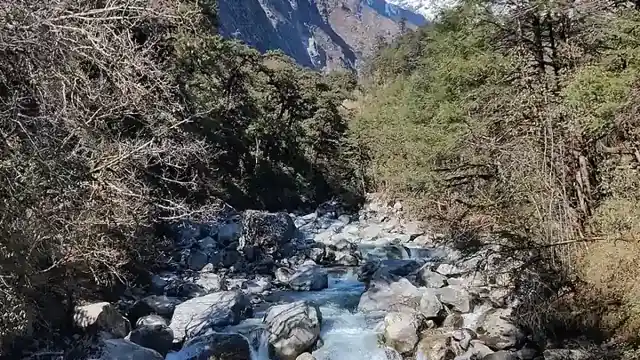
When monsoonal conditions triggered a glacial collapse on August 26, 2026, the results were catastrophic. A glacier disintegrated on Langtang Lirung in the Himalayas, initiating a chain reaction across the Bhotekoshi River valley. The collapse triggered a massive debris avalanche, which escalated into a high-velocity flash flood carrying boulders and ice tens of kilometers downstream.
When monsoon floods swept Nepal on August 26, they killed 1,367 people. Another 5,132 went missing. The immediate devastation is staggering. But Nepal's response to the disaster points to something deeper: a growing conflict about who should pay for climate disasters.
Nepal is demanding compensation from the international community through the UN Loss and Damage Fund. Earlier in 2026, Nepal received approval for $20 million in Loss and Damage Fund financing based on proposals submitted earlier in the year. A separate request linked to the August 26 disaster was still awaiting a decision as of early September. The distinction matters. Emergency appeals cover food, shelter, and medicine for the next weeks. Loss and damage compensation addresses long-term recovery, infrastructure repair, and non-economic loss.
Nepal's case is straightforward in its unfairness. The country produces very low levels of global greenhouse gas emissions. Yet it faces constant catastrophic climate impacts. Himalayan glaciers feeding its rivers are melting. The August floods showed this vulnerability starkly. The disaster recovery bill is estimated at between $4-5 billion based on preliminary assessments from Nepal's Finance Ministry—an enormous sum for a country where annual GDP is roughly $40 billion.
Nepal's argument is that this isn't just a natural disaster. It's a foreseeable consequence of a changing climate, driven by emissions from wealthy industrialized countries. Should a country that contributed almost nothing to climate change bear the full cost of climate impacts it did nothing to cause?
The Loss and Damage Fund was agreed in 2022 and operationalised under the UN climate process in 2023 with the purpose of assisting developing countries that are particularly vulnerable to the adverse effects of climate change.
Nepal's request will test whether the international climate finance system actually works when put to practical use. If approved, it signals that wealthy nations accept some responsibility for climate impacts elsewhere. If rejected, it signals the opposite: that loss and damage will remain the problem of the vulnerable, not the responsibility of those whose emissions caused it.
The practical stakes are enormous. Hundreds of thousands in Nepal face housing shortages and economic disruption. Hydropower installations that provided electricity and income were destroyed. Agricultural land was inundated. These losses are real and immediate. How the international community responds to Nepal's request says something about whether climate justice exists or remains just rhetoric.