Rahul Somvanshi
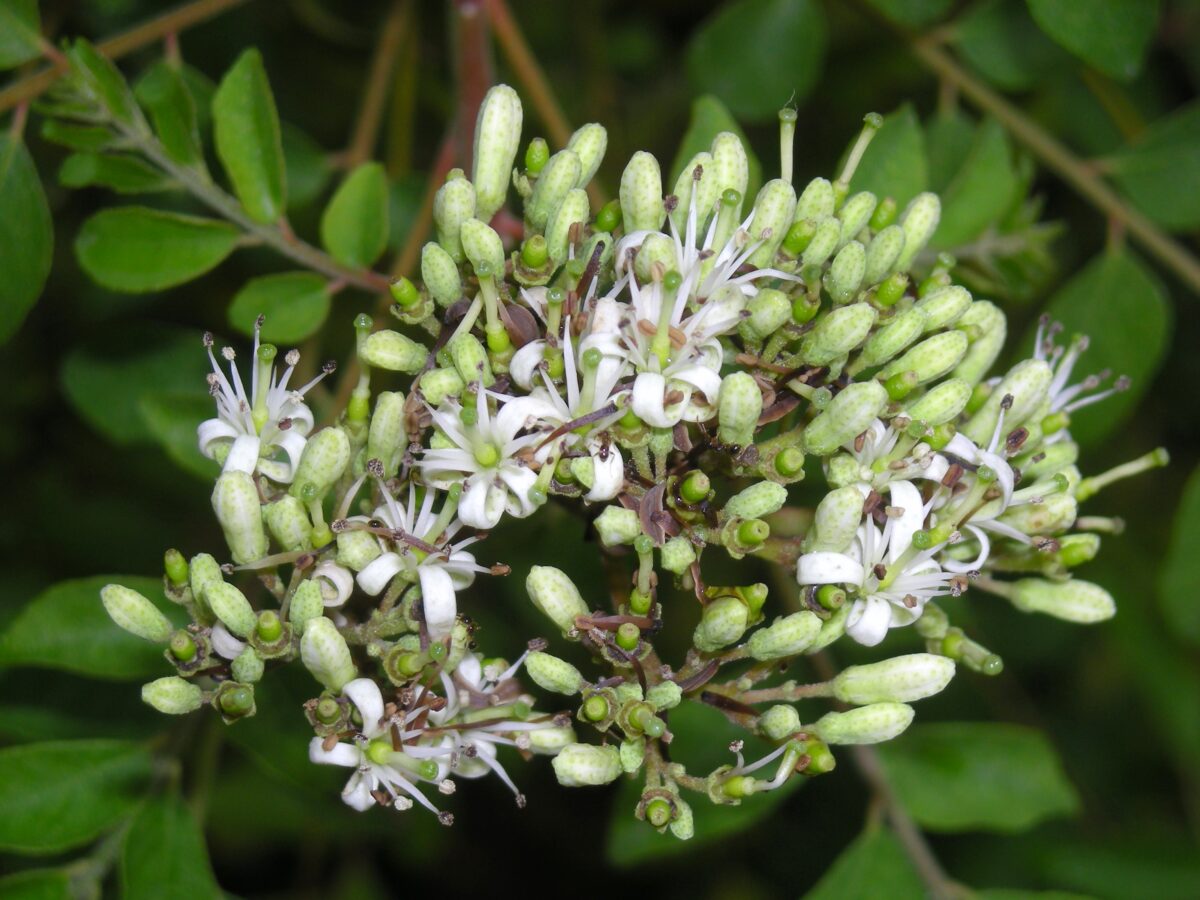
What One GBIF Record Actually Reports About the Curry-Leaf Plant
A single response from the Global Biodiversity Information Facility’s (GBIF) species-match API reports the following fields for a query on Murraya koenigii: a matched, accepted scientific name of Murraya koenigii (L.) Spreng., a genus of Murraya, a family of Rutaceae, and an order of Sapindales. That is the full set of affirmative facts this explainer draws on.
The Reported Name and Classification Fields
The plant commonly called curry leaf corresponds, in this response, to the accepted name Murraya koenigii (L.) Spreng. The same response reports this name as classified within genus Murraya, family Rutaceae, and order Sapindales. These four fields — name, genus, family, order — are what the cited query result contains.
The record can be checked directly here: https://api.gbif.org/v1/species/match?name=Murraya%20koenigii
What This Specific Response Does Not Report
The response contains the fields above and no others. It does not contain, and therefore does not support, any of the following:
- Geographic distribution — the response includes no field stating where this species grows.
- The age, history, or provenance of any individual tree — the response is a name-and-classification match, not a record about a specific plant.
- Cultural, ceremonial, or sacred significance — no such field appears in the response.
- Root structure, transplanting behavior, or growth habit — the response contains no morphological or horticultural data.
- Edibility or safety of the plant’s leaves, berries, or any other part — the response makes no statement about consumption.
- Use by birds, insects, or other wildlife — no ecological-interaction field is present.
- Nutritional or medicinal properties — the response contains no health-related data of any kind.
- Anything about other species placed in the same genus, family, or order beyond the bare classification strings returned for this one query — the response does not characterize what those groupings imply biologically.
These omissions are not evidence that the corresponding claims are false. They mean only that this particular response neither asserts nor denies them — a claim in any of these categories would need a separate, independent source before it could be stated as fact.
A Contrast Worth Keeping Explicit
It is also worth distinguishing the response’s contents from claims sometimes attached to it in casual retelling. The response itself reports a name and three classification ranks. It does not report, for instance, that this is the “correct” or “true” name as opposed to some other label people use, nor does it report anything about how or when that name came to be assigned. The response is limited to the match and the rank strings it returns for this single query, at the time it was run.
The Takeaway
For the single query result cited above, the supportable facts are: a matched accepted name of Murraya koenigii (L.) Spreng., in genus Murraya, family Rutaceae, order Sapindales. Any claim about origin, age, culture, safety, ecology, or health belongs outside what this response establishes and would require its own, separately verified source.