 Govind Tekale
The Cabinet Office launched the Be Ready campaign on October 22, 2026, asking households to prepare a three-day emergency kit. Most households have heard of the basics: water, torch, non-perishable food. What Be Ready specifically adds, and what most households won’t have written down, is a list of key phone numbers and medication names and doses on paper—the item that matters when a power cut takes out mobile networks and you can’t access digital contacts or prescription records.
The government published the Be Ready guidance on October 22, 2026, the first stage of a three-year campaign to help households cope with disruption from storms, power cuts, and outages. The campaign’s core message is preparing for three days—the same benchmark France, Ireland, and the Netherlands use in their equivalent public preparedness guidance.
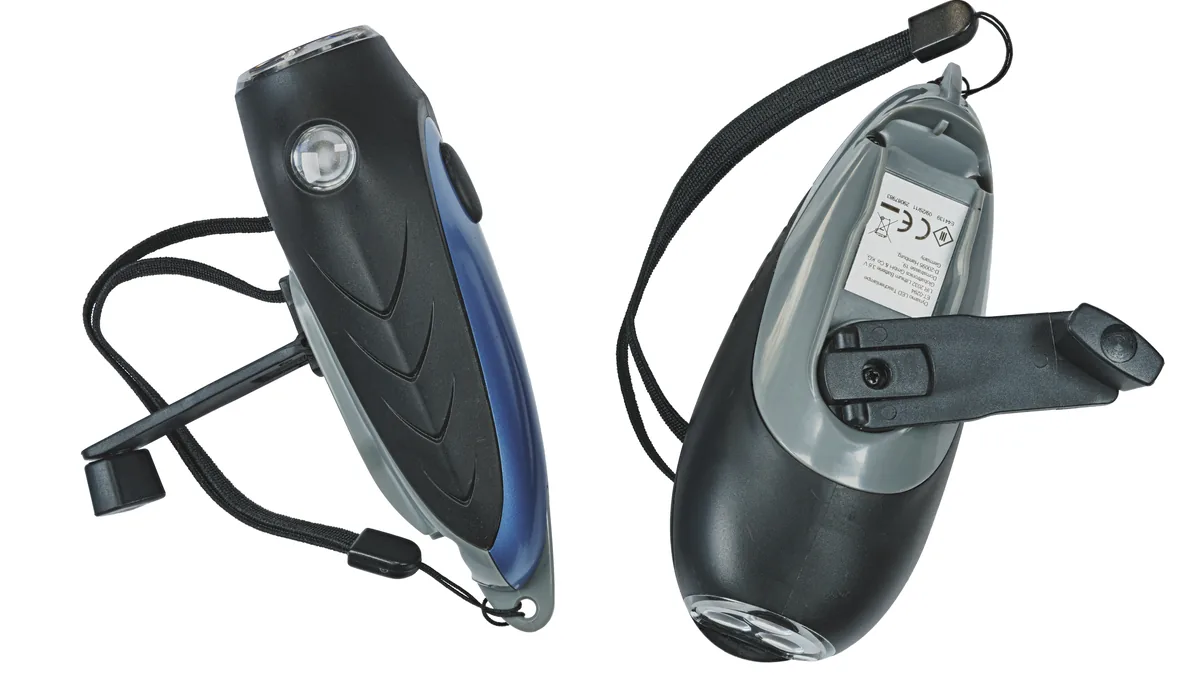
The Be Ready checklist covers water (3 litres per person per day), non-perishable food that needs no fridge or cooking, a torch with spare batteries, a battery or wind-up radio, a charged power bank, cash in coins and notes, and copies of important documents. It specifically includes a written list of key phone numbers and medication names and doses, and a first aid kit. Blankets, warm clothing, and supplies for babies and pets are also listed.
A 72-hour power cut does not just turn off the lights—it can disrupt mobile networks and take down card payment terminals. Cash becomes relevant when card terminals are offline. The written medication list addresses a specific gap: if your phone is out of battery or without signal, a written record of which medications you or a household member takes, at what dose and frequency, means you can communicate that information to emergency services or a pharmacist without relying on an app or online account. Printed copies of important documents—ID, prescription details, insurance information—serve the same purpose.
The complete Be Ready checklist
The Be Ready campaign was published at GOV.UK on October 22, 2026. The government’s own announcement says the advice replaces the older Prepare website. For context on stocking up sensibly for a multi-day disruption, Karmactive’s guide to emergency food stockpiling covers how households can plan non-perishable supplies ahead of storm season.
Water: 3 litres per person per day for drinking. Additional water is needed for cooking and washing. For a household of four, that is 36 litres across three days—roughly six standard six-litre packs.
Food: Non-perishable items that need no refrigeration or cooking—tinned goods, dried food, crackers, nuts. The checklist specifies food that can be eaten without heating.
Power: A torch with spare batteries. A battery or wind-up FM radio for emergency broadcasts. A fully charged power bank for phones.
Documents and cash: Printed copies of important documents—ID, prescriptions, insurance. A written list of key phone numbers and medication names and doses. Cash in coins and notes, which work at shops and petrol stations when card terminals are offline.
Health and safety: A first aid kit with enough supplies for three days. Any regular medication. The written medication list (covered above) sits within this category.
Warmth and supplies: Blankets and warm clothing in case heating fails. Supplies for babies and pets if applicable, echoing the household-by-household approach in Karmactive’s Ready Together emergency toolkit coverage from Somerset’s flood preparedness work.
The campaign’s official guidance, including the full itemised checklist, is available on the Be Ready site.
The written medication list is the most overlooked item in the checklist precisely because prescriptions are now managed digitally. Most people haven’t written down what they take, at what dose, for how long. In a prolonged outage when phones are dead and GP surgeries are overwhelmed, that written record is the one that gets to the hospital with you.
The Cabinet Office’s Be Ready guidance sits alongside the wider UK Government Resilience Action Plan implementation report. Following two named storms in one week and ahead of the UK winter weather season, the campaign frames household preparedness as a year-round baseline rather than a response to any single event.