Rahul Somvanshi
Norway’s Repparfjord Mine Dispute Reaches Court as Tailings Permit Stays Central
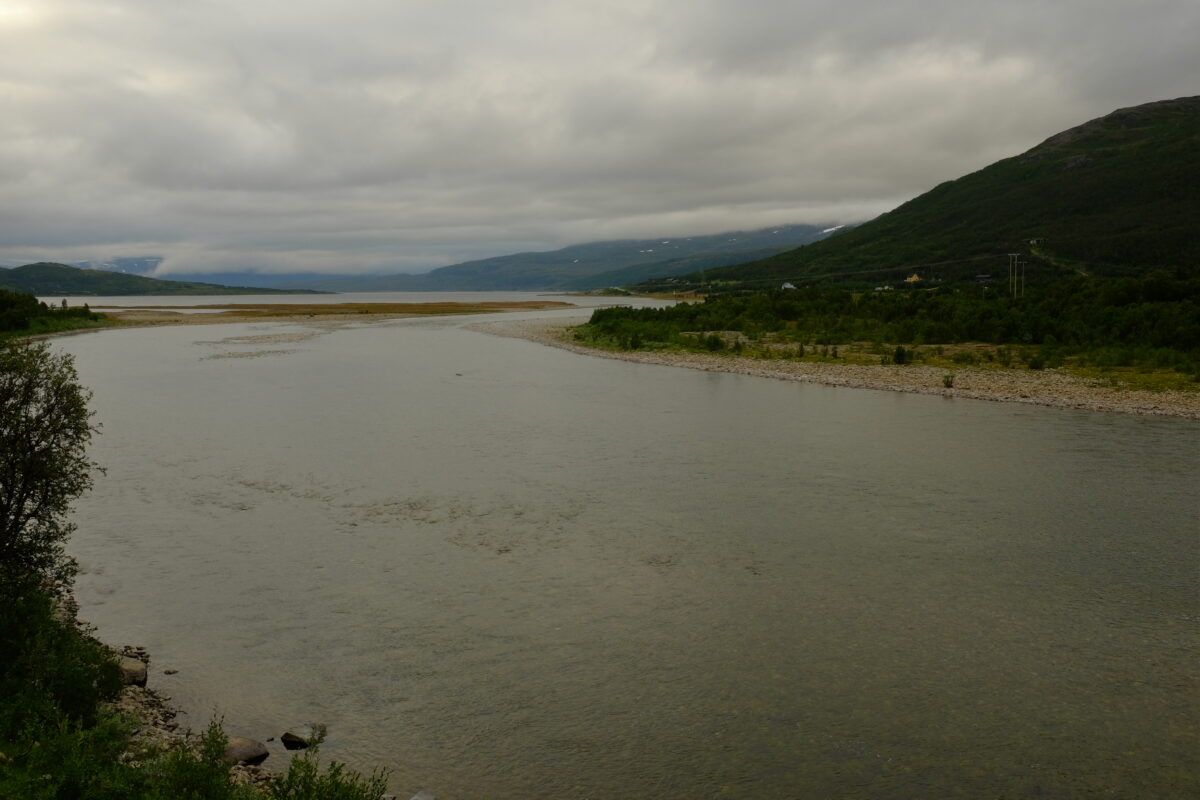
A dispute over the proposed Nussir copper mine in Repparfjorden, in Norway’s Finnmark region, is set to move into court. Twenty-seven demonstrators were reported as due to appear before the Vestre Finnmark District Court after declining fines of roughly NOK 13,000 each, according to an Altaposten report carried by PressReader on October 20, 2026. The fines were linked to an action connected to the mine dispute in 2025. The court matter has renewed attention on the pollution permit that allows tailings deposition in the fjord.
The permit at the centre of the dispute
The Norwegian Environment Agency (Miljødirektoratet) records a Pollution Control Act permit covering Nussir’s copper-ore extraction and processing, as well as tailings deposition in Repparfjorden. Agency material says the permit was last updated on November 30, 2021. A condition of the permit required an approved waste-management plan before the deposit could be used. The agency’s hearing material says Nussir submitted a waste-management plan on October 2, 2025.
The permit and the waste plan are distinct records. The agency issued a public hearing notice concerning the submitted plan; the notice documents that process without establishing a current decision or operational status for deposition.
Nussir’s account of the deposit
Nussir describes its proposed handling of mine waste as a controlled, bounded marine deposit for low-metal, non-valuable rock from copper processing. The company presents that approach as the least harmful option for the project as designed. That is the company’s position, not an independent finding on the effects of any future deposit.
The distinction matters. A company description of design and containment does not resolve the environmental questions raised by opponents, and neither it nor the permit record alone establishes the actual environmental effects of waste placement in the fjord.
Opposition to the permit
Opponents are seeking withdrawal of Nussir’s permission, citing concerns about marine life and coastal Sámi communities, according to ArcticToday. Their position is that the permit should not have been granted. Nussir, by contrast, describes its proposed deposit as an engineered and bounded solution.
Those are competing positions rather than settled findings. The available sources support reporting the disagreement over the permit, but do not establish that environmental harm has occurred or that it will occur.
The court matter
The reported court appearance is narrower than the permit dispute. Altaposten, via PressReader, reported that 27 demonstrators were due to appear after declining fines of around NOK 13,000 in connection with action linked to the mine dispute. The report is the basis for the number, fine amount and expected appearance; it does not establish a broader legal outcome.
The hearing notice and the reported court matter show how a mining project can be contested through several channels: administrative records concerning a pollution permit and waste plan, and legal proceedings arising from protest action. They should not be conflated.
What the evidence supports
The evidence supports a limited but important account: Nussir has a pollution permit whose published record includes marine tailings deposition; the permit was updated in 2021; the agency says a waste-management plan was submitted in October 2025; and opponents challenge the permission on marine-life and coastal Sámi grounds. It also supports attributed reporting that 27 protesters faced a court appearance after declining fines.
It does not support claims that tailings deposition has begun, that harm has been proven, or that the waste-plan process has reached a particular current outcome. Those limits are central to reporting the Repparfjorden dispute accurately.