Meta and Oklo Plan 1.2 GW Ohio Nuclear Campus as AI Power Demand Reshapes Big Tech Energy Deals
Meta is prepaying for power from a 1.2-gigawatt nuclear campus that doesn’t exist yet. The agreement with Oklo signals that intermittent renewables can’t meet AI’s round-the-clock demand.
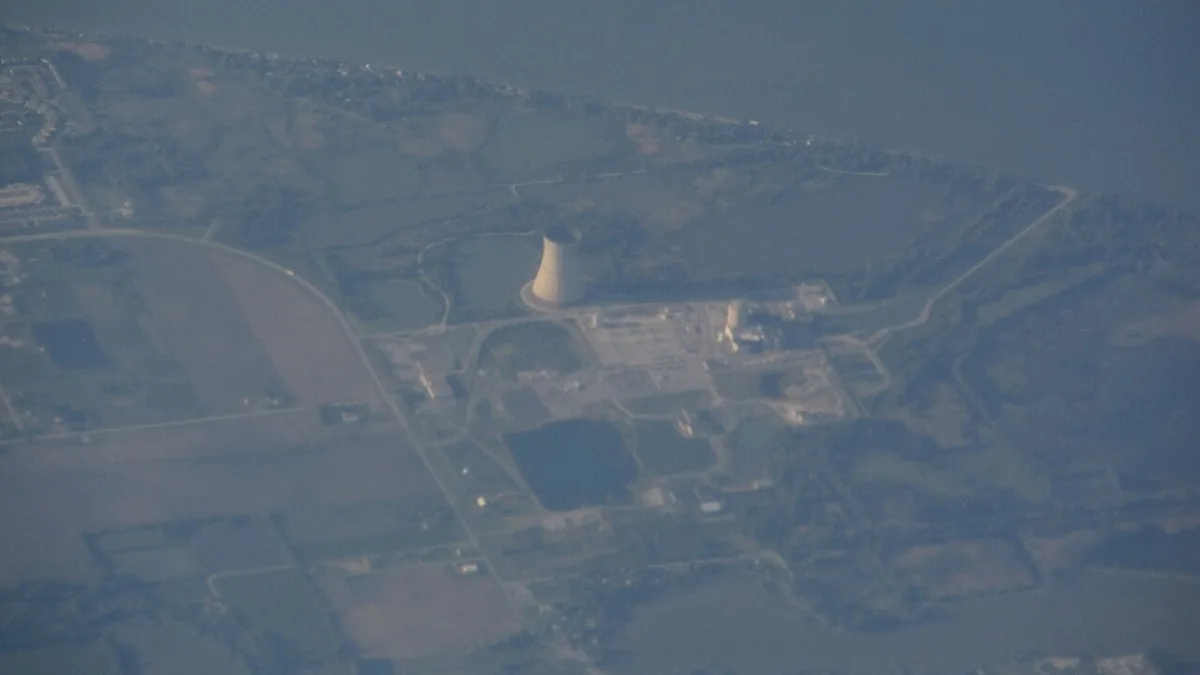
If you invest in solar or wind projects hoping to land a major tech contract, the ground under that bet has shifted. Meta Platforms is now funding a 1.2-gigawatt nuclear power campus specifically because intermittent renewable power can’t meet what AI data centers actually need.
Meta and nuclear technology company Oklo announced their agreement in January 2026 to develop a nuclear power campus in Pike County, Ohio, scalable up to 1.2 gigawatts. Oklo says pre-construction and site characterization work is slated to begin in 2026, with the first phase targeted to come online as early as 2030, and the full 1.2-gigawatt capacity reached by 2034.
The project uses Oklo’s compact Aurora reactor design rather than traditional large-scale plants, and Meta is providing upfront funding to help move the project forward faster than Oklo could on its own. For related context on how AI workloads are reshaping energy demand, see Karmactive’s coverage of data center energy demand.
The agreement’s structure distinguishes it from traditional power purchase agreements
Under a standard PPA, a buyer commits to purchase power from an existing or under-construction facility. Meta’s arrangement with Oklo commits funding before construction begins, providing capital that Oklo can use to advance site characterization and preliminary engineering. This reduces the development risk that typically slows advanced nuclear projects.
The US Nuclear Regulatory Commission licensing framework for advanced reactors remains a key variable. The first phase is targeted for 2030, with full capacity reached by 2034. For energy investors, the deal provides a template for how large technology loads can be served without waiting for utility-scale generation and transmission projects to clear regulatory and interconnection processes.
For related Karmactive coverage on how technology companies are reshaping energy procurement, see our analysis of AI grid costs and ratepayer exposure.
Baseload vs Intermittent Power for AI Data Centers
Capacity factor measures how consistently a power source delivers its rated capacity. AI data centers require continuous power 24 hours a day, seven days a week.
Source: US Energy Information Administration, Oklo corporate filings. Capacity factors are indicative averages.
The prepayment mechanism allows Oklo to build generation capacity specifically dedicated to Meta’s load
AI data centers require continuous power 24 hours a day, seven days a week. Nuclear and natural gas operate as baseload sources with capacity factors above 85%. Solar and wind with storage deliver lower effective capacity factors because storage capacity is finite and generation depends on weather conditions.
Meta’s decision to fund nuclear capacity directly reflects the need for a power source that doesn’t vary with sunlight or wind speed. The prepayment mechanism allows Oklo to build generation capacity specifically dedicated to Meta’s data center load, bypassing the queue for grid interconnection. The project aligns with Oklo’s broader advanced reactor licensing pathway and the company’s collaboration with Idaho National Laboratory.
Meta-Oklo Nuclear Campus: Development Timeline
The project moves from agreement through pre-construction and phased power delivery across two decades.
The 2030 timeline places the project among the earliest commercial deployments of advanced nuclear technology
Oklo’s Aurora design uses liquid metal cooling and compact modular construction, distinguishing it from conventional light-water reactors. The incremental expansion model — starting with a first phase and scaling to 1.2 GW by 2034 — allows capacity to be added as Meta’s data center load grows.
For developers considering nuclear-adjacent projects, the key variables are reactor siting, transmission access, and the availability of skilled construction labor in the region. Ohio’s location within the PJM interconnection and its strong transmission network position it as a strategic hub. For more on how data center demand is reshaping grid planning, see Karmactive’s coverage of data center energy demand and grid costs.
Meta-Oklo Nuclear Agreement: Questions Answered
Where is tech energy capital going next?
Nuclear zoning, transmission access, and reactor site partnerships are now part of the data center site selection calculus.
Read Our Data Center Energy Guide