 Rahul Somvanshi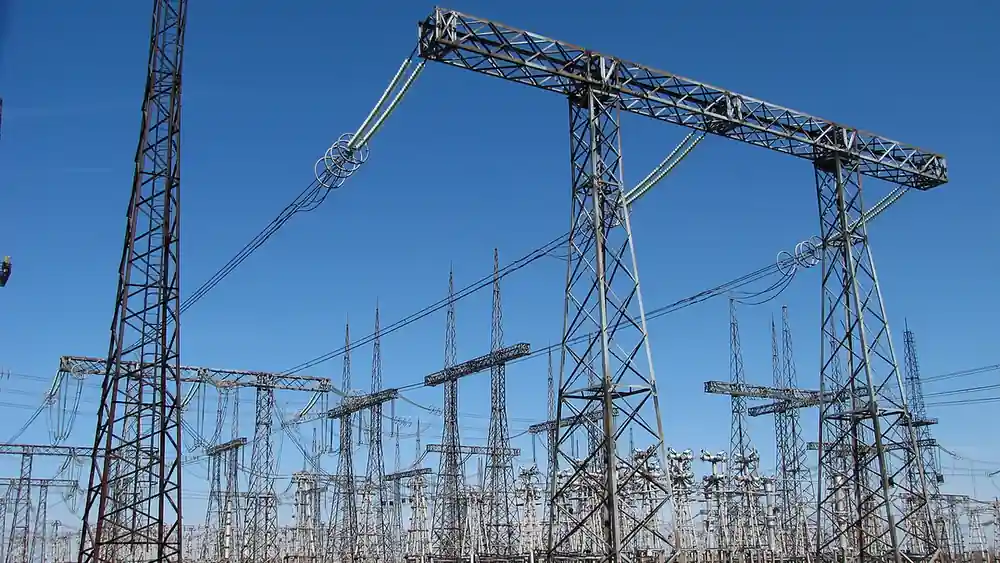
Your electricity bill is already going up. Data centers are a documented part of why. And last week, Congress had the chance to do something about it — and did not. Here is what happened in the Senate, what both bills actually proposed, and why the outcome matters to anyone paying a monthly utility bill in the United States.
The House of Representatives passed the Ratepayer Protection Act on Wednesday by a vote of 417 to 3. The bill required states to consider rules that would force data centers and large electricity users to pay for the grid upgrades they require. It did not require states to adopt those rules. On Thursday, Sen. Martin Heinrich of New Mexico asked for unanimous consent to pass it in the Senate. Sen. Jon Husted of Ohio had sponsored the Senate version and supported the move. Heinrich objected to his own request — because he wanted a stronger bill instead. He offered his GRID Savings Act as an alternative. Sen. Bernie Moreno of Ohio then blocked Heinrich’s bill. Both bills are now dead. The Senate leaves for a recess in two weeks. No data center electricity legislation will pass before the November midterms.
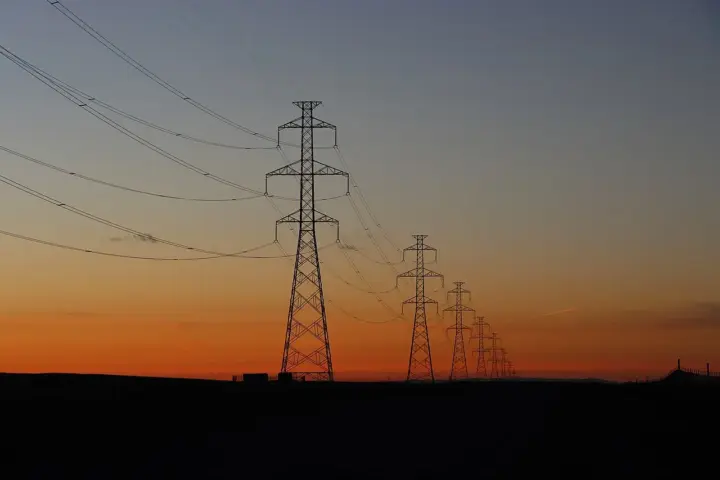
Without statutory cost-allocation rules, regional public utility commissions estimate average residential electric bills could rise by $15 to $35 per month over the next five years. This money funds high-voltage transmission lines serving commercial data campuses. Heinrich’s legislative push seeks to assign those capital costs directly to tech companies before regional utilities finalize their five-year capital expenditure filings. Without that requirement, homeowners pay higher base rates for infrastructure they never requested.
Why Hyperscalers Strain Regional Electrical Transmission
Large-scale data centers — the kind used by cloud computing companies — require between 100 megawatts and more than 1 gigawatt of continuous base-load power. To meet that demand, regional utilities are delaying the retirement of older coal-fired power plants and adding natural gas peaker turbines. Both slow state and national carbon reduction timelines.
The Federal Reserve Bank of Dallas tracked the effect on residential bills. Data centers have already pushed national electricity prices up 2 to 6 percent. By 2028, that figure is projected to reach 20 to 30 percent. Families in PJM territory — covering Pennsylvania, Ohio, Virginia, New Jersey, Maryland, Delaware, and Washington D.C. — face an estimated $840 per year in additional utility costs within two years. [LINK: How AI data center water consumption affects local communities]
The Federal Energy Regulatory Commission launched targeted action in 2026 to speed large-load integration and examine how grid operators handle major new electricity users. That regulatory process continues regardless of congressional action. [LINK: Clean grid transmission planning and battery storage explained]
Heinrich's GRID Savings Act vs. The House Approach
The House Ratepayer Protection Act does not require anything from data centers. It asks states to consider whether to impose cost-responsibility rules. States that choose not to act face no federal consequence.
Heinrich’s GRID Savings Act takes a different approach. It sets a threshold of 150 megawatts — the load size above which a facility would be required to pay for its own grid interconnection upgrades. It empowers FERC to impose mandatory cost-allocation rules. And it bans regional grid operators from rolling those upgrade costs into general residential rate bases.
There is one significant gap in Heinrich’s bill: it exempts ERCOT, the Texas grid operator. Texas is one of the largest data center markets in the country. Under Heinrich’s proposed framework, the 27 million Texans served by ERCOT would have remained outside the mandatory cost-responsibility protections.
Sen. Heinrich stated the problem plainly: “If hyperscalers and other big tech companies need expensive new facilities and more energy, they should pay for it — not our hardworking families.” He also tied the issue to broader infrastructure concerns, saying the country needs to “conserve local resources, especially water” and “protect communities from air pollution by using clean energy and battery storage.”
The House passed the Ratepayer Protection Act 417 to 3. That is one of the most bipartisan votes of the year. It died the next day in the Senate — not because Republicans and Democrats disagreed on the goal, but because one senator wanted a stronger bill and another blocked that stronger bill. Both bills failed in the same week that saw one of the most unified House votes on any consumer protection measure in 2026.
Your electricity bill will keep reflecting data center construction costs. The House bill would not have stopped that — it only asked states to think about it. The stronger bill would have forced payments from large users but exempted Texas and died before a vote. The Senate Energy and Natural Resources Committee has a markup hearing scheduled before year-end. FERC’s regulatory process through the show-cause orders continues on its own timeline. Check back as either proceeding advances.
FAQ
Why do AI data centers increase residential electricity bills? When large data centers connect to regional power grids, utilities build expensive high-voltage substations and transmission lines to support them. In most states, regulators allow utilities to spread those construction costs across the general rate base. Every residential customer pays higher monthly rates to cover infrastructure built primarily to serve commercial server campuses.
What is the GRID Savings Act? The GRID Savings Act is legislation introduced by Sen. Martin Heinrich of New Mexico. It would require the Federal Energy Regulatory Commission to mandate that large electricity users — those connecting at 150 megawatts or more — pay directly for the grid upgrades required to connect them, rather than having those costs spread to residential ratepayers.
Why did the Senate block the data center electricity bill? Sen. Martin Heinrich objected to the House-passed Ratepayer Protection Act because its protections were voluntary — it only required states to consider rules, not adopt them. He offered his GRID Savings Act as a stronger alternative. Sen. Bernie Moreno of Ohio then blocked Heinrich’s bill. Both died before a vote.