 Sunita Somvanshi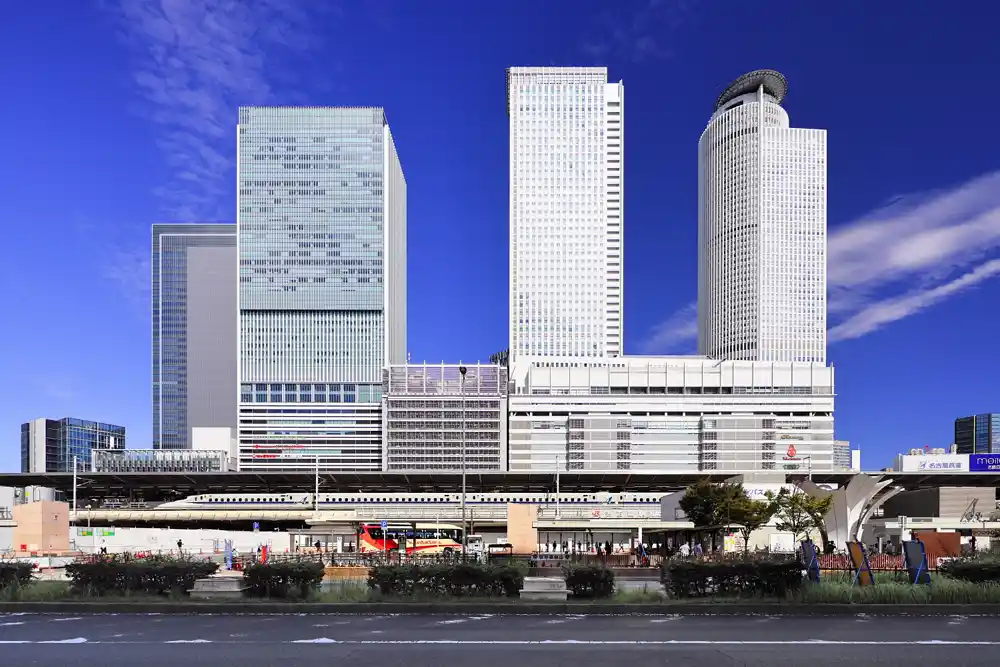
The Asian Games 2026 begin on September 19 and run through October 4 in Aichi-Nagoya, Japan. For spectators, the most important sustainability decision is not made inside a stadium. It is made while planning the route to venues, the number of events to attend, and the way to move between them.
A practical Asian Games 2026 travel guide should start with one rule: plan the day around official transport information before leaving the hotel. The [official transport page](https://www.aichi-nagoya2026.org/en/transport-information/) encourages visitors to use [public](https://www.karmactive.com/?s=public+transport) transportation and refers to shuttles, accessible shuttle services, park-and-bus-ride options, and venue access planning. Spectators should treat that as the default, not as a backup.
The lowest-stress plan is to group events by area and time. A visitor who books events scattered across distant venues may spend more time moving than watching sport. Choose a realistic schedule, leave buffer time between events, and avoid private-car trips near venue areas unless official guidance says that is the appropriate route for that venue.
Public transport also supports [accessibility](https://www.karmactive.com/?s=accessibility). Disabled spectators, older visitors, and families with children should check venue-specific transport options before buying or finalising tickets. If an accessible shuttle, universal-design taxi service, or park-and-bus-ride route is listed for a venue, build the day around that. Do not leave those details for the morning of the event.
Low-waste spectator planning is simple but easy to forget. Carry only permitted essentials. Use a small bag, a reusable bottle only if the rules allow it, weather protection, any medicine, and a charged phone. Avoid buying items at the venue that will be thrown away after one session. If food packaging is unavoidable, use the waste bins provided and keep the seating area clear.
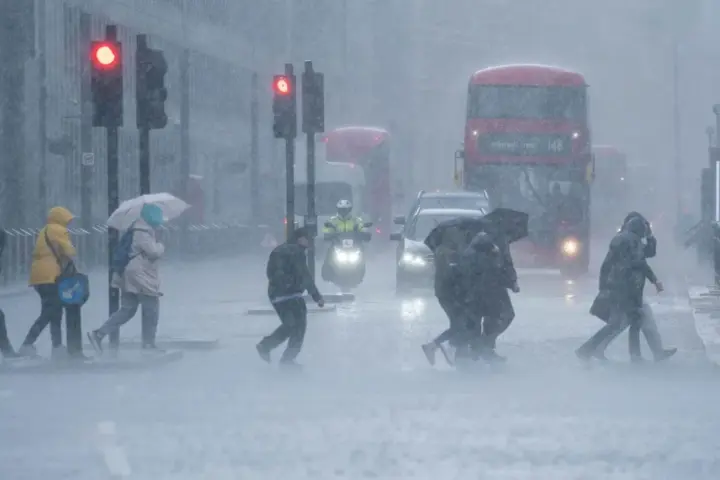
Weather preparation matters in late September and early October. Spectators may face warm afternoons, rain, long walks between stations and venues, and queues before entry. Comfortable shoes, sun protection, a light rain layer, and enough time to move slowly can prevent heat stress, falls, and missed starts.
This kind of planning lowers more than emissions. It reduces congestion around venues, keeps official routes working for people who need them most, and makes the Games easier for visitors unfamiliar with Aichi-Nagoya. A smoother spectator day starts before the first match: check the official route, choose public transport first, pack light, arrive early, and leave the venue as clean as you found it.
—