 Govind Tekale
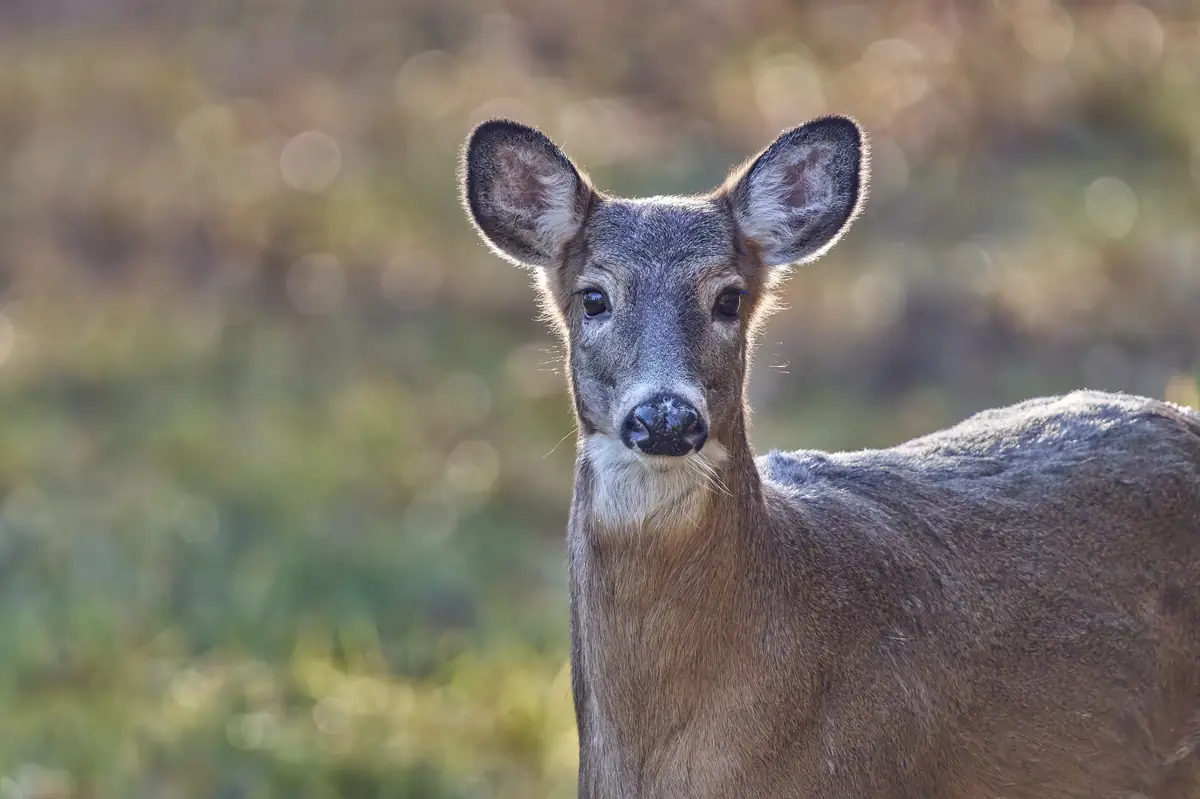
If you are heading into the Minnesota deer woods this November, the early numbers are promising. The state’s top deer manager says the harvest could surpass 200,000 animals for the first time since 2010 — and early tracking puts the season ahead of last year’s pace.
Paul Burr is deer coordinator for the Minnesota Department of Natural Resources (DNR). He says this year’s Minnesota deer hunt 2026 harvest is on track for a milestone. “I’m being optimistic,” Burr said. “I think we’re going to reach that and surpass it.” Early data from MEA weekend showed totals running 19 percent ahead of last year’s pace. MEA weekend covers statewide youth hunts and selected antlerless gun hunts held before the main season. By the end of 2025, Minnesota hunters had registered 186,368 deer. Surpassing 200,000 this year would be the first time it has happened since 2010. The main firearms season opens November 7–8. Weather on opening weekend is one of the biggest variables in the final count.
The 200,000 figure has a specific management meaning. The Minnesota DNR adopted it as an official benchmark in 2018. Reaching it signals that the deer population has climbed back near the level managers consider optimal — enough animals to support strong hunting, without the problems that come when numbers grow too high.
What 200,000 Means for Deer and Hunters
Minnesota’s deer herd was larger through the early 2000s. From 2000 to 2010, all but one year produced harvests above 200,000. The peak came in 2003, when hunters registered 290,525 deer. After that high point, managers worked to reduce the population. By 2014 the annual harvest had fallen to 139,442. That drop reflected both fewer deer in the field and a deliberate management reduction. deer population management and wildlife policy
The DNR’s 200,000 target balances two pressures. Too few deer limits hunting opportunity and carries an economic cost in a state where hunting is a major cultural and commercial activity. Too many deer leads to crop damage, increased vehicle collisions, and a higher risk of disease spreading through herds. The 200,000 level sits near the range where managers believe those pressures are in balance. the Minnesota deer-hunting season guide
MEA weekend data gives an early signal on how the season is trending. The 19 percent gain over last year’s early count is a positive indicator, but it does not guarantee a final total above 200,000. Weather during the main opener has a strong influence on final harvest numbers. Warm conditions keep deer under cover and reduce how much time hunters can spend in the field productively. Cold, overcast weather pushes deer into the open and tends to raise success rates across the state.
The main firearms season runs November 7–8 for the opener weekend. Archery, muzzleloader, and other specialty seasons run on separate dates set by the DNR each year. Minnesota hunters must register harvested deer through the DNR’s online system. That is how the running tally is built throughout the season. hunting-season dates and regulations by state
Why does the DNR want 200,000 deer harvested? The Minnesota DNR adopted the 200,000 harvest target in 2018 as a population signal. When the harvest reaches that level, it indicates deer numbers are near the managers’ desired range — strong enough for hunting opportunity while staying below the threshold where ecological and safety problems become serious. The harvest total does not directly set herd size. It measures whether the population is responding to management goals across the landscape.
Minnesota hunters are coming off a year when the total fell short of 200,000. A strong early pace and the DNR coordinator’s direct optimism suggest 2026 could break that streak. The opening weekend forecast for November 7 will be closely watched by hunters heading into the field. Minnesota outdoor and hunting news