Rahul Somvanshi
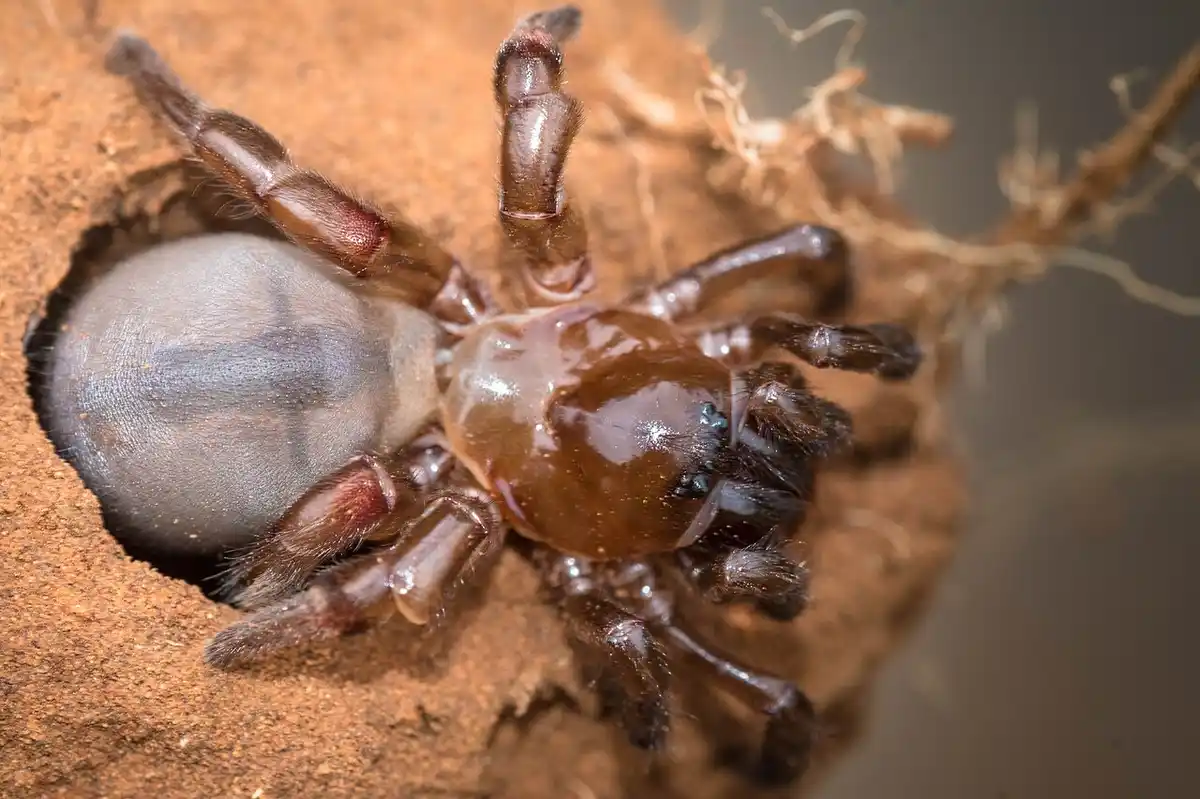
New Mauritian Tidal Trapdoor Spider (*Idioctis marevallum*) Lives in Coral Burrows Submerged at High Tide
How does a land spider survive the sea? A newly described species from Mauritius lives in burrows that are fully submerged at high tide. It closes its burrow with a trapdoor, and its home is completely submerged at high tide. Its first known record came in 2023 during conservation work on Ilot Vacoas.
The Mauritian tidal trapdoor spider, *Idioctis marevallum*, was formally described in the journal *Arachnology*. It was first found in 2023 on Ilot Vacoas, a one-hectare islet off south-east Mauritius, during conservation work by the Jersey-based Durrell Wildlife Conservation Trust. It was later confirmed on Ile aux Fouquets. The spider lives in tubes in coralline bedrock, where its home is submerged at high tide or repeatedly hit by waves. The paper also reports 14 spider species new to Mauritius, a 27.45% increase in known spider diversity there.
The find raises the stakes for conservation. The spider is known from tiny offshore islets in the intertidal zone, the strip of coast that floods at high tide.
The paper, in *Arachnology* volume 20, issue 4, was led by Danniella Sherwood with co-authors including Nik Cole. For more marine wildlife research, see our Port Jackson shark report. One hectare is about 2.5 acres, so Ilot Vacoas is a very small islet, even by island standards.
When the tide rises, the spider’s home in the coral bedrock is covered by water. The burrow has a trapdoor that seals it.
Nik Cole, who has been based in Mauritius for Durrell, is one of the paper’s co-authors. We will update this story when follow-up biodiversity studies of Mauritius’s offshore islets are published. Check back for updates.
\———————————————————————————————–
\———————————————————————————————–
## How to Log Into WordPress REST API — Step by Step
### What We Used: \*\*Application Password Authentication\*\*
\—
### Step 1: Get the Credentials
From the Pipeline file (\`Karmactive Pipeline.md\`), the credentials are:
\- \*\*Username\*\*: \`Sunita Somvanshi\`
\- \*\*Application Password\*\*: \`Tw8Q Khc9 8KxU 5L4O 3Q0s 0w6J\` (remove spaces → \`Tw8QKhc98KxU5L4O3Q0s0w6J\`)
> Application Passwords are created in WordPress Admin → \*\*Users → Profile → Application Passwords\*\* section. They’re separate from the login password and designed for API access.