 Rahul Somvanshi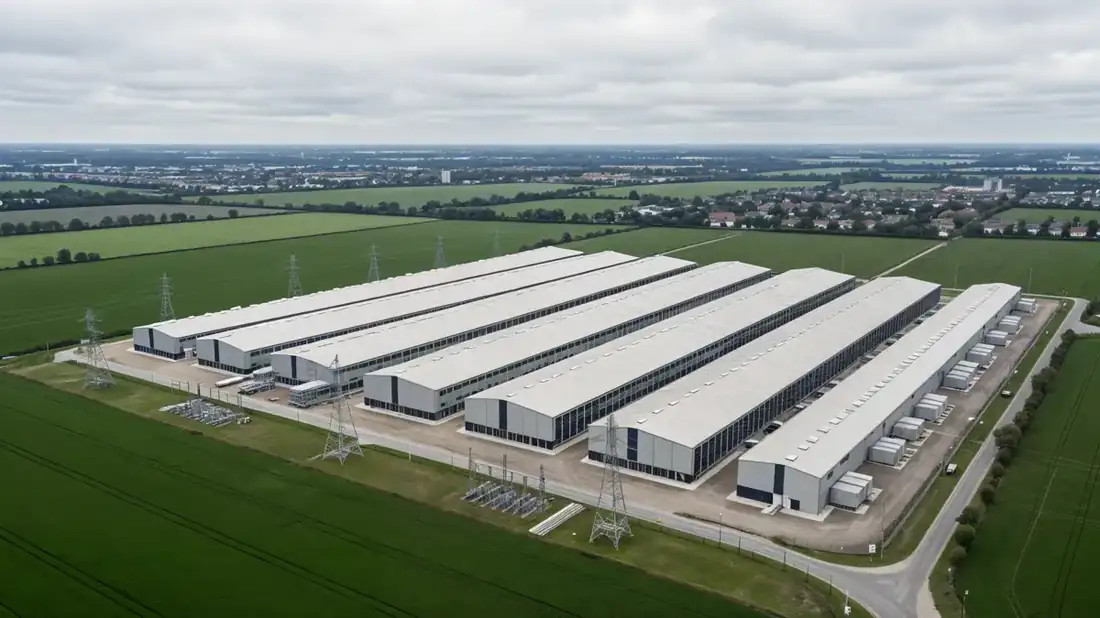
The United States is now building twice as much gas-fired power capacity as China, marking a dramatic shift that reverses decades of Chinese dominance in gas power construction. This surge is driven by a 76% increase in under-construction gas projects during the first half of 2026, primarily to feed the electricity demands of AI datacenters.
Since January 2026, gas power capacity in development across the US has grown by 50%, rising from 252 gigawatts to 378 gigawatts. This represents roughly one-third of all global gas power capacity under development. If all current projects are completed, the US gas fleet would expand by approximately two-thirds at an estimated capital cost exceeding $647 billion, according to the tracker that logs every gas plant in development worldwide.
Around half of the new capacity is directly tied to upcoming datacenters. Artificial intelligence operations require enormous amounts of electricity continuously, and tech giants including Google, OpenAI, and Amazon are racing to build new facilities. These datacenters require large, uninterrupted electricity supplies, and the new capacity is being met with gas power. Forecasts already point to data centres tripling their power use by 2030, with US power demand climbing toward record consumption.
Jenny Martos, a project manager at Global Energy Monitor, explains the shift: “Six months ago, China had more gas plants under construction but that has now flipped. There has been an enormous surge in datacenter proposals powered by gas in the past year and the climate implications of that is huge.”
The climate impact is significant. The International Energy Agency projects that US spending on coal and gas power plants will outstrip China’s for the first time in decades. Using natural gas instead of renewables for AI datacenters threatens to increase US power sector emissions by up to 20%, according to one estimate. That runs against the direction of global electricity supply, where renewables have overtaken coal and nuclear generation has reached record levels.
The Trump administration has actively supported the datacenter expansion, eliminating environmental reviews to speed up construction. President Trump stated: “Frankly, communities that don’t take a datacenter, they’re making a mistake because there’s plenty of communities that want them. Because it means jobs, and it means tremendous tax revenue coming into the towns and cities that take them.” On the competitive context, he said: “their air is dirty, and it drifts over to us.”
The surge has also created a bottleneck in the supply chain. Demand for the most efficient gas turbines has exceeded manufacturing capacity. Several companies, including Elon Musk’s xAI, have switched to smaller, less efficient, more heavily polluting turbines because of the backlog.
However, the datacenter buildout faces significant public and industry concerns. A Heatmap poll showed that three-quarters of Americans do not want to live next to a datacenter. An analysis by the Environmental Integrity Project found that two-thirds of more than 800 planned datacenters face concerns over climate impacts, rising power bills, tax breaks, and water shortages, with the proposed plants set to release 662 million tons of greenhouse gas pollution a year. A comparable dispute has played out in Britain over the carbon footprint of a proposed hyperscale campus near London.
Ratepayers are expected to bear much of this cost. As Martos notes, building all this gas infrastructure for AI locks in “decades of pollution and dependence on a volatile fuel cost, which will get passed down to rate payers.”