 Karmactive Staff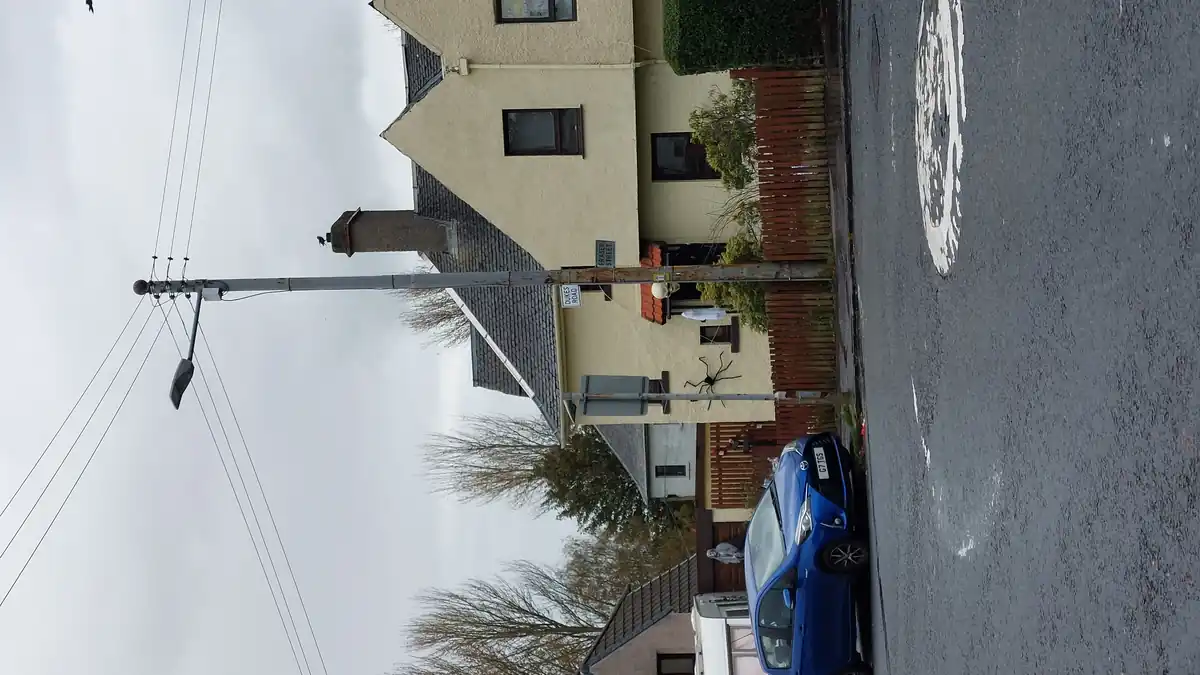
A Dearborn family has turned its home’s Halloween display into a fundraiser for Friends for Animals of Metro Detroit. The display has raised thousands of dollars for the animal-welfare organization.
What is happening
A residential Halloween display in Dearborn, Michigan, is collecting donations for Friends for Animals of Metro Detroit (FAMD). Local reporting said the display had raised thousands for the organization.
FAMD is a nonprofit animal-welfare organization serving the Metro Detroit area. The fundraiser highlights how seasonal community displays can support local animal-rescue work.
What it means for visitors
Visitors traveling to see community Halloween displays can support local animal welfare by following the organizer’s donation instructions and respecting the residential neighborhood. Keep companion animals securely leashed and ensure pets’ microchip information is current during Halloween, when increased foot traffic and open doors can contribute to pets escaping.
What shelters need
*What items do animal shelters need most during fall fundraisers?* Animal shelters commonly need monetary donations as well as unopened pet food, clean blankets and towels, cat litter, durable toys, kitten milk-replacement formula and stainless-steel bowls. Donation needs vary by shelter, so donors should check the organization’s current wish list before giving.
October can be a demanding period for animal shelters as they manage intake and care needs. Community fundraisers can help support those operations.
Check back for updates on the fundraiser.