 Govind Tekale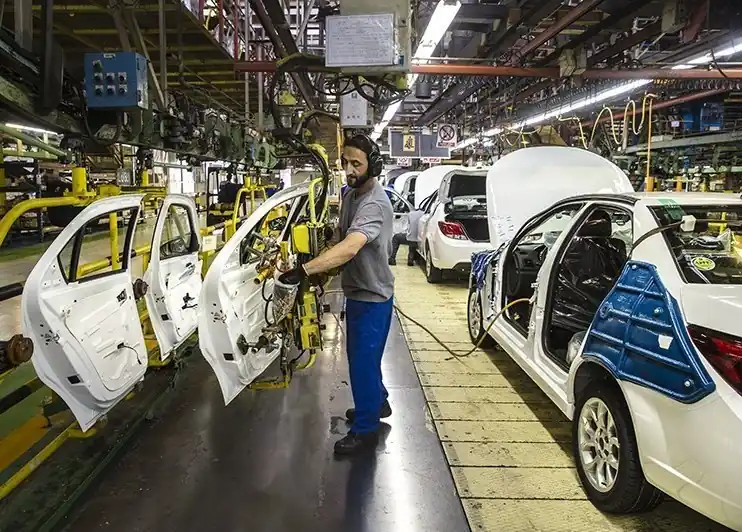
Operation Economic Outcast Expands to Land Routes
The US Treasury Department struck Iran’s auto and rail sectors on Thursday, October 1, 2026, widening the economic war against Tehran as a US naval blockade already chokes oil shipments from Iranian ports near the Strait of Hormuz. The sanctions target Iran Khodro Company (IKCO), SAIPA Iranian Automobile Manufacturing Company and Niroo Motor Shiraz — IKCO and SAIPA together represent more than 90 percent of Iran’s domestic car market — plus the state-owned Islamic Republic of Iran Railway Company, the Raja Passenger Trains Company, and the Railway Transportation Company, a top private freight line.
Treasury Secretary Scott Bessent said the action “directly targets Iran’s enablers and lays the groundwork for the United States and our partners to drain the regime’s revenue once and for all.” The move is part of Operation Economic Outcast, announced August 24, which aims to cut Tehran’s funding for the war, missile construction, cyberattacks and the Islamic Revolutionary Guard Corps.
Companies Hit: From Car Factories to Freight Rail
The sanctions hit Iran at its economic arteries — the routes that move goods when the sea corridor is closed. The US naval blockade targets shipments from Iranian ports rather than closing the Strait of Hormuz itself, which remains open to commercial traffic generally; even so, it has forced Tehran to rely on autos and rail for transporting petroleum, fertilizer, chemicals and other goods. Thursday’s sanctions target those alternatives, cutting off the land routes Tehran has turned to after the sea choke point.
Foreign companies in Indonesia, the UAE, Turkey, Hong Kong and Germany that supply Iran’s auto industry were also designated. Brett Erickson, a sanctions expert and managing principal at Obsidian Risk Advisors, framed the escalation bluntly: “The blockade squeezed Iran at sea, sanctions increasingly isolate it by air, and now Washington is constricting its economic arteries on land. You cannot choke an economy like this without choking the livelihoods of the people who depend on it.”
Global Ripple: How Hormuz Blockade Fuels Sanctions Escalation
The Strait of Hormuz handles roughly 20 percent of global oil trade, though estimates vary depending on the metric used. Any disruption sends diesel prices, freight rates and consumer goods costs climbing across the US, UK and Australia. The sanctions layer on top of the existing blockade, creating a full-spectrum economic siege — sea, air and land — that leaves Iran with fewer routes to move revenue-generating goods.
For importers and logistics managers watching fuel prices, the signal is clear: expect continued pressure on shipping costs as the US tightens the screws. The foreign supplier designations mean companies in Southeast Asia, the Middle East and Europe face a choice between Iran’s auto market and access to the US financial system.
Why This Matters for Everyday Readers
The sanctions are not abstract geopolitics. They affect the price at the pump, the cost of imported goods, and the reliability of supply chains that depend on Hormuz transit. Iranian auto production — already constrained by years of sanctions — will face further disruption, potentially tightening global used-car markets and spare parts availability in regions that import Iranian-manufactured vehicles.
The rail sanctions are particularly significant because they target Iran’s inland freight network, which has become the backbone of its import-export system since the sea blockade began. Disrupting rail freight means delays for petroleum products, fertilizers and construction materials moving within Iran and to neighboring countries.
What the Priority PAA Says
What are the new US sanctions on Iran? The Treasury Department sanctioned Iran’s auto and rail sectors and their foreign suppliers on October 1, 2026, under Operation Economic Outcast. The designations target IKCO, SAIPA, Niroo Motor Shiraz, three rail companies, and foreign suppliers in Indonesia, UAE, Turkey, Hong Kong and Germany. The action follows a naval blockade targeting Iran’s oil shipments from ports near the Strait of Hormuz, and aims to drain the regime’s revenue streams for war funding, missile programs and cyber operations.
The sanctions mark the latest escalation in a campaign that has moved from sea to air to land. With each layer, the economic pressure compounds — and so does the impact on global fuel prices and supply chains. The question for readers is not whether these sanctions matter, but how much higher fuel costs will climb before any diplomatic resolution emerges.
The official announcement is expected in the coming weeks. Check back for updates on market reaction and any retaliatory moves from Tehran.