 Sunita Somvanshi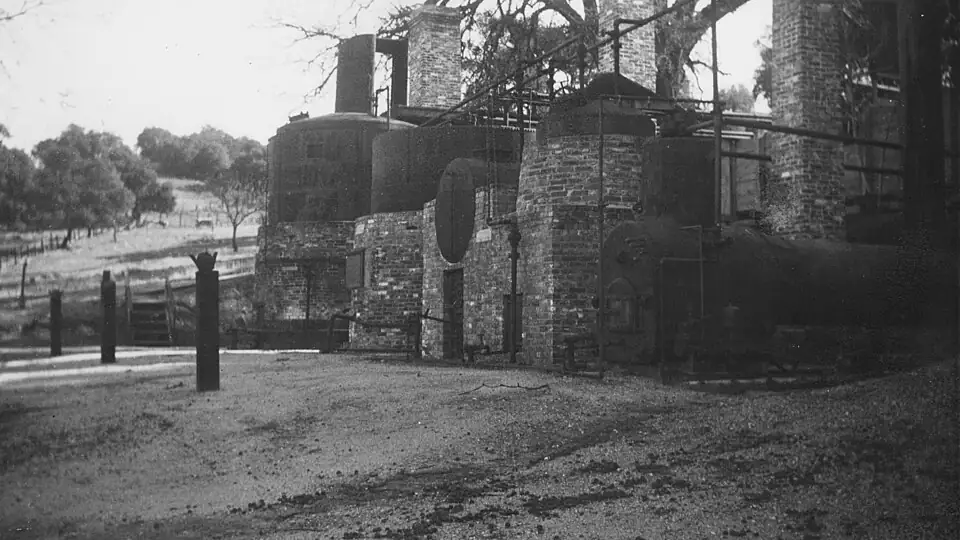
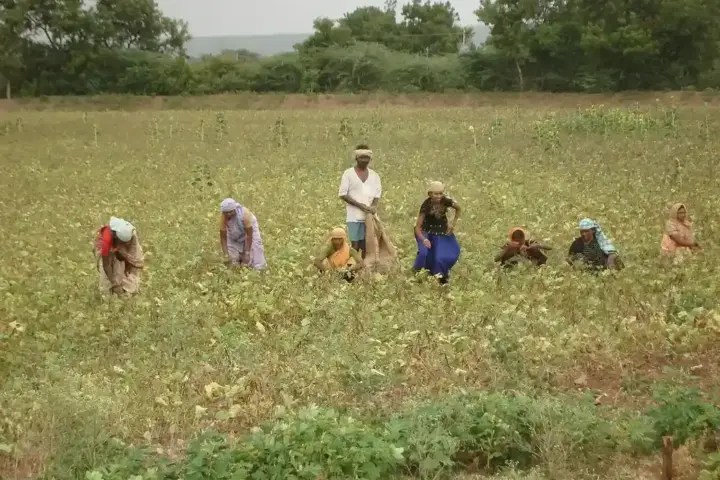
Iran’s economy contracted sharply in the first quarter of the Persian calendar year (21 March–20 June 2026), with GDP declining 10.1% year-on-year according to the Statistical Center of Iran. The Iran GDP contraction was led by the oil and gas sector, which shrank 26.4% over the same period. Manufacturing and services also contracted, while agriculture saw modest growth of 2.3%, compounded by currency depreciation, international sanctions and ongoing regional conflict. For global energy markets, the question is how much of Iran’s production loss is permanent versus recoverable once active conflict subsides.
A contraction in Iran’s oil-and-gas sector can affect government revenue, domestic production and the country’s ability to finance imports. For global markets, the impact depends on actual production losses, export flows and whether disruptions spread beyond Iran. A GDP figure alone does not establish how much oil prices will change or how quickly other suppliers can compensate.
Two forces drove the oil sector’s decline. First, physical damage: strikes on refineries, pipelines and production platforms reduced output directly. Second, export isolation: Iranian crude exports fell as international buyers avoided shipments under active US and EU sanctions. The US sanctioned 13 Iranian oil entities as Chinese terminals continued importing 65 million barrels, illustrating how enforcement gaps affect actual supply volumes. Domestic fuel consumption rose as the government prioritized internal supply, but export revenue collapsed regardless. Iran exported roughly 1.5–2 million barrels per day before the conflict escalated; during the conflict, export estimates have ranged from 1.1–1.5 million bpd, down sharply from pre-war levels. On a global market producing approximately 100 million bpd, that shortfall is meaningful but not catastrophic—other producers can compensate if prices rise enough to justify increased output. The International Energy Agency tracks these supply shifts across its monthly oil market reports and serves as the primary independent cross-check on official production data.
The broader economic picture inside Iran is a compounding cycle. Oil revenue funds government budgets; as that revenue falls, the government cuts spending on contracts and services. Businesses dependent on those contracts reduce hiring and investment. Currency pressure (the rial has weakened sharply against the dollar) raises the cost of imported food, medicine and industrial inputs. Inflation and contraction are rising simultaneously—a condition that makes standard monetary responses ineffective.
The Statistical Center’s figures are official Iranian government data. Independent verification of underlying production figures is not possible from outside observers; international bodies and energy traders cross-check using satellite imagery and shipping data. Those sources confirm significant export reductions, though exact figures remain disputed. The 10.1% GDP contraction figure comes from the Statistical Center of Iran as reported by multiple outlets, and should be treated as a first reading pending more detailed primary data. What’s clear from multiple data streams is that Iran’s economy is contracting significantly, and the energy sector is the primary driver.