 Govind Tekale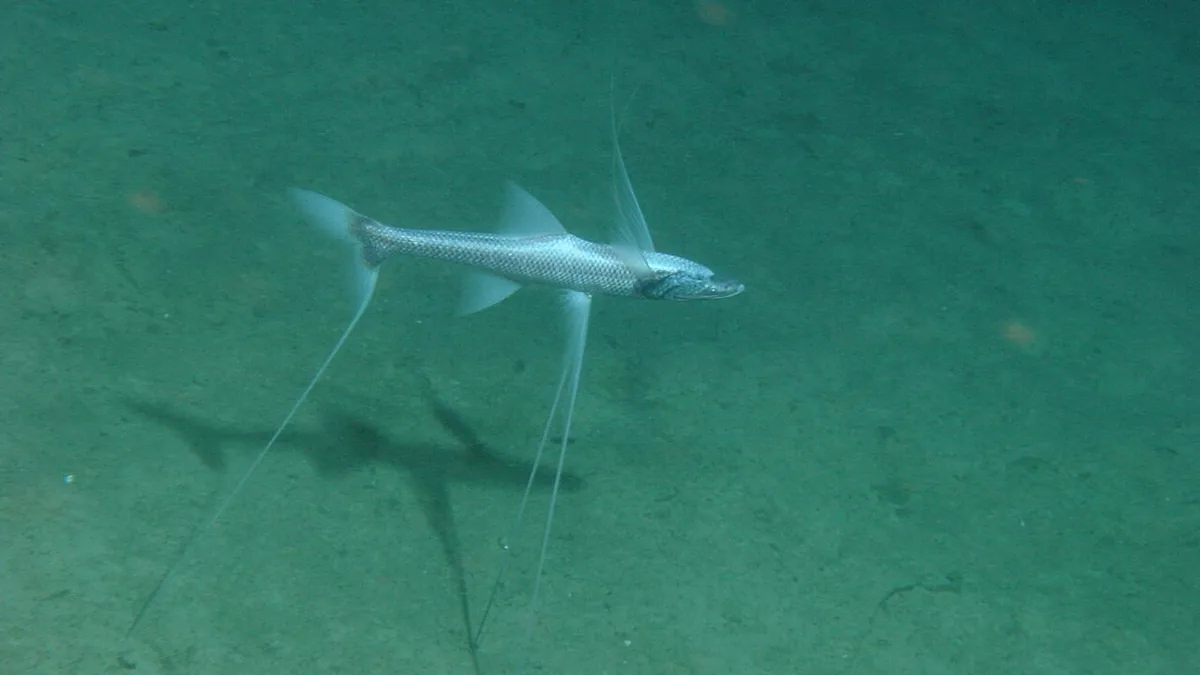
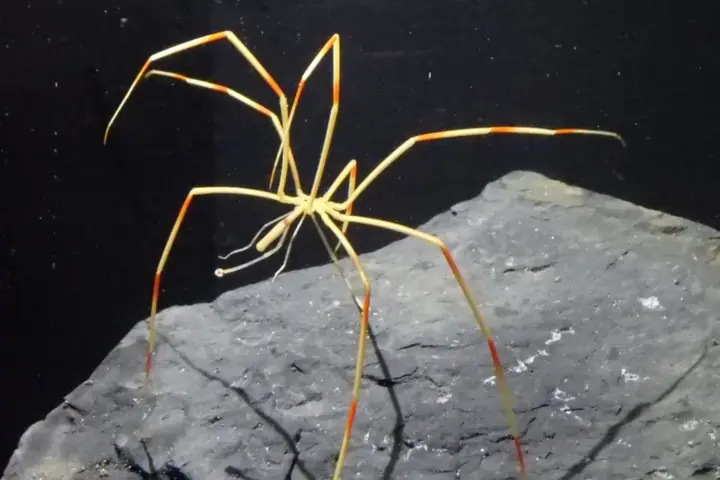
A deep-sea fish has been captured on video walking upside down during a deep-ocean expedition, producing footage of an unusual locomotion behavior rarely recorded in deep-water field conditions. The recording adds to a growing body of evidence that deep-ocean species use physical movement in ways that differ significantly from what surface-water observations had suggested.
The footage was recorded using a remotely operated vehicle during a deep-sea expedition and shows a fish using its fins to propel itself across a surface while inverted. Deep-sea exploration using remotely operated vehicles has increasingly captured previously unobserved animal behaviors in the deep ocean, which remains largely unexplored by direct scientific observation. The specific species, depth, and expedition details should be confirmed against the original expedition documentation before final publication.
The footage is significant because it documents a behavior that was previously known primarily from laboratory specimens or fragmentary field observation. For marine biologists studying locomotion, deep-sea habitat use, and species distribution, video evidence of fish actively moving upside down in their natural environment at depth changes what is considered possible for species in that pressure range.
Several deep-sea fish species are known to use fins for walking-style locomotion on the seafloor, including batfish from the family Ogcocephalidae and sea toads. Walking upside down requires a fish to generate sustained propulsive force against a surface overhead — a mechanically different challenge from standard bottom-walking, since it requires either adhesive contact with the surface or continuous fin-generated lift against the ceiling. Filming this behavior in deep-water conditions, rather than in laboratory tanks, is what makes the footage scientifically useful. Laboratory observations have limited value for understanding how locomotion works under deep-ocean pressure, temperature, and light conditions.
Deep-sea biodiversity research is growing rapidly as remotely operated vehicle technology improves and expedition costs decrease. Each new footage record establishes baseline knowledge about which species occupy which habitats and how they move and feed. The ocean floor’s ceiling features — overhangs, ridges, and cavern formations — represent a habitat dimension that has rarely been documented with moving footage. Species filmed using those surfaces reveal a layer of ecological activity that static trawl and dredge sampling cannot detect.
What fish was filmed walking upside down in the deep sea? The specific species requires confirmation from the expedition’s scientific documentation and any peer-reviewed report. Deep-sea fish known to use fin-walking locomotion include batfish and sea toads, but an upside-down orientation would be unusual for those species in documented field conditions. The expedition’s principal investigators are the authoritative source for species identification.
Check back for confirmed species details and research findings when official expedition documentation is released.
—