 Sunita Somvanshi
# US Sanctions Law Authorizes 100% Tariffs on Russian Oil Buyers: What Comes Next
If you’re worried this trade fight means gas prices are about to spike, the honest answer is: not automatically. A new US law lets the president slap tariffs as high as 100% on countries buying Russian oil, but enforcement is discretionary, not required.
President Trump signed sanctions legislation this week, associated with the late Senator Lindsey Graham, targeting nations that continue purchasing discounted Russian crude and natural gas. China and India are the clear targets. Data from the Centre for Research on Energy and Clean Air shows China accounted for roughly 50% of Russia’s crude exports between December 2022 and August 2026, with India at around 37%. Both governments have pushed back, with Beijing calling the move “long-arm jurisdiction” and New Delhi warning it could strain ties with Washington.
Tariffs on major oil refining hubs could disrupt international fuel markets. If tariffs are enforced against Indian or Chinese refiners, international diesel and jet fuel inventories could tighten, putting upward pressure on consumer fuel prices across the West. However, because the law gives the executive branch discretion over when and how strictly to apply these tariffs, sudden price spikes remain tied to presidential enforcement decisions rather than automated trade cutoffs.
The Presidential Waiver Clause Behind the Ultimatum
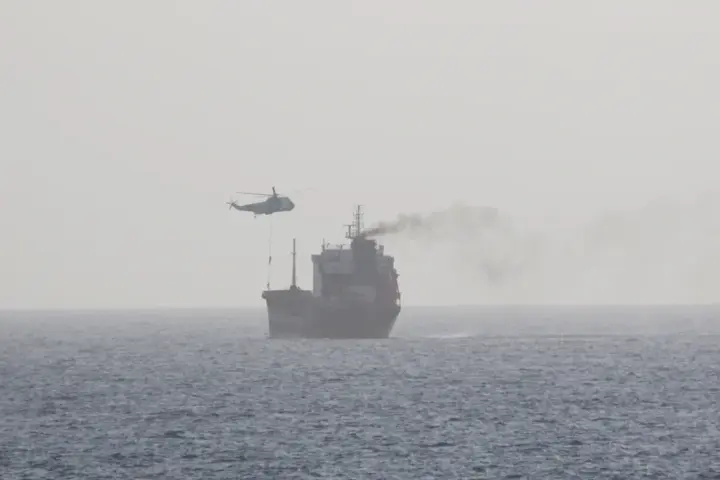
The statutory text includes a national interest waiver, letting the White House suspend tariff enforcement if doing so protects critical US economic interests or broader strategic alliances, subject to notifying Congress. Separately, the US Trade Representative is required to reassess every 180 days which nations rank among the top five largest buyers of Russian crude and natural gas by volume. That detail matters more than the headline number. The law authorizes up to 100% tariffs; it does not mandate them. The legislation also targets Russia’s “shadow fleet” of tankers used to help circumvent existing sanctions.
The gap between the public tariff threat and the law’s built-in flexibility is the real story here. Washington gets to look tough on Russian oil revenue while keeping a release valve available if enforcement threatens domestic fuel prices or broader diplomatic interests.
Will the US put 100% tariffs on India and China? The legislation gives the president legal authority to impose tariffs of up to 100% on nations purchasing Russian petroleum. Imposition is not automatic; the law includes a national interest waiver allowing the executive branch to suspend enforcement based on economic or strategic considerations.
Nothing changes at the pump today. Watch how the administration handles the law’s required 180-day reassessment of major Russian oil buyers for the first real signal of whether these tariffs get applied or waived.