 Sunita Somvanshi
The United States has spent roughly $38 billion fighting in Iran since the conflict began, according to a new assessment by the Congressional Budget Office. That amount covers combat operations through August 1, 2026, working out to approximately $246 million per day in direct Pentagon spending.
The figure matters not just as a fiscal accounting. The war’s direct cost shapes prices at the gas pump, depletes weapons inventories needed elsewhere, and contributes to inflation affecting everything from food to housing. For ordinary Americans watching their utility bills climb and grocery prices rise, understanding the war’s price tag reveals part of what they’re actually paying in economic consequences.
The CBO based its estimate on government budget databases and publicly available reports. The Defense Department did not respond to the CBO’s request for detailed spending information, so the calculation relies on what can be independently verified from official records. The assessment focuses on direct Department of Defense costs: military personnel deployed to theater, equipment usage, fuel consumption, logistics, and weapons systems fired during operations. It does not include longer-term expenses like medical care for wounded troops or future facility maintenance.
Assuming the conflict continues at current intensity, the CBO projects additional costs of roughly $2 billion to $3 billion each month. That spending is not theoretical. It represents real dollars flowing from federal budgets that could otherwise support domestic infrastructure, reduce government debt, or pay for civilian programs. At the higher estimate, another year of conflict would add approximately $36 billion to the running total.
One particularly tangible cost involves ammunition. The CBO found that Iran operations have consumed a substantial share of U.S. air-defense interceptor stocks used against Iranian threats. Each interceptor costs hundreds of thousands of dollars, and production capacity cannot be rapidly expanded. The conflict has also depleted stocks of other munitions, including cruise missiles, precision-guided bombs, and artillery rounds. Replacing these weapons requires both manufacturing time—often months—and substantial funding that diverts resources from peacetime production or other military priorities.
Weapons depletion has strategic consequences. With munitions stocks allocated to Iran operations, the Pentagon has smaller reserves for other potential crises. That reduces flexibility in responding to simultaneous conflicts in different regions or supporting existing military commitments elsewhere.
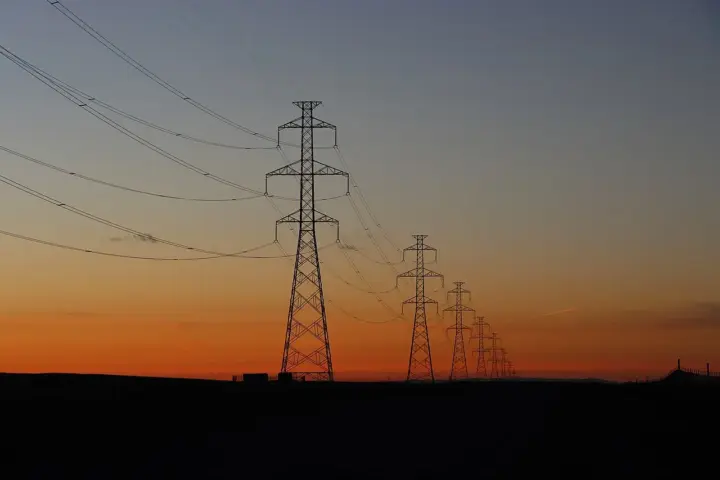
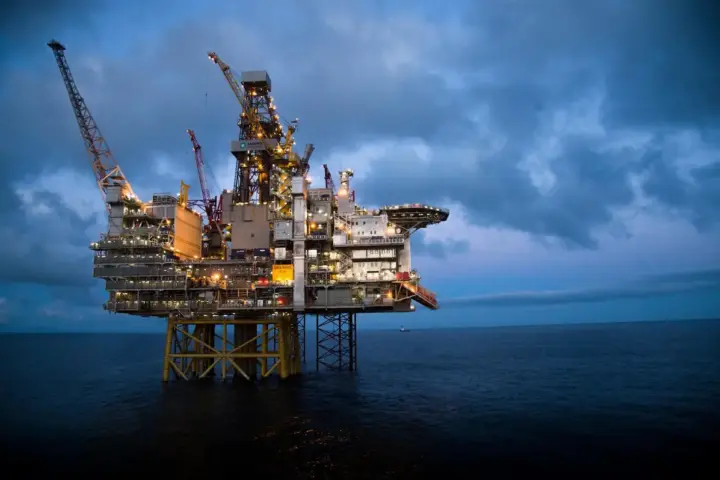
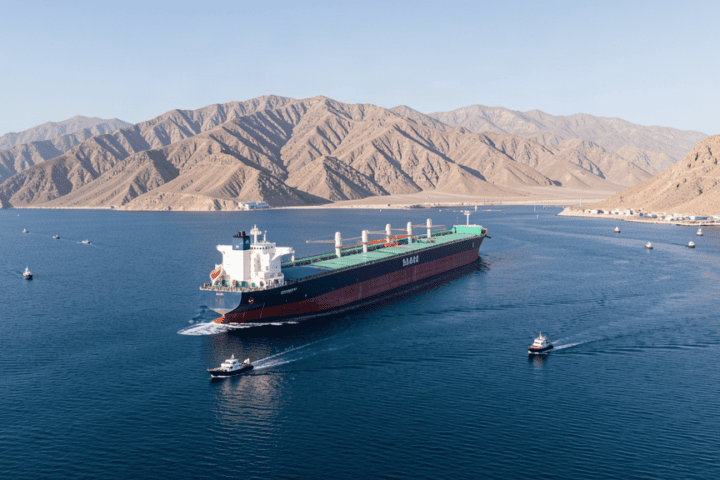
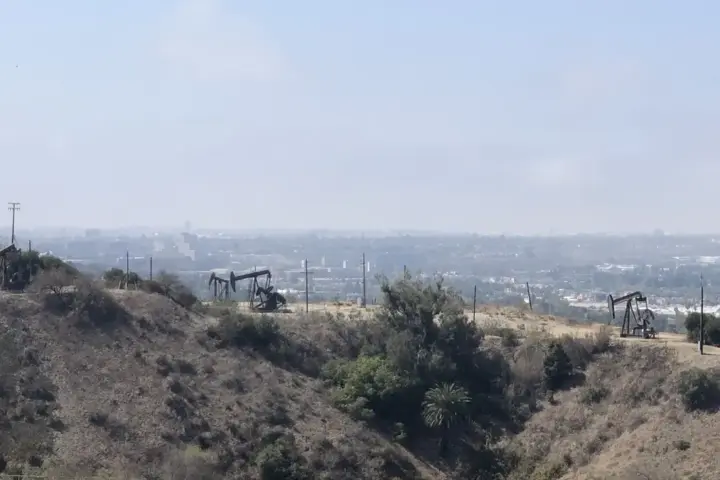
The war’s economic impact extends beyond military spending. The conflict has disrupted shipping through the Strait of Hormuz, a critical chokepoint for global oil and liquefied natural gas trade. That disruption has pushed energy prices higher, which feeds into inflation affecting consumer prices across the economy—from heating fuel to the cost of transporting goods to retail stores. The CBO specifically connects the conflict to these broader economic effects, not just Pentagon budgets.
The $38 billion estimate carries an important caveat. It represents independent analysis based on available public data, not a Pentagon accounting. The Defense Department’s silence on detailed spending figures means the true cost could differ from what the CBO calculated. But the figure establishes a baseline: in five months of combat, Americans have invested at least $38 billion in this conflict, with billions more flowing out each month as fighting continues.