 Rahul Somvanshi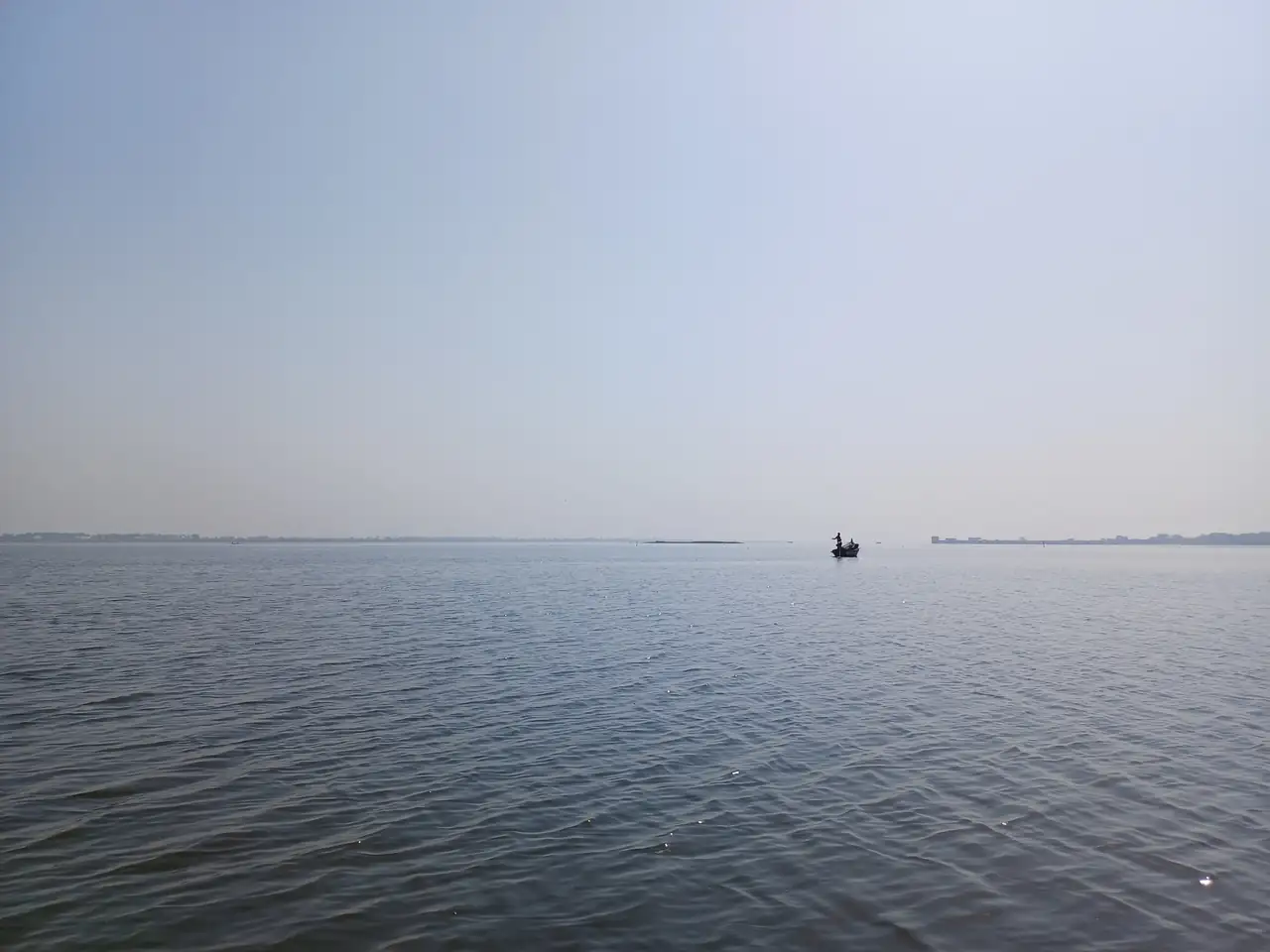
Hundreds of fishermen waded into the backwaters of Ujani Dam near Palasdev village in Pune’s Indapur taluka on September 5, 2026. The demonstration — called a “Jal Samadhi,” meaning a water-immersion protest — drew participants from communities in Pune, Solapur, and Ahilyanagar. Their target: a proposed floating solar power plant and a private commercial fishing contract they say threatens their livelihoods.
Maharashtra has previously considered a 1,000-MW solar power project at Ujani Dam. A 2026 National Institute of Solar Energy floating solar assessment has identified Ujani Dam among sites with significant potential in Maharashtra.
Neither project has received final approval.
The protest has two connected grievances. First, the fishermen say that large-scale floating solar arrays would alter sunlight penetration into the water and block boat access routes. No independent environmental assessment was identified in the sources reviewed establishing what the actual ecological impact would be.
Second, they object to an Expression of Interest issued by the Maharashtra Krishna Valley Development Corporation for a 10-year commercial fishing contract. They say this arrangement would bypass local traditional fishing cooperatives that have worked the reservoir for generations.
The protest was suspended after dam executive engineer Suchita Dumbre met with representatives, accepted their formal memorandum of demands, and agreed to hold administrative consultations in September 2026.
The question this story raises is real: how does a renewable energy project interact with the existing economy of a reservoir that communities depend on? That requires an environmental assessment and a community consultation process — neither of which has been reported as completed.