Govind Tekale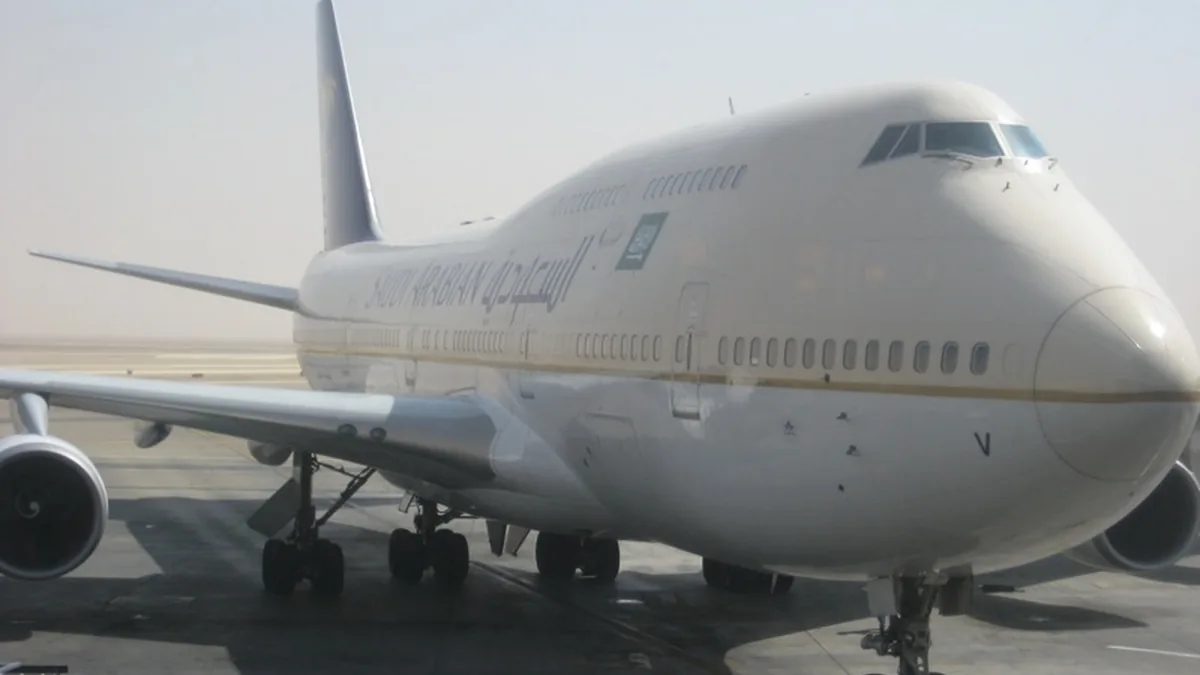
A projectile strike on Saudi Arabia’s main international airport killed at least 12 people on October 10, including one American citizen. The Trump administration is now openly evaluating whether to join Saudi military operations against Yemen’s Houthis. If that decision goes through, the effects will not stay in the Middle East — and consumers in the US, UK, and Australia will feel them at the pump and in shipping costs within weeks.
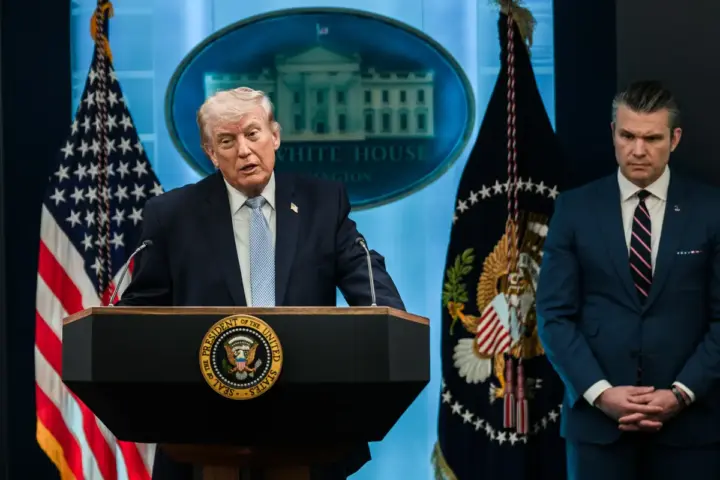
Saudi authorities and the coalition attributed the October 10 attack on King Khalid International Airport in Riyadh to the Houthis; the group had not publicly commented on Saturday’s strike, though US and regional news reports indicated the Houthis later claimed multiple operations against Saudi Arabia in the days that followed. Saudi authorities confirmed at least 12 deaths, with more than 300 people injured. The dead include foreign workers and at least one US national. A second strike on the same airport was reported the following day, killing one person and injuring eleven others. Trump told reporters “We may. We’re going to look at it” when asked whether the US might join Saudi strikes on Houthi targets; the US had provided intelligence and targeting support to Saudi operations but had not announced combat action as of October 12.
Historical data from the 2019 Abqaiq-Khurais attacks — which briefly removed roughly 5% of global supply and sent crude up more than 14% in a single day — illustrates how quickly Gulf escalation can move oil markets. Any confirmed escalation raising credible risk to production or transit infrastructure in the region would be likely to trigger a risk premium on global crude benchmarks, though the magnitude depends on specific developments and no authoritative analyst estimate for this scenario has been published.
What Would a US Decision Actually Change?
The Trump administration has not announced a combat commitment. What has changed is the pressure created by two strikes in 24 hours on a civilian airport serving millions of passengers annually. The practical question is whether that crosses the threshold that shifts US posture from maritime protection operations — already ongoing in the Red Sea since 2024 — to active participation in Saudi strikes on Houthi territory.
The US Energy Information Administration estimates that approximately 21% of global petroleum liquids consumption moved through the Strait of Hormuz as of 2018. Any escalation that raises credible risk to that corridor historically adds a premium to Brent crude and WTI benchmarks. US consumers and energy markets do not need a confirmed supply disruption for prices to move — perceived disruption risk is enough to lift futures.
The 2019 Abqaiq attack is the clearest reference point. That single strike briefly removed roughly 5% of global supply and sent crude up more than 14% in a day. A full US entry into this conflict would not replicate Abqaiq, but it would significantly multiply the number of credible targets in the region.
As of October 12, no deployment order has been confirmed by the Pentagon or the National Security Council. Any change in US posture will come through an official statement from those bodies — not social media posts or opposition claims. Check directly with your airline before booking flights through Riyadh. Check back here for any formal US military announcement.