 Rahul Somvanshi
—
For generations, the Polk family in Southaven, Mississippi, held onto their land. Then a gas-powered plant arrived next door to power one of the largest artificial intelligence computing facilities in the country — and the noise, the fumes, and the lights eventually pushed them out, according to the family’s account.
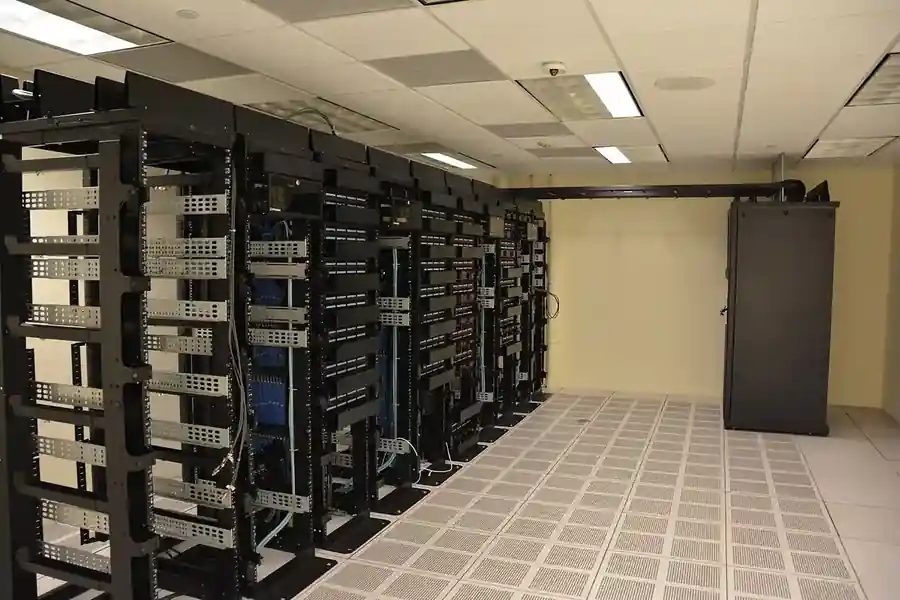
That story is playing out in different forms across the United States right now, as communities push back against the rapid, largely unchecked expansion of AI data centers.
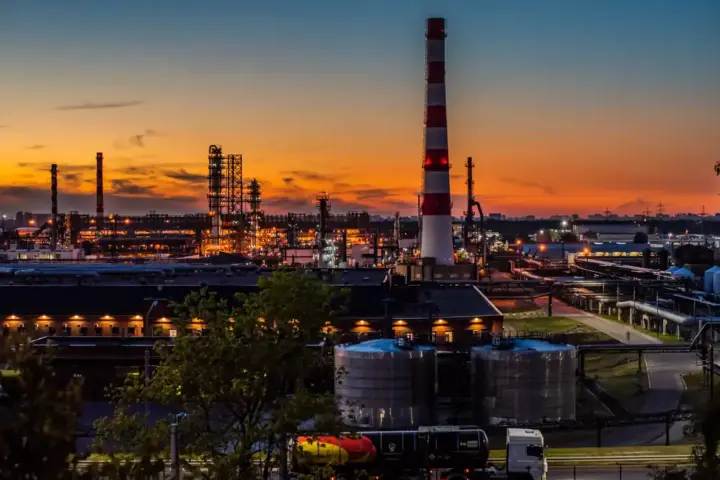
In Southaven, the facility is connected to SpaceXAI, the Musk AI company formerly known as xAI, which has directed more than $20 billion in investments into the Memphis-area region since 2024. The power plant next to the Polk family’s property doesn’t run on the grid. It runs on natural gas turbines, burning fuel around the clock to feed the enormous energy demand of AI computing clusters. The NAACP filed a lawsuit in April 2026 against xAI and a subsidiary called MZX Tech, alleging the plant “emits significant amounts of harmful pollutants.” The U.S. Department of Justice then moved to intervene and have the case dismissed, arguing the facility is connected to national security and defense AI systems — a move that effectively put federal authority against a civil rights complaint about air quality in a predominantly Black neighborhood. An independent study by a group called EmPower Analytics Group found that expanding the turbine operation would increase air pollution concentrated in communities that are disproportionately Black.
Mississippi’s environmental agency said it doesn’t comment on pending litigation but confirmed that MZX Tech had to demonstrate compliance with air quality standards during the permitting process.
In Florida, the flashpoint is different but the frustration is the same. More than a dozen counties and cities across the state have imposed or are actively considering one-year moratoriums on new data center construction. The core concern is water. A single large facility can consume up to 5 million gallons of water per day for cooling — largely through evaporative systems that pull municipal water reserves. Lakeland’s city commission passed a moratorium in August 2026 after debate over a proposed facility called “Project Swan.” Officials framed it as a planning pause, not a permanent prohibition, while they studied the real numbers behind what such a facility would demand from local infrastructure.
Florida’s Commerce Secretary Alex Kelly went further regarding a proposed 1,300-acre data center project in Polk County, calling the developer’s water estimates “woefully underestimated.” The developer had projected roughly 140,000 gallons per day for cooling and 50,000 gallons for operations. Kelly said the actual figures would be significantly higher.
In response to the mounting local resistance, Florida Governor Ron DeSantis signed Senate Bill 484 into law, giving local governments explicit authority to regulate data center siting and land-use decisions. The law also requires public disclosure of development agreements and establishes that large-load customers must bear their own infrastructure costs rather than passing them onto existing residential and commercial ratepayers.
The underlying tension isn’t about being anti-technology. It’s about who pays — in air quality, water reserves, utility rates, and quality of life — when data centers arrive in communities that had no say in the decision.
— —