Karmactive Team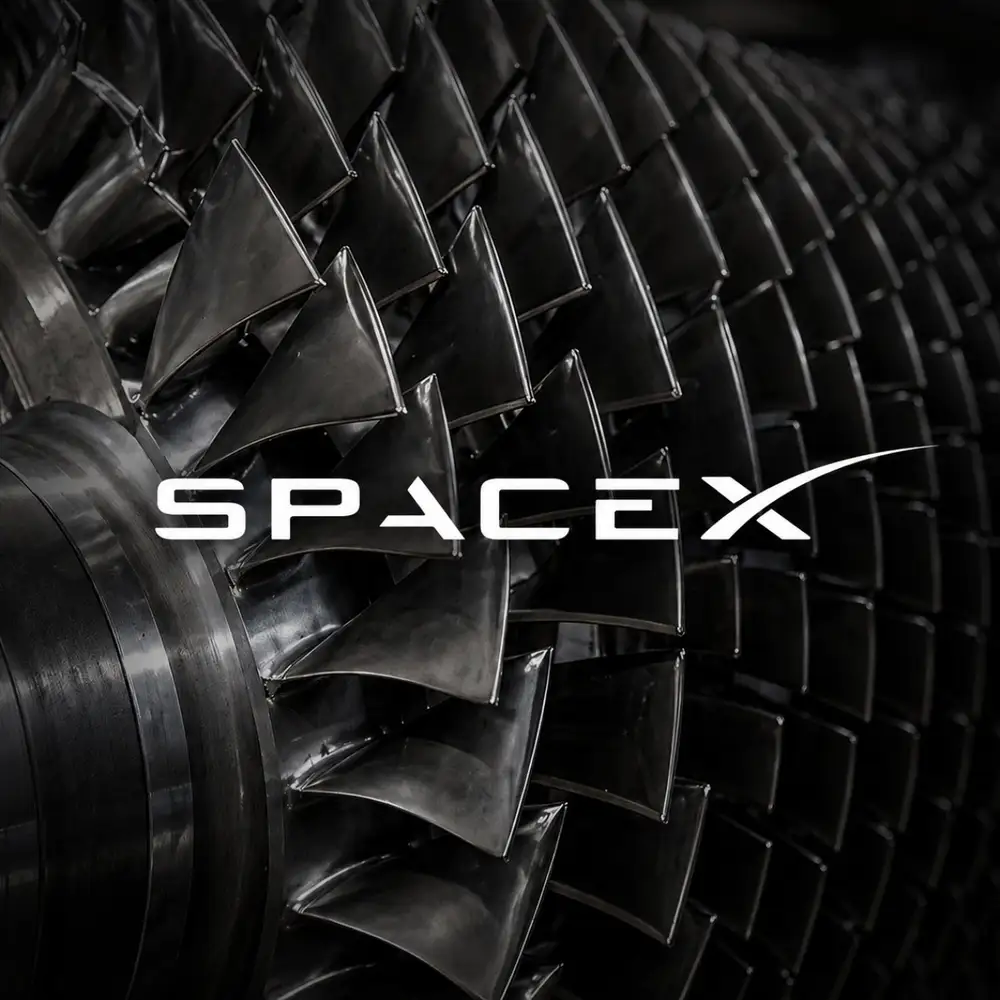
SpaceX is developing in-house turbine-blade and vane casting capability at its Bastrop, Texas, operations to help solve a power problem that has nothing to do with rockets: Growing AI data-center demand is creating power and grid-connection challenges in some U.S. markets. The company is applying manufacturing techniques from its rocket engines to a very different industry — one that’s suddenly scrambling to keep up with the energy demands of artificial intelligence.
Why do AI data centers need so much power?
Training and running large AI systems requires enormous computing power, and that computing power runs on electricity. A single major AI computing cluster can use staggering amounts of energy. xAI’s Colossus 1 has been associated with more than 300 megawatts of computing capacity in a 2026 agreement with Anthropic. For comparison, that’s roughly enough electricity to power tens of thousands of homes, concentrated in one facility.
Why can’t these companies just connect to the power grid?
They can, but not quickly. Getting a new large-scale connection to the regional power grid typically takes years, thanks to permitting, infrastructure upgrades, and utility planning processes. AI companies don’t have years to wait — they’re racing to build and expand computing capacity right now. So instead of waiting on the grid, some data-center developers are pursuing behind-the-meter generation, including natural-gas generation, right next to their data centers.
What does this have to do with SpaceX?
Gas turbines are in high demand, and lead times vary substantially by turbine type; smaller gas turbines have been reported at roughly 18-36 months, while large units can take considerably longer. Lead times are constrained by single-crystal blade casting requirements. SpaceX has spent years refining casting techniques for its Raptor rocket engine turbopumps, which face similarly extreme heat and pressure. The company believes it can apply that same casting expertise to turbine blades for power generation, building them faster than traditional manufacturers.
Elon Musk has estimated this approach could cut turbine deployment time by around 18 months. That number comes from Musk himself and hasn’t been independently verified, so it should be treated as a projection rather than a confirmed result.
Is this just about avoiding pollution rules?
Not really. Gas-fired power-generation facilities can be subject to federal air-emissions requirements, depending on the facility and applicable regulations. The core issue driving this factory is speed and supply: there’s a massive, fast-growing demand for power, and the equipment needed to generate it on-site isn’t being manufactured fast enough to keep up. SpaceX’s turbine blade venture is a bet that better manufacturing can close that gap.
What does this mean for regular people?
The AI boom’s power needs are starting to reshape industries far outside of tech, from turbine manufacturing to natural gas supply chains. If SpaceX succeeds in speeding up turbine production, it could affect how quickly data centers get built nationwide — and how quickly the power demand from AI shows up on regional energy grids and, potentially, electricity markets that everyday consumers rely on.