 Sonali Tiwary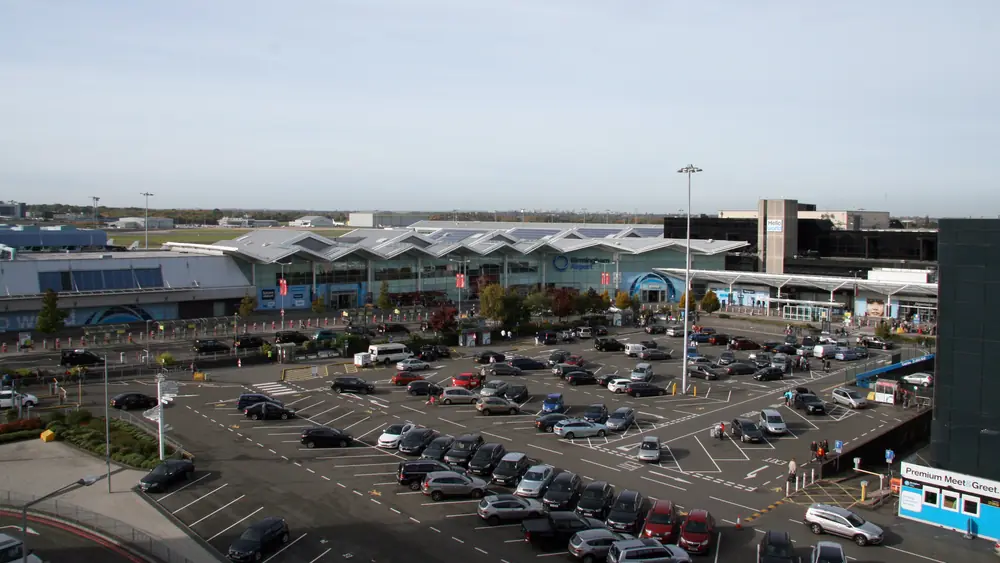
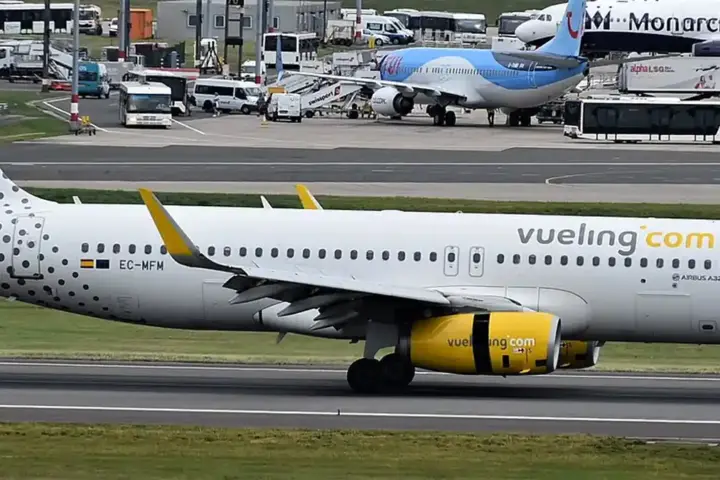
Birmingham Airport has published a draft master plan proposing more than £2bn of investment to handle approximately 30 million passengers a year by 2041. The plan uses the airport’s existing runway and facilities rather than proposing a second runway.
What the plan proposes
The draft master plan covers 2026 to 2041. It proposes investment of more than £2bn and a target of approximately 30 million annual passengers by 2041.
The airport says the growth would be accommodated within its existing runway and facilities. The plan does not include a second runway or runway extension.
The airport has invited feedback on the draft plan. The consultation runs from October 8 to December 4, 2026, and the final plan is expected in early 2027.
What it means locally
Midlands residents, frequent business flyers and regional property owners face potential changes under Birmingham Airport’s draft expansion blueprint. If approved and delivered, the plan would raise annual capacity to approximately 30 million passengers by 2041 without adding a second runway. Residents and businesses can submit feedback to the consultation by December 4, 2026, while regional businesses may see changes in airport capacity and connectivity over the plan period.
The draft is a proposal, not an approved construction programme. Its effects on noise, road traffic, routes, freight and local transport depend on the final plan and subsequent planning and environmental assessments.
What remains unclear
Detailed claims about terminal reconfiguration, taxiways, aircraft stands, passenger mode share, automated people movers, net-zero targets and sustainable aviation fuel were not verified against the available official master-plan material and have been removed.
The airport’s current annual passenger total, the technical basis for handling 30 million passengers on one runway, and the environmental impacts of growth should be checked against the full draft master plan before publication.