 Sunita Somvanshi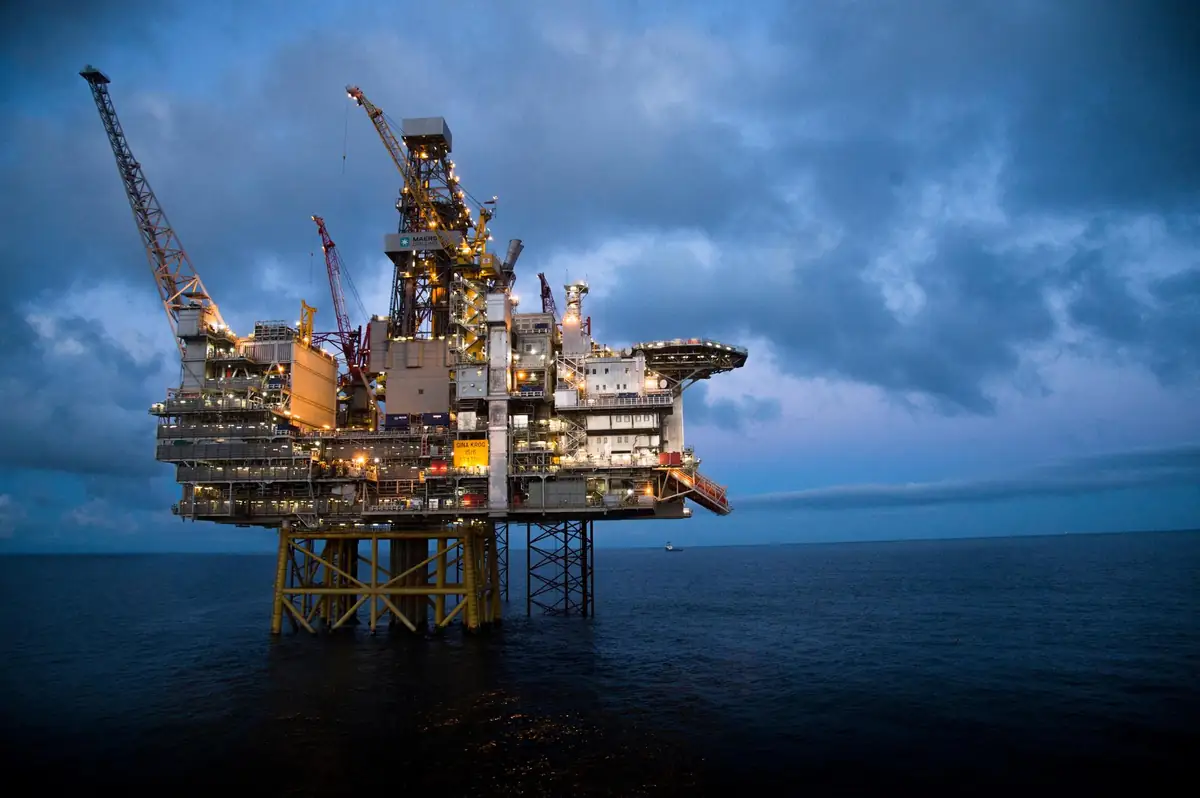
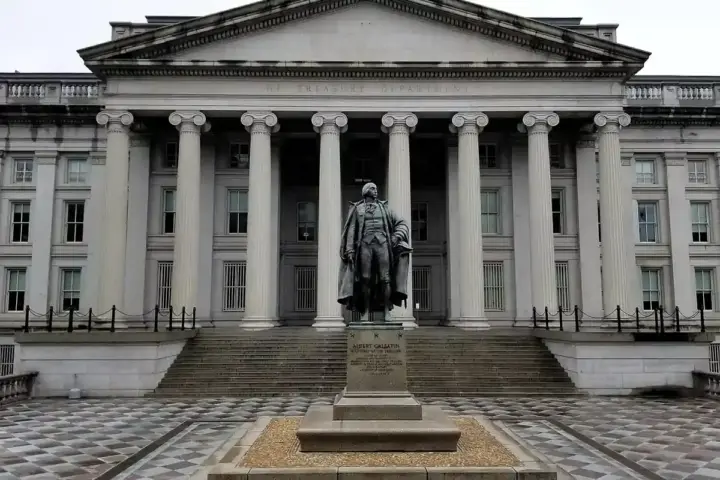
The oil and gas industry lobby group Offshore Energies UK (OEUK) has published a major economic report urging Chancellor Rachel Reeves to scrap the Energy Profits Levy — the so-called North Sea windfall tax — two years earlier than its current planned end date. The report, released in September 2026, projects that early repeal could unlock up to £50 billion in North Sea investment and generate £14.9 billion in additional tax revenues over a decade.
Scrapping the North Sea windfall tax would not directly lower your household electricity or gas bill. Consumer energy tariffs in the UK are governed by international wholesale gas prices and Ofgem‘s quarterly price cap formula, not by how much tax upstream oil and gas producers pay on their profits. The battle between OEUK and HM Treasury affects long-term exploration capital and Aberdeen energy sector employment. It does not affect your direct debit.
What the Energy Profits Levy Actually Is
The Energy Profits Levy (EPL), introduced in 2022, is a supplementary corporate tax applied to the profits of oil and gas companies operating in UK waters. Combined with the existing ring-fence corporation tax and supplementary charge, it brings the total headline tax rate on North Sea producers to 78% — the highest in the UK oil and gas industry’s history.
OEUK wants the EPL replaced from 2027 rather than its currently legislated end date of 2030. Their proposed alternative, the Oil and Gas Revenue Levy, would apply a 35% charge on revenues above specified thresholds when commodity prices are high — a structure the industry argues is more predictable and investment-friendly.
The £14.9 Billion Figure — and What It Actually Contains
OEUK’s projection of £14.9 billion in additional tax revenue over ten years is the headline figure the industry has used to argue that early EPL repeal pays for itself. But that number requires careful reading.
Only £2.4 billion of the projected £14.9 billion comes directly from oil and gas company taxes. The remaining £12.5 billion is projected revenue from employment created by the investment activity that repeal is supposed to unlock — income tax, national insurance, and economic activity from workers across the supply chain.
That is a legitimate economic modelling approach, but it is not the same as £14.9 billion flowing directly from oil companies to the Treasury. The projection depends on the investment materialising and the jobs being created — both of which are uncertain outcomes.
Aberdeen Jobs and the Clean Energy Argument
OEUK’s case rests substantially on employment. The North Sea energy sector supports an estimated 200,000 jobs across the UK, concentrated heavily in Aberdeen and the Scottish Northeast. The industry argues that the current 78% tax rate makes new exploration and production projects economically marginal, and that without investment capital, those jobs will shrink as mature fields deplete.
Greater Manchester Mayor Andy Burnham weighed in with a regional perspective, raising questions about how the transition away from fossil fuels should be managed to protect workers while the UK shifts to clean energy employment. His intervention reflects a broader political tension: Labour’s industrial strategy wants North Sea employment preserved through the transition period, but its energy policy commitments pull toward faster decarbonisation.
The Household Bills Disconnection
The direct link between upstream taxation and domestic energy costs simply does not exist in the UK regulatory structure.
Your household gas and electricity tariff is set through Ofgem’s price cap mechanism, which is calculated quarterly based on wholesale energy market prices — the global commodity markets where gas and power are traded. When global gas prices fell sharply in 2023 and 2024, UK household bills dropped. When they rose, bills rose. The profit margin of a North Sea oil company has no direct mechanical link to the consumer price cap.
Scrapping the EPL would increase the after-tax returns for producers, potentially improving the economics of new field development, which could in theory influence UK gas production volumes over many years. But the pathway from that investment decision to a lower household bill is so indirect and long-term as to have no practical relevance to winter 2026 or 2027 tariffs.
For a broader look at how international energy market pressures feed into UK pricing, read about the Strait of Hormuz shipping crisis and its effect on global oil prices.
Will scrapping the North Sea windfall tax reduce UK energy bills? No. Scrapping the Energy Profits Levy does not directly lower UK household energy bills. Domestic gas and electricity charges are determined by international commodity markets and Ofgem’s regulated price cap formula. The windfall tax applies to upstream producer profits in UK waters and has no mechanical link to the consumer price cap.
What is the current UK oil and gas windfall tax rate? The total headline tax rate on North Sea oil and gas producers is 78%, combining the ring-fence corporation tax, the supplementary charge, and the Energy Profits Levy. OEUK is lobbying for the EPL component to be replaced from 2027 with a revenue-based levy set at 35% above specified price thresholds.
When is the Energy Profits Levy scheduled to end? The Energy Profits Levy is currently legislated to end in 2030. Offshore Energies UK is lobbying the Chancellor to bring that forward to 2027 and replace it with the proposed Oil and Gas Revenue Levy, which the industry argues provides more investment certainty.
Closure
OEUK’s September 2026 economic report has pushed the North Sea windfall tax debate back to the front of the political agenda. The industry’s core request — early repeal from 2027 — rests on projections of £50 billion in investment and £14.9 billion in tax revenues, though the majority of that revenue projection depends on employment creation rather than direct operator tax receipts. The Chancellor’s Autumn Budget statement has been identified as a potential decision point, though the parliamentary schedule should be verified before publication. No formal government commitment has been made to change the EPL timeline.