Sunita Somvanshi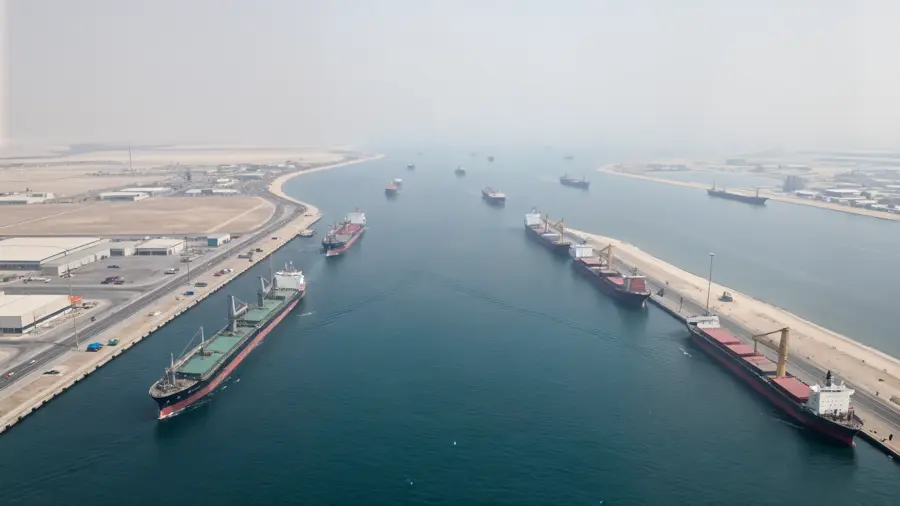
A narrow stretch of water between Iran and Oman has become the focal point of a months-long disruption to global energy flows. The Strait of Hormuz, the only sea route out of the Persian Gulf, carries about a quarter of the world’s oil trade and roughly a fifth of global liquefied natural gas supplies. In 2025, nearly 20 million barrels of oil a day moved through the strait, according to the International Energy Agency.
The current disruption traces back to late February 2026, when Iran declared the waterway closed and began steering ships through its own territorial lanes after attacks by the United States and Israel. A U.S.–Iran ceasefire on 7 April halted major combat, but Iran kept up efforts to control passage, attacking vessels that did not comply. Traffic fell sharply. On 4–6 August, between eight and 15 ships crossed the strait on some days, a fraction of the roughly 130 transits recorded before the conflict, ship-tracking service MarineTraffic reported.
In late June, the U.S. Navy’s Joint Maritime Information Center announced a widened transit corridor near Oman, allowing more naval traffic in both directions and presenting a direct challenge to Iran’s claim to manage the waterway. Tankers have since been seen using the Omani side of the strait under U.S. military protection, CNN reported on 19 August.
The latest diplomatic standoff centers on reopening the passage. Iranian Foreign Minister Abbas Araghchi said on 10 August that while Iran and Oman were close to an agreement, the strait would not reopen until Washington eased sanctions on Tehran and paid war reparations, Al Jazeera reported. Oil markets have priced in the uncertainty. Brent futures for October stood at $84.11 a barrel on 10 August, up 0.7 percent.
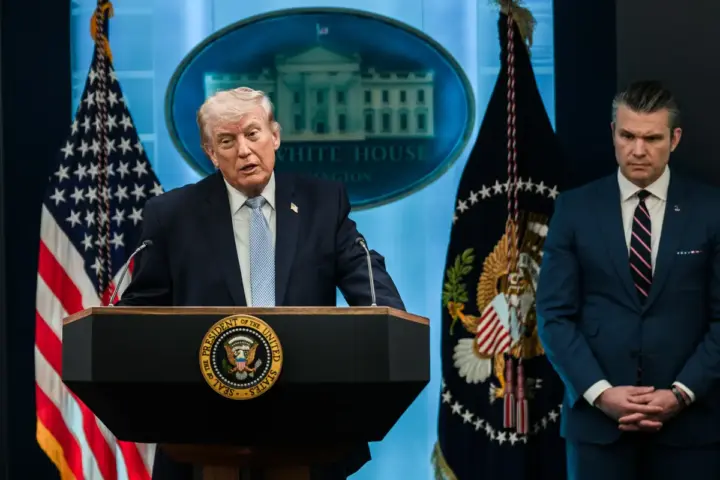
The United States has widened its campaign beyond the waterway. President Donald Trump has threatened what he termed an “economic D-Day” against Iran, and Beijing — Tehran’s major trading partner — has rejected the pressure, NPR and CNN reported on 21–22 August. Analysts at the Federal Reserve Bank of Dallas have modeled the inflationary effect of a prolonged closure, while other analysts say the disruption creates an oil shock but not a broad, lasting supply-chain crisis.
Only Saudi Arabia and the United Arab Emirates have pipelines that can bypass the strait, with about 3.5 to 5.5 million barrels a day of spare capacity, the IEA noted. For most Gulf exporters, the strait remains the only practical outlet. The standoff has left shipping companies, insurers and oil buyers weighing higher costs against the risk of operating in contested waters as negotiators weighed terms for reopening one of the world’s most important energy corridors.