 Tejal Somvanshi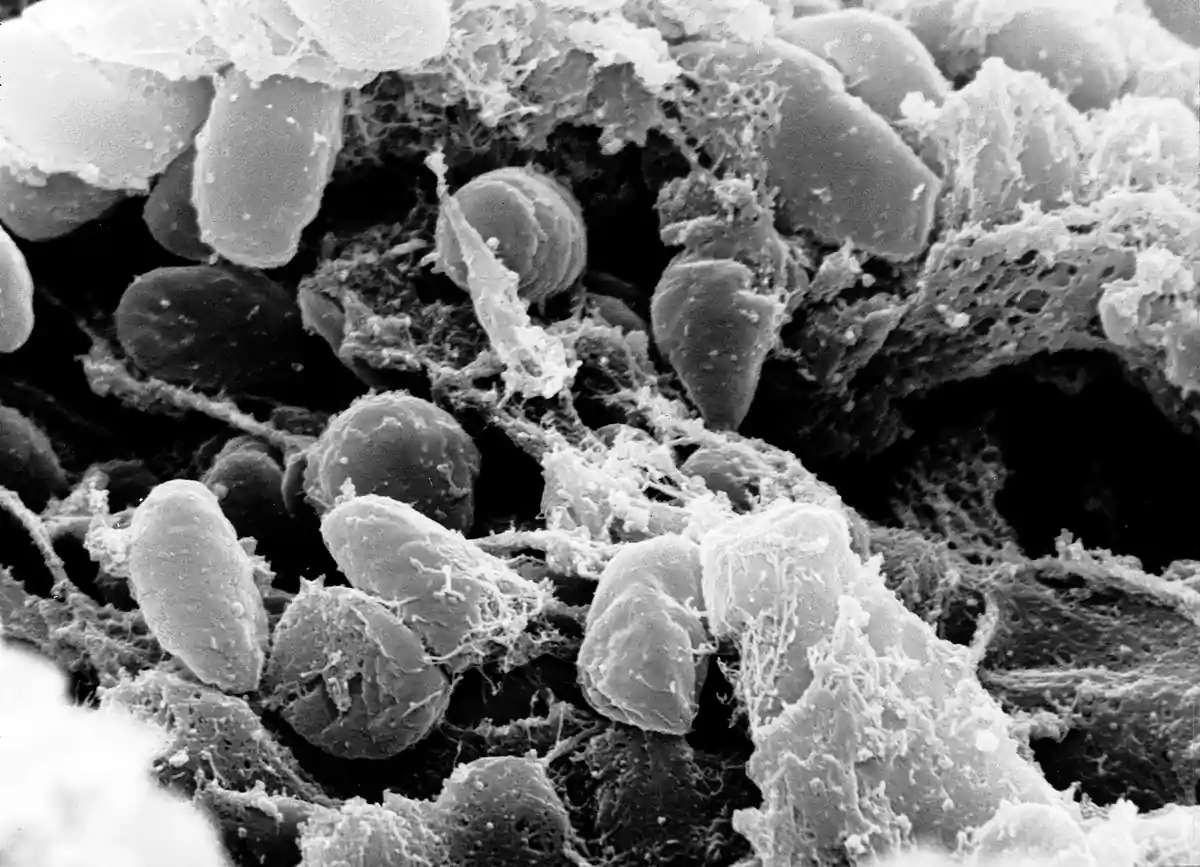
New details have emerged around the death of a Siberian lab worker at Russia's anti-plague research institute, with the United States saying it is willing to help — while Russian health authorities now report that preliminary testing has not identified any microorganisms linked to the worker's professional activities in the case.
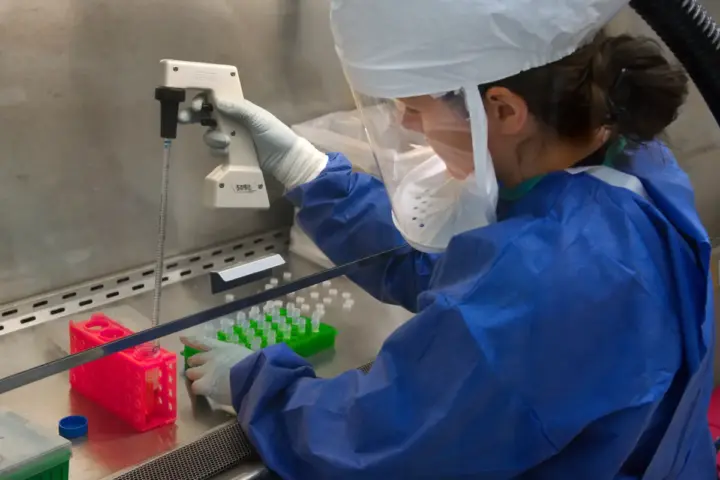
Since Karmactive reported the death of [the 28-year-old female laboratory technician at the Irkutsk Anti-Plague Research Institute of Siberia and the Far East](https://www.karmactive.com/?p=278910) on October 5, two significant developments have occurred. Russian federal health agency Rospotrebnadzor has stated that testing found no microorganisms associated with the woman's professional activity and that no accident involving pathogenic microorganisms was recorded at the facility. Her official diagnosis remains "pneumonia of unknown etiology." Separately, the White House confirmed it was monitoring the situation and evaluating options, and President Trump said the United States was willing to help. The State Department called on Russian authorities to share information openly. About 197 people who may have been exposed were placed under observation or quarantine.
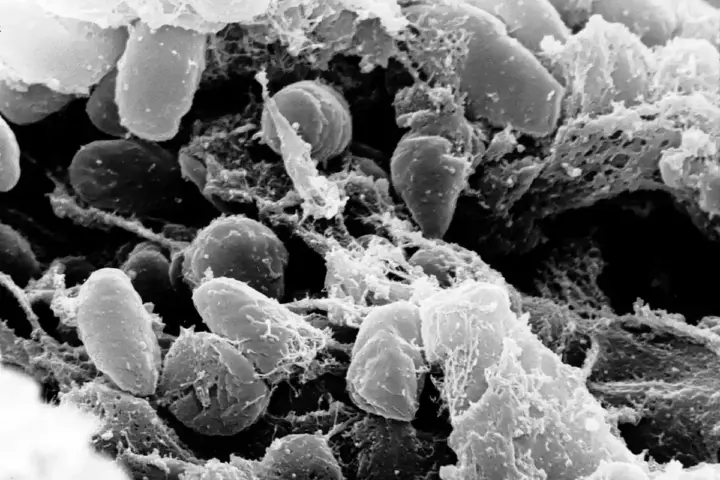
For the public monitoring news of the Siberian incident, no evidence of international spread had been reported by health authorities as of October 6. Unlike respiratory viruses, pneumonic plague is caused by the bacterium *Yersinia pestis*, which remains highly vulnerable to standard, widely stockpiled antibiotics like doxycycline. No secondary symptomatic cases had been confirmed outside the facility in the latest available reporting.
The case involves two distinct issues that reporting has sometimes blurred. Untreated pneumonic plague can progress rapidly and may become fatal within days; prompt antibiotic treatment significantly improves survival. Bubonic plague, spread by infected fleas, does not transmit between humans in the same way. Rospotrebnadzor's statement that no microorganisms linked to her professional work were found means the pneumonic plague hypothesis remains officially unconfirmed — a fact that changes the story significantly from how it was initially characterized in international headlines.
The White House and State Department response reflects attention to Russian biological research facility safety during a period of scrutiny over the handling of dangerous pathogens. Two contacts reportedly tested positive for COVID-19 and two for rhinovirus — findings unrelated to plague that authorities said do not establish infection with the bacterium. For additional context on biosecurity and Soviet-era pathogen facility protocols, see Karmactive's [explainer on Russia's anti-plague institute network].
Rospotrebnadzor's statement that the sanitary and epidemiological situation in the Irkutsk region "remains stable" and that no laboratory accident involving pathogenic microorganisms had been detected underscores that the monitoring of contacts reflects precautionary public-health practice rather than evidence of an active outbreak.
Is there a confirmed plague outbreak in Russia?
No. Russian health authorities have described the worker's illness as pneumonia of unknown origin, and preliminary testing reportedly found no microorganisms linked to her professional activity at the facility. The nearly 200 contacts under monitoring are a precautionary public-health measure. No secondary symptomatic cases had been confirmed among the monitored contacts in the latest available reporting.
Plague public-health protocols typically include a monitoring period for close contacts. No secondary symptomatic cases have been confirmed. Check back for updates as Russian health authorities release further test results and the monitoring period closes.