 Karmactive Staff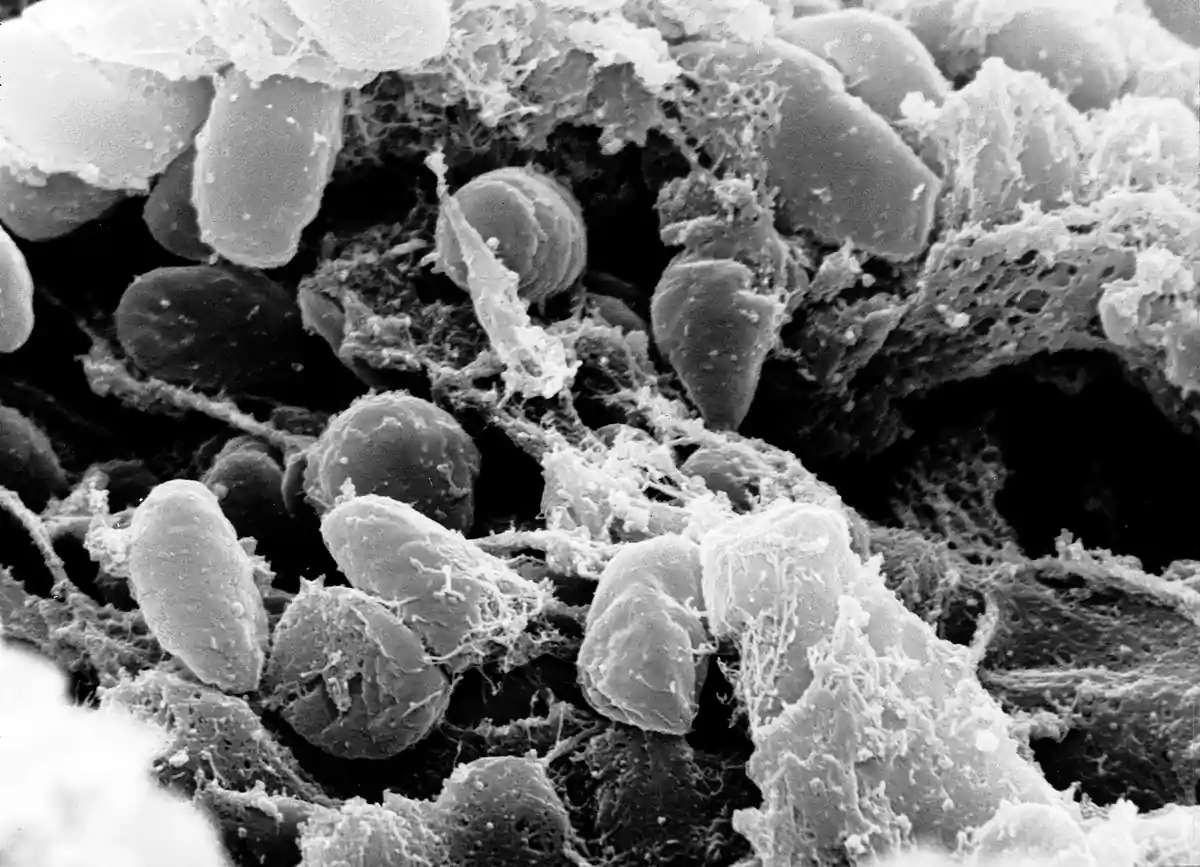
A 28-year-old laboratory worker at a Russian government biological research facility in Irkutsk has died, and approximately 197 people who had contact with the worker are now under isolation and observation. Russian media and some officials raised the possibility of plague as the cause. Rospotrebnadzor — Russia’s federal public health authority — reported the death as pneumonia of undetermined etiology and stated that no laboratory accident involving pathogenic microorganisms was found. The situation is being monitored internationally.
The Irkutsk Anti-Plague Research Institute of Siberia and the Far East is a Rospotrebnadzor facility that conducts research on especially dangerous infections, including pathogens associated with natural foci in the surrounding region. The exact circumstances of the researcher’s exposure have not been officially confirmed. Rospotrebnadzor described controls in place and a stable epidemiological situation among those under monitoring.
No secondary transmission has been detected in the surrounding community as of this report. Health authorities described controls for all identified contacts. This is a developing situation and official findings may change.
Understand that this incident, as officially described, is a localized event under active monitoring — not a confirmed community outbreak. Plague is caused by the bacterium Yersinia pestis and is treatable with antibiotics when diagnosed promptly. Early treatment is important. No evidence of community transmission has been publicly reported, and travelers to the Lake Baikal or eastern Siberia region should monitor international health advisories for any updates.
What authorities have confirmed and what remains uncertain
Rospotrebnadzor’s reported position is that the death involved pneumonia of undetermined etiology and that no laboratory accident was identified. Separately, some Russian officials and media outlets raised suspected plague as the suspected diagnosis. A confirmed diagnosis requires laboratory results that Russian authorities have not yet made public.
The distinction between “suspected plague” and confirmed plague matters significantly for public risk assessment. The coverage of this incident internationally has reflected that uncertainty, and it is essential not to collapse an unconfirmed suspicion into a confirmed outbreak until health authorities say otherwise.
The institute studies natural plague foci in the surrounding region, where the bacterium is associated with wild rodent populations. This is the standard scope of an anti-plague research institute’s work.
The World Health Organization’s existing guidance on plague confirms that the disease can spread between people through respiratory droplets after close contact with a pneumonic case, that it is treatable with antibiotics, and that early treatment improves outcomes. The incubation period for plague is generally 1 to 7 days.
The quarantine status of the approximately 197 contacts will be a key indicator to watch. If no secondary cases emerge within the relevant incubation window, authorities are likely to begin releasing monitored individuals from observation.
Related reporting and primary sources: broader Russia-related context; WHO plague guidance.