 Govind Tekale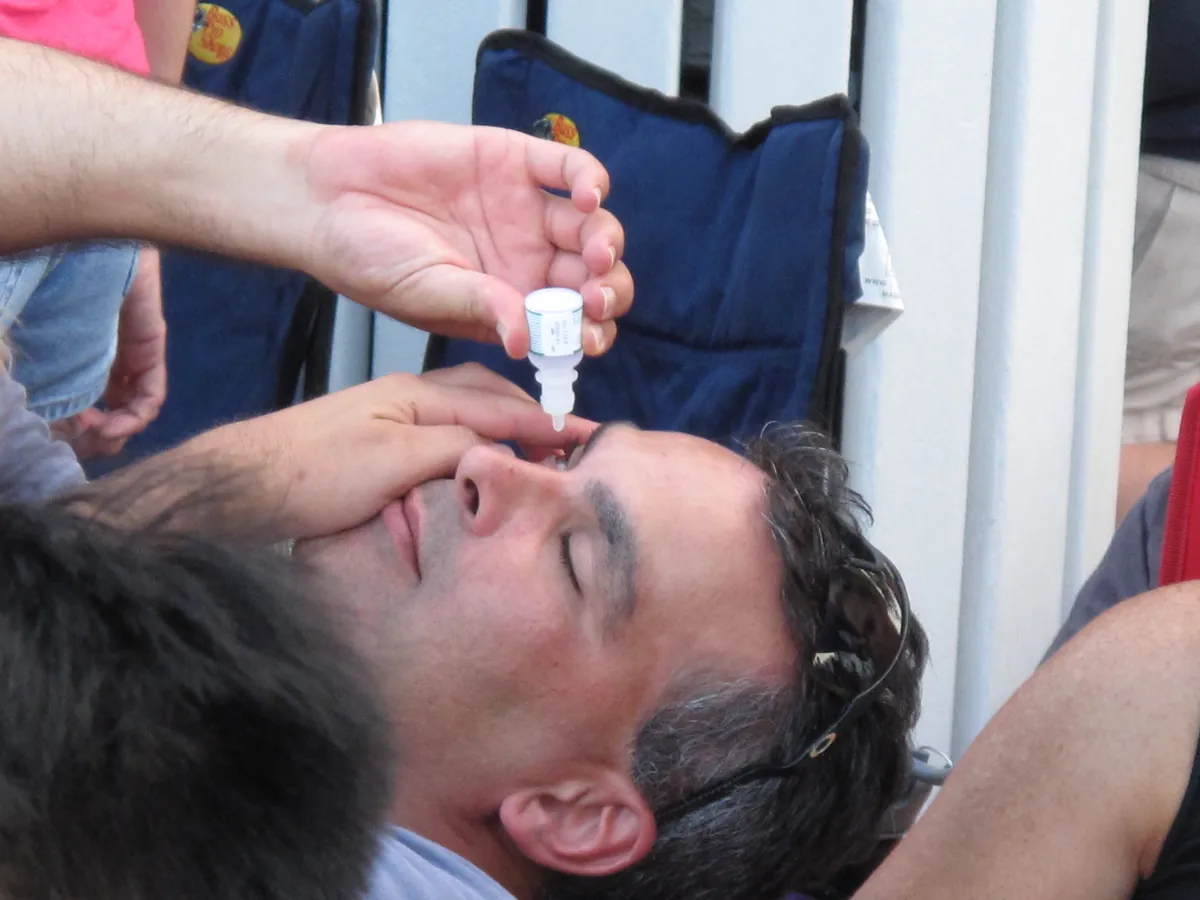
More than 500,000 Walgreens-branded lubricant eye drop products are being pulled from store shelves following an FDA recall tied to manufacturing problems at the plant that makes them. If you use Walgreens store-brand artificial tears or lubricant drops, you need to check whether your specific product is affected.
The recall covers Walgreens Lubricant Eye Drops, part of a broader action involving nearly 750,000 total ophthalmic products made by Sterling Pharmaceutical Services LLC at its facility in Dupo, Illinois. The Walgreens-branded portion comprises approximately 301,114 individual bottles and 199,600 twin packs. The FDA classified this as a Class II recall, meaning there is a remote possibility of serious harm or a chance of temporary adverse effects. Sterling initiated the recall on August 20, 2026, and the FDA classified it on September 21.
Stop using any Walgreens-branded lubricant eye drops that match the recalled identifiers and check the current FDA enforcement record at FDA.gov for the specific lot numbers and product identifiers. Compare your product against the recall notice before deciding to stop use and return it. Follow the instructions in the recall notice for the remedy and contact information. Contact an optometrist if you have been using a recalled product and experience redness, discharge, increased light sensitivity, or blurred vision — nonsterile ophthalmic solutions carry a risk of eye infection and irritation when applied directly to the eye.
What “lack of sterility assurance” means
The reason for this recall is lack of sterility assurance — meaning the manufacturing process could not be verified as meeting sterility standards, not necessarily that bacteria were confirmed inside consumer bottles. The recall reason is a manufacturing quality problem, not a reported infection outbreak in users of these products.
When product sterility cannot be confirmed by the manufacturer, the FDA requires a recall even without confirmed contamination in distributed products. The logic is straightforward: eye drops must be sterile because they go directly onto corneal tissue, and products whose manufacturing controls failed verification cannot be labeled as sterile.
This is why the classification is Class II rather than the more severe Class I. The 2023 outbreak involving Pseudomonas aeruginosa-contaminated eye drops from a different manufacturer — which caused dozens of severe infections and multiple deaths — involved confirmed bacterial contamination in distributed consumer products. This Walgreens recall involves a different scenario: a manufacturing quality verification failure, not a confirmed outbreak.
For consumers buying store-brand eye drops at major pharmacy chains, the practical guidance is the same in either case: check your lot numbers against the recall notice, stop using recalled products, and see an eye doctor if you have symptoms.
Related reporting and primary sources: FDA ophthalmic-recall reference; FDA manufacturing warning.