Sunita Somvanshi
The U.S. Department of Justice announced on October 5, 2026, that it has filed civil lawsuits seeking to revoke the citizenship of 40 naturalized Americans in federal courts across the country. Attorney General Todd Blanche described it as "the largest denaturalization effort in modern history." The announcement has raised concern among naturalized citizens about the security of their status.
The DOJ's Civil Division Office of Immigration Litigation filed the 40 denaturalization complaints between August 21 and October 2, 2026, across multiple federal district courts. The cases involve individuals the government alleges obtained citizenship illegally or through concealment or misrepresentation during the naturalization process. Alleged conduct across the cases includes espionage and acting as a foreign agent, sexual offenses against minors, immigration fraud and identity misrepresentation, financial crimes, and violent offenses including voluntary manslaughter. The Justice Department explicitly noted in its press release that the filings are allegations and do not constitute a determination of liability — meaning no one has yet been legally stripped of citizenship as a result of these actions.
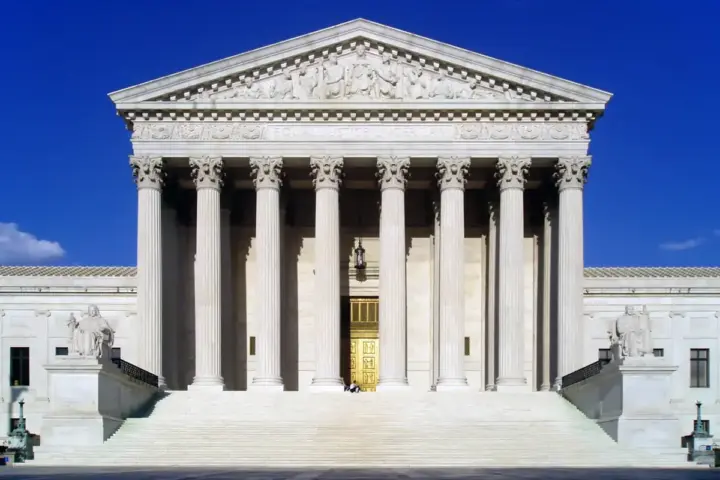
For roughly 24 million naturalized U.S. citizens, this historic DOJ filing marks an aggressive enforcement posture but does not eliminate constitutional safeguards. The federal government cannot strip citizenship for crimes committed years after naturalization. Under Supreme Court precedent, the government must prove in federal court — with clear, unequivocal, and convincing evidence — that an applicant intentionally lied about a disqualifying crime or fact during their original application. Routine paperwork errors or post-naturalization legal issues remain protected from civil denaturalization actions.
The Legal Threshold: Why Post-Oath Crimes Don't Qualify
Under 8 U.S.C. § 1451(a) — the section of the Immigration and Nationality Act governing revocation of naturalization — the federal government can only denaturalize a citizen by proving one of two things in federal court: that citizenship was obtained through illegal means, or that the applicant engaged in willful misrepresentation of a material fact during the application process.
The Supreme Court narrowed this standard further in Maslenjak v. United States (2017), ruling that any misrepresentation must have been material to the granting of citizenship — not merely incidental. A lie on Form N-400 about a minor matter that would not have changed the outcome cannot form the basis for revocation.
Civil denaturalization cases are bench trials, not jury trials. A federal judge decides the outcome, and the government must meet the evidentiary burden of "clear, unequivocal, and convincing" evidence.
What happens after revocation also matters. A final denaturalization order can restore the person's prior noncitizen status — which may include lawful permanent resident status — potentially exposing them to separate removal proceedings under the Department of Homeland Security. Removal is not automatic. For broader context on how federal immigration enforcement has evolved under the current administration, see Karmactive's coverage of [immigration policy changes and their effect on visa and residency holders]. A full breakdown of [what the denaturalization legal process looks like in federal court] is also available.
The 40 complaints cover a range of alleged conduct — including espionage-related activity, identity misrepresentation, and violent crimes — all of which the government alleges either rendered individuals ineligible for citizenship or involved concealment of material facts at the time of naturalization. Whether the evidence meets the statutory and constitutional standard will be determined in each case separately by a federal judge.
Under what circumstances can naturalized U.S. citizenship be revoked?
Under 8 U.S.C. § 1451, U.S. citizenship can only be revoked if a federal court finds the individual procured it illegally or through willful misrepresentation of a material fact. The government must prove the applicant concealed disqualifying criminal conduct, used a fraudulent identity, or lacked statutory eligibility at the time of naturalization. Post-naturalization crimes alone are not grounds for revocation.
The 40 cases will proceed through separate federal district courts, with each judge independently reviewing the evidence. The earliest-filed complaints date to August 21, 2026. Each case will be decided separately by a federal judge. Check back for updates as the cases develop.