 Karmactive Staff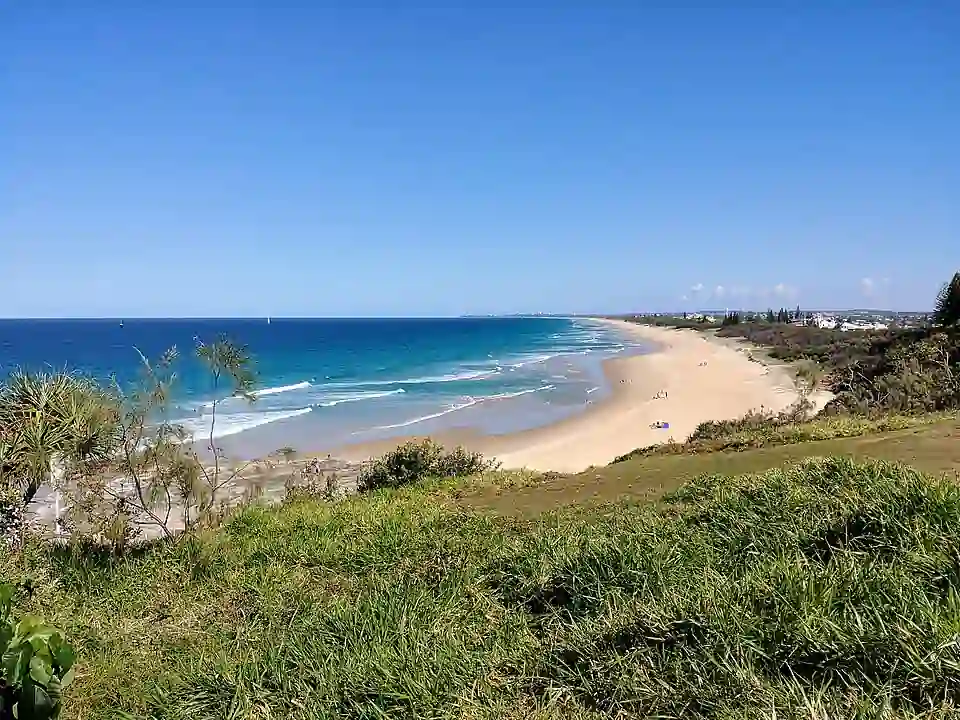
A dog walk at midnight on Wurtulla Beach turned into an overnight military operation that woke coastal Queensland residents before dawn. What a dog walker spotted at the base of a sand dune on October 4 turned out to be a World War II-era artillery shell still capable of detonating after more than 80 years in the ground.
Queensland Police established a beach exclusion zone after the walker reported the object to emergency services. The Australian Defence Force’s Explosive Ordnance Disposal team assessed the shell — an approximately 11-kilogram World War II-era 25-pound high-explosive projectile — as unsafe to move. Specialists conducted a controlled detonation at around 4 a.m. Wurtulla Beach reopened once the exclusion zone was lifted that morning.
For beachgoers along the Sunshine Coast, emergency services confirmed the controlled detonation was carried out and the exclusion zone has been lifted. However, coastal erosion and tidal activity can return buried ordnance to the surface, and locals discovering encrusted metallic or cylindrical objects should never touch them and should immediately call Triple Zero (000) for specialist ADF disposal.
The Sunshine Coast region hosted Allied military activity during World War II. When seasonal tidal currents or storm surge strips material from dune faces and shallow offshore areas, rounds that have been buried for decades can return to the surface.
The ADF’s decision to detonate in place rather than transport the shell was consistent with standard explosive ordnance disposal practice for unstable historic rounds found near residential areas.
If you find a metallic or cylindrical object on any Australian beach, do not touch it, move it, or try to identify it. Back away and note landmarks or GPS coordinates, then call Triple Zero immediately. ADF explosive ordnance disposal teams are trained and equipped to assess the find. The only correct action before they arrive is distance.