 Sunita Somvanshi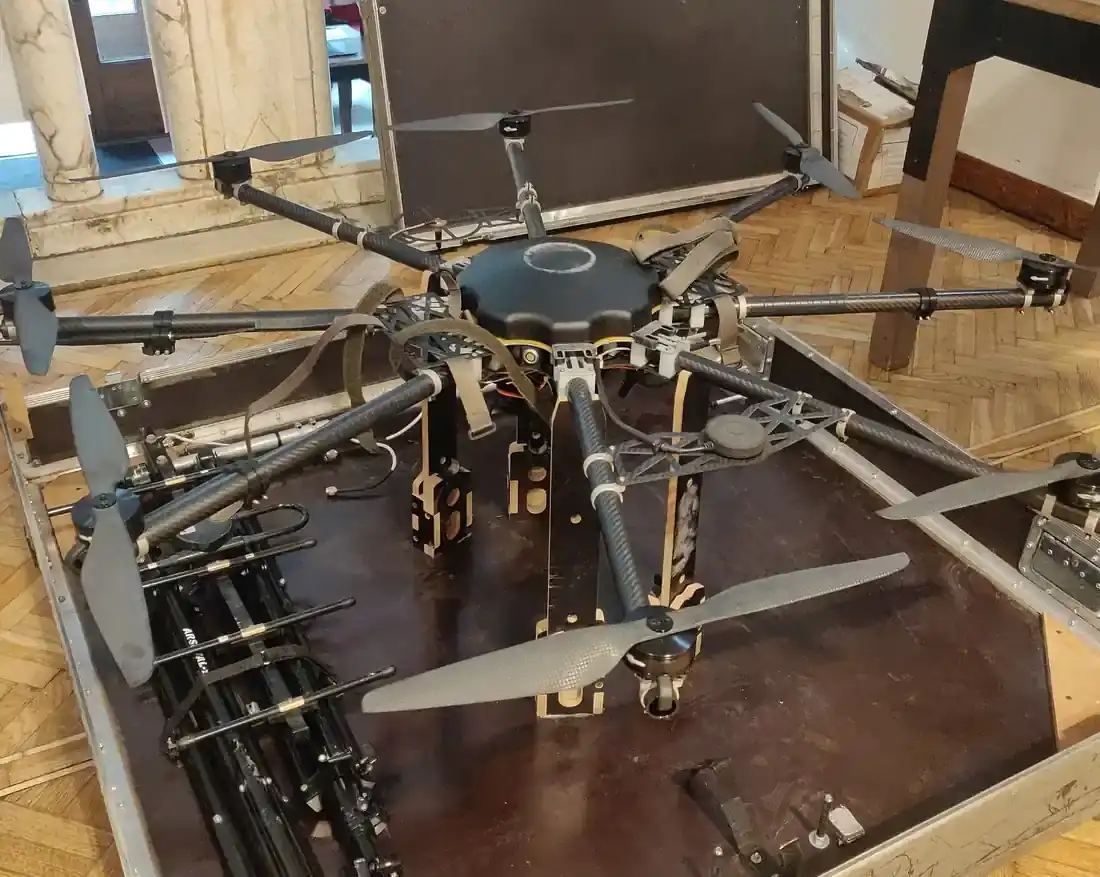
On September 9, Ukrainian drones reached targets more than 3,000 kilometers into Russian territory. That's roughly the distance from London to North Africa. The targets were gas processing plants in Russia's far north, in the Yamalo-Nenets region—an area distant from the battlefield.
Ukraine's Special Operations Forces claimed responsibility for hitting the Novy Urengoy and Purovsky condensate processing plants. These aren't small facilities. Novy Urengoy processes 19.5 million tonnes of raw gas material annually. Purovsky handled 13.4 million tonnes of gas condensate in 2025. Together, they represent roughly 15 percent of Russia's annual condensate output according to Ukrainian sources.
What happens in these plants matters beyond Russian borders. They separate natural gas into different products: stabilized condensates that refineries use, light hydrocarbons for chemical production, and natural gas for transmission networks. Disruption to these facilities ripples through European and Asian energy markets that depend on Russian supply.
The Russian response was revealing. Governor Dmitry Artyukhov acknowledged a drone attack and a fire at Novy Urengoy. He said falling drone debris caused the fire and reported no casualties. Notably, he did not confirm Ukraine's claim of successful strikes on the condensate plants themselves or provide an operational damage assessment.
What he didn't do was claim the strike was repelled or that damage was minimal. The official statement acknowledged the attack and fire but stopped short of addressing Ukraine's operational claims.
This changes calculations for both countries. Drones demonstrated capability to reach distant strategic infrastructure. For Russia, critical energy infrastructure now requires defense at distances previously considered secure. For Ukraine, the strike demonstrates extended reach. For Europe and Asia, the implications are concerning. Russia supplies significant portions of their natural gas. Any sustained disruption to condensate processing affects market prices and availability. Oil and gas markets were already volatile before this strike. Further disruptions could push prices higher.
Getting a drone to travel more than 3,000 kilometers and reach a specific target represents genuine technical achievement. Whether it will change the war's trajectory is unknown. But it's changed the geography of vulnerability in this conflict.