 Tejal Somvanshi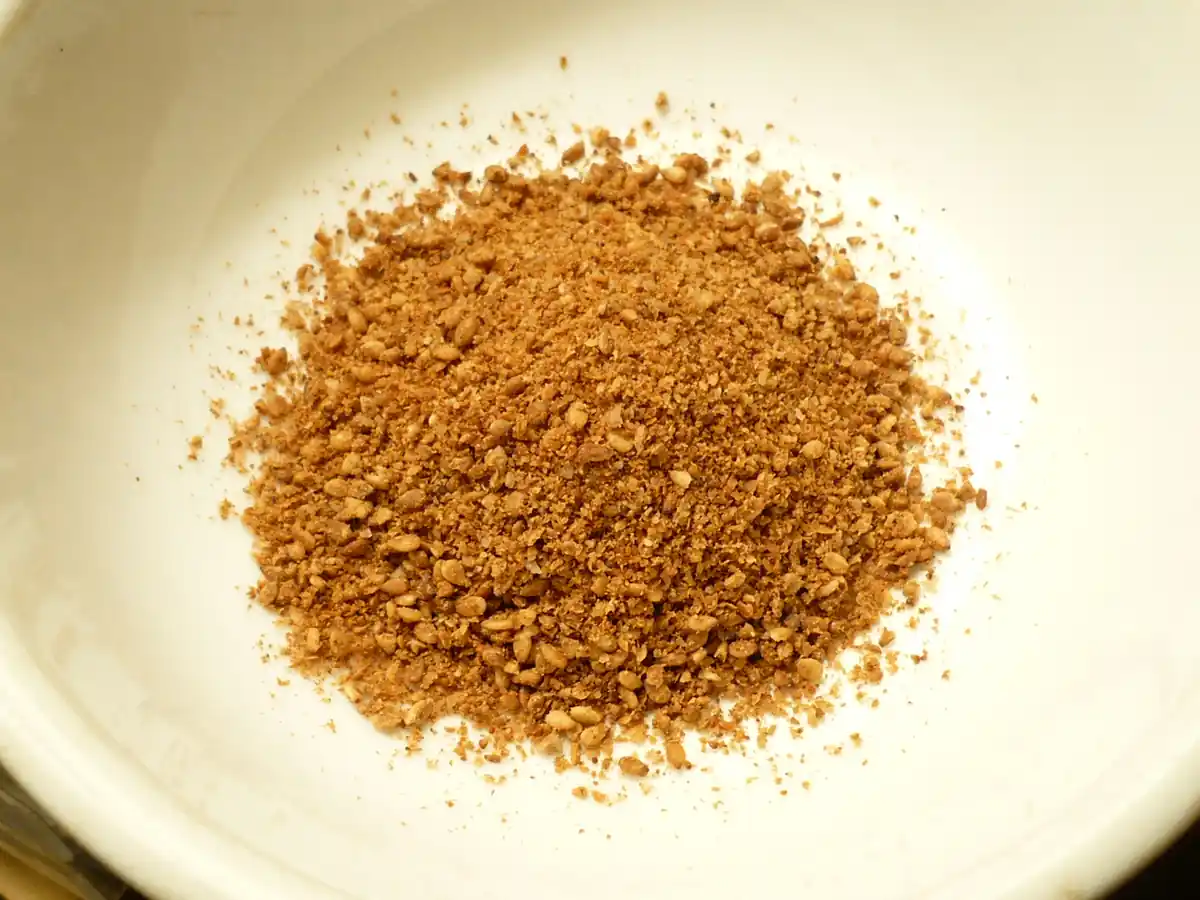
People often hear that milk is the best way to build strong bones, but that’s incomplete advice. Calcium is essential for bone strength, true, but the full picture includes other foods, different nutrients, and factors that many articles skip over.
Peak bone mass is generally reached in early adulthood, after which bone loss can occur with age. For most adults 19–50 years old, the recommended daily amount of calcium is around 1,000 milligrams of elemental calcium. Women over 50 and men over 70 need approximately 1,200 milligrams daily. But here’s what matters: the calcium you eat is only part of the story.
Several non-dairy foods contain significant calcium. Whole unhulled sesame seeds contain approximately 975 milligrams of calcium per 100 grams. Finger millet, also called ragi, contains about 340 milligrams per 100 grams. Certain leafy greens like collards have calcium your body can absorb. Tofu set with calcium sulfate provides bioavailable calcium. Fish with edible bones—like sardines and canned salmon where you eat the bones—delivers both calcium and vitamin D in one package.
But there’s an important consideration that matters: bioavailability. That word means how much of the calcium you eat your body can actually absorb and use. It’s not enough to eat calcium; your body needs to absorb it. Some foods contain compounds that bind to calcium and can prevent absorption. Raw sesame seeds and ragi contain compounds that can limit how much calcium your body actually absorbs compared to the raw mineral content. Cooking and processing methods can affect calcium availability, but raw numbers alone don’t tell the complete story.
Vitamin D is important for calcium absorption. Your body needs vitamin D to use calcium efficiently. Sun exposure triggers vitamin D production in your skin. Fatty fish, egg yolks, and fortified milk contain dietary vitamin D. Many people face vitamin D deficiency, especially with limited sun exposure.
Other nutrients like magnesium and potassium play roles in bone health as part of overall nutritional adequacy. They’re components of a healthy diet rather than singular bone-building solutions.
Here’s what research actually shows about calcium supplementation: studies examining combined calcium and vitamin D supplementation in postmenopausal women found that while bone mineral density improved in some measured areas, overall clinical fracture risk reduction was not significant in all populations studied. That nuance is important. Thicker bones don’t guarantee fewer broken bones if other factors are weak.
Resistance exercise and weight-bearing activity matter as much as nutrition for bone strength. Your bones respond to the stress you place on them. Walking, jogging, weight training, and even dancing stimulate bone adaptation and density maintenance. People who are sedentary may experience bone mass loss more quickly, making regular activity important.
For Indian readers, traditional foods like ragi, sesame seeds, and other locally available calcium sources can be part of a balanced approach. Combining adequate calcium intake with vitamin D, regular physical activity, and overall nutritional adequacy gives you the most practical approach to bone health.
The practical takeaway: focus on calcium intake from multiple sources, ensure adequate vitamin D and overall nutrition, stay physically active, and maintain reasonable health habits. It’s not about replacing milk or finding one magic food. It’s about a complete approach.