 Sonali Tiwary
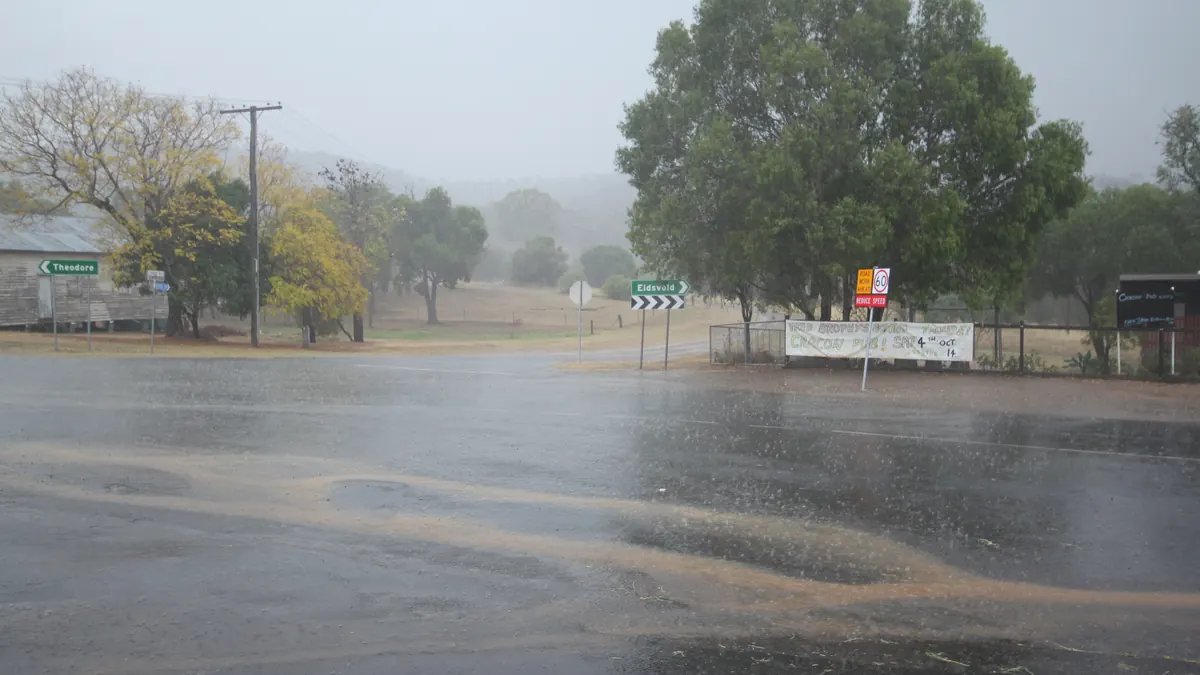
Heading out this afternoon? Storms are forecast for South East Queensland, and flash flooding could turn a normal drive into a dangerous one. On the morning of 26 October, six people were rescued from floodwater at a public campground in Leyburn, on the Darling Downs.
The Bureau of Meteorology (BOM) said further storms could develop over Brisbane, the Gold Coast and the Sunshine Coast. Severe storms are likely west of Ipswich and across the eastern Darling Downs. Emergency services received the first reports at about 7.45am, according to National Tribune. Flash flooding happens quickly, often with little warning.
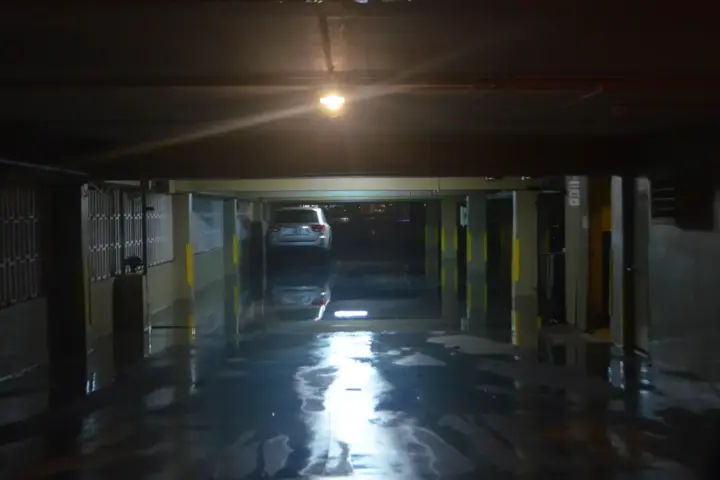
For people travelling across South East Queensland, the afternoon drive carries risk. Heavy rain can overwhelm drains and creeks quickly, then spill onto main roads. Water that looks shallow can still sweep a car off the road. Do not drive through floodwater. If a road is covered, turn around and take another route.
Why flash floods are dangerous
Flash flooding is faster than river flooding. A river rises over days. A flash flood can rise in hours, sometimes in minutes. Wet ground acts like a full sponge. Once it cannot hold more water, extra rain runs straight off the surface and into streets and creeks.
Fast-moving water can knock an adult off their feet at depths well under a metre. Never walk or drive into it. For emergencies, call 000. For flood and storm help in Queensland, call your local State Emergency Service (SES) unit.
What areas in QLD are flooding right now? Flash flooding is local, so check the BOM warnings for your area before you leave. Rescue crews have been called to Leyburn on the Darling Downs. BOM has said storms could also develop over parts of South East Queensland. For real-time warnings, see our flood safety checklist and how to read a BOM warning.
Check back for updates.