 Sunita Somvanshi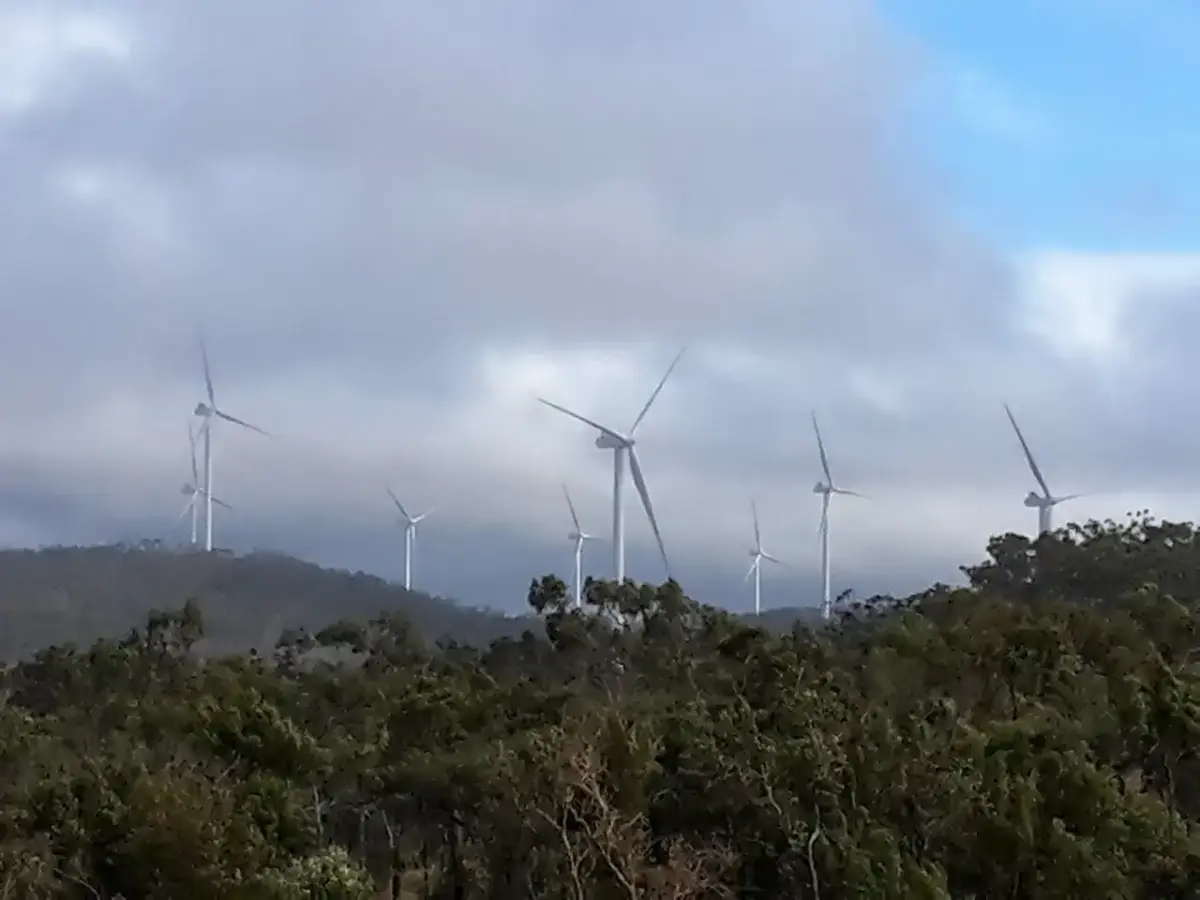
Australian renewable energy developers are facing a significantly changed federal approval environment. The federal government has overhauled the EPBC Act assessment pathway for renewable energy projects, introducing a 30-day assessment target. A National Renewable Energy Priority List is also in operation, designed to accelerate key projects through planning and approval processes faster.
This is not a bypass of environmental assessment. It is a streamlining of the process — a meaningful distinction for developers managing approval timelines.
The EPBC Fast-Track Pathway
Australia's Environment Protection and Biodiversity Conservation Act governs federal environmental approvals for renewable energy projects with significant impacts. The government has overhauled the EPBC pathway to introduce a 30-day assessment target for eligible renewable energy projects. Wind, solar, battery energy storage, pumped hydro, and transmission infrastructure are covered under the accelerated framework.
Coal and gas projects are excluded from the renewable energy fast-track. The fast-track applies specifically to clean energy infrastructure.
DCCEEW's current material confirms that environmental assessment remains part of the approval process. Developers still prepare environmental impact information; the streamlining changes the processing timeframes and coordination between agencies, not the existence of the assessment itself.
The National Renewable Energy Priority List
DCCEEW maintains a National Renewable Energy Priority List that identifies projects considered nationally significant for Australia's energy transition. Projects on the Priority List receive elevated coordination and support through the approval system.
Priority listing does not remove assessment requirements. It provides a dedicated coordination pathway — a named contact point within DCCEEW, faster information exchange between agencies, and clear escalation processes when approvals stall.
The Priority List is a tool for developers who have projects ready to move but face coordination delays between federal, state, and local assessment bodies.
Offshore Wind: Where the Process Differs
Offshore wind projects in Australian federal waters operate under a separate framework. DCCEEW's current material specifies that developers who hold offshore wind feasibility licences cannot immediately build. They must complete further consultation, environmental studies, and assessment processes before receiving commercial licences that permit construction.
DCCEEW explicitly notes that receiving a feasibility licence does not mean construction can begin. Environmental information preparation for offshore projects can itself take up to 18 months as part of the standard process.
"Use It or Lose It" Conditions: Proposed, Not Yet Legislated
Industry reporting, including the Australian Financial Review in May 2026, has discussed proposed "use it or lose it" conditions for wind farm approvals, aimed at limiting developers from holding permits without commencing construction. These conditions have been discussed in policy circles and reported in the financial press.
However, a specific piece of enacted legislation establishing a fixed 18-month construction deadline with automatic permit revocation for all wind farm approvals could not be independently verified from current DCCEEW primary materials. Developers should monitor DCCEEW and state planning agency announcements for any formal legislative update.
Closure
Australia's renewable energy approval process is faster than it was. The 30-day EPBC pathway and National Renewable Energy Priority List are operational, benefiting wind, solar, storage, and transmission projects. Offshore wind remains subject to a separate, longer assessment framework before construction licences are available. Developers should confirm current approval requirements for their specific project category directly with DCCEEW. Further updates on any new "use it or lose it" legislation should be monitored as government policy develops.