Sunita Somvanshi
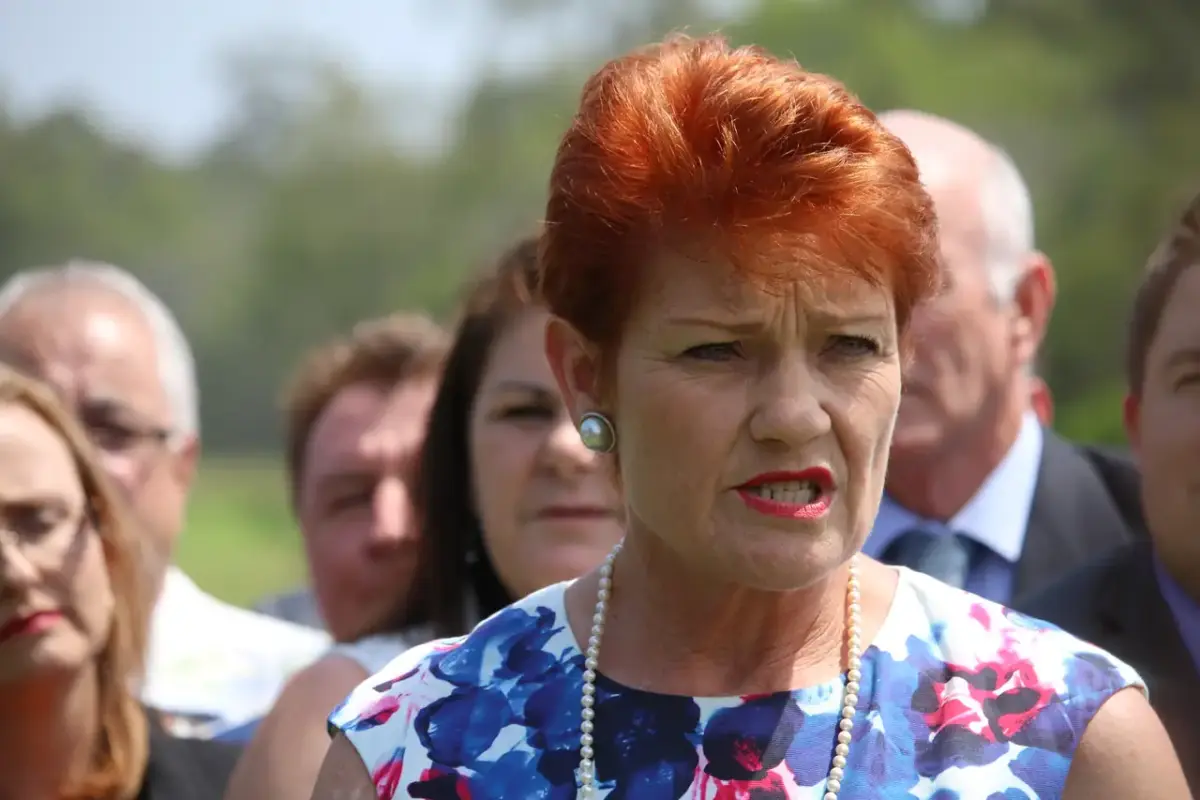
Australian Senator Pauline Hanson has issued a statement of regret following widespread bipartisan condemnation of comments she made about Indigenous Australians during a podcast appearance, describing them as “the most primitive race on Earth.”
The remarks, made during a podcast recording, drew immediate responses from government and opposition leaders including Prime Minister Anthony Albanese. Hanson subsequently issued a statement expressing regret for any hurt caused by her words. Senate Hansard records of the subsequent parliamentary exchanges confirm the apology was conditional in its phrasing — Hanson expressed sorrow “if people were hurt” while defending her broader political record and critique of Indigenous affairs programs.
For Australian citizens and community leaders watching parliamentary conduct, the bipartisan nature of the condemnation is notable. Both government and opposition leadership publicly criticised the remarks, with responses from Prime Minister Anthony Albanese and opposition leaders crossing party lines.
What Hanson Said
Pauline Hanson described Indigenous Australians using language that drew immediate condemnation from multiple parties. The specific phrase — describing Indigenous Australians as “the most primitive race on Earth” — was made during a podcast recording that became public and generated significant political reaction.
The characterisation drew formal parliamentary responses. Prime Minister Albanese condemned the remarks publicly. Opposition leaders also criticised Hanson, making the response unusually unified across party lines.
The Nature of the Apology
Hansard records — the official transcript of Australian parliamentary proceedings — document the subsequent exchange. Hanson’s response did not constitute an unconditional retraction of her views. The conditional phrasing of the apology (“if people were hurt”) means Hanson acknowledged an emotional reaction without withdrawing her substantive position. Unconditional and conditional apologies carry different parliamentary and public weight, and Hansard records the distinction clearly.
The timing of the apology preceded a scheduled Senate censure motion. Censure votes in the Australian Senate are formal expressions of parliamentary disapproval and, while they do not carry legal consequences, they carry political weight and are part of the parliamentary record.
Context in Australian Politics
Pauline Hanson leads One Nation, a minor party that has occupied a significant position in Australian Senate arithmetic at various points over the past two decades. Hanson has a documented history of controversial public statements about minority groups in Australia dating to her initial election to parliament in the 1990s.
The current episode is not the first time remarks from Hanson have generated bipartisan parliamentary condemnation. The pattern of controversial statement followed by qualified response followed by censure discussion has recurred across her political career.
Senate debates on Indigenous affairs funding and policy — covering health, education, land rights, and self-determination programs — continue as separate legislative matters. The Senate censure motion proceedings will be the next formal parliamentary development from this episode. Those proceedings will be reported as they occur.