 Tejal Somvanshi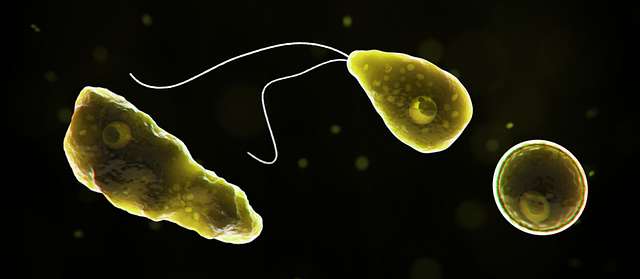
North Carolina health officials have completed their investigation into the source of a fatal brain infection caused by Naegleria fowleri — the amoeba that infects through the nose during contact with warm freshwater. The North Carolina Department of Health and Human Services identified an outdoor interactive water feature in Durham as the probable exposure site. Water from the feature’s storage tank tested positive for Naegleria fowleri DNA.
The NCDHHS investigation focused on an outdoor water feature at El Futuro, a community organization in Durham. The feature included an interactive stream with fountains, water pumps, and fire hydrant models. Water in the feature’s tank was measured at 91.4°F at the time of investigation — within the temperature range where Naegleria fowleri thrives. State inspectors found heavy algae growth, and the facility’s maintenance records showed only high-pressure washing and manual chlorination as water treatment. The feature lacked the permits required for recreational water facilities.
Naegleria fowleri does not infect through swallowing water or through skin contact. Infection occurs when contaminated water enters the nose and the amoeba travels to the brain, causing primary amebic meningoencephalitis — a condition that is almost always fatal. The infection has a death rate exceeding 97%.
If your children have played in outdoor water features, splash pads, or warm freshwater this summer — especially features that do not look like maintained swimming pools — the relevant precaution is preventing water from entering the nose. A nose clip is the most reliable protection during any submersion or face-splash activity in warm, unchlorinated water. You do not need to avoid all water. You do need to know that any warm, natural or recirculated freshwater with inadequate treatment can carry this risk, and that the specific feature in Durham met those conditions.
18 Days: From First Splash to Fatal Outcome
The timeline in this case is specific and documented. A 17-year-old was exposed at the water feature on August 13. Symptoms began on August 19 — six days later, consistent with the typical incubation period for Naegleria fowleri infection. The teen was diagnosed on August 26 and died on August 31. From first contact with the water to death: 18 days.
That timeline is not unusual for this infection. Naegleria fowleri infections progress quickly. Symptoms in the early days — headache, fever, nausea — resemble other illnesses. By the time the diagnosis is confirmed, treatment options are severely limited. Even with the best available care, the vast majority of recorded cases end in death. The speed of progression is why this infection generates public health attention even though reported US cases remain rare in any given year — typically under ten annually.
The El Futuro water feature has been closed. NCDHHS has not indicated that other water locations in North Carolina are currently under investigation in connection with this case. The investigation is ongoing.
How does Naegleria fowleri infect people? The amoeba enters through the nose — not by swallowing water. It travels along the olfactory nerve to the brain. Infection requires water directly entering the nasal passage. Submersion activities, face splashing, and jumping into water carry higher risk than simply swimming.
Families using recreational water this fall should review current CDC guidance on Naegleria fowleri prevention and check any water feature’s maintenance and permit status before allowing nose-level water contact. The NCDHHS investigation report is publicly available with the full exposure findings.