 Govind Tekale
Nolan Wells March: Families Demand DOJ Review After Grand Jury Declines Charges
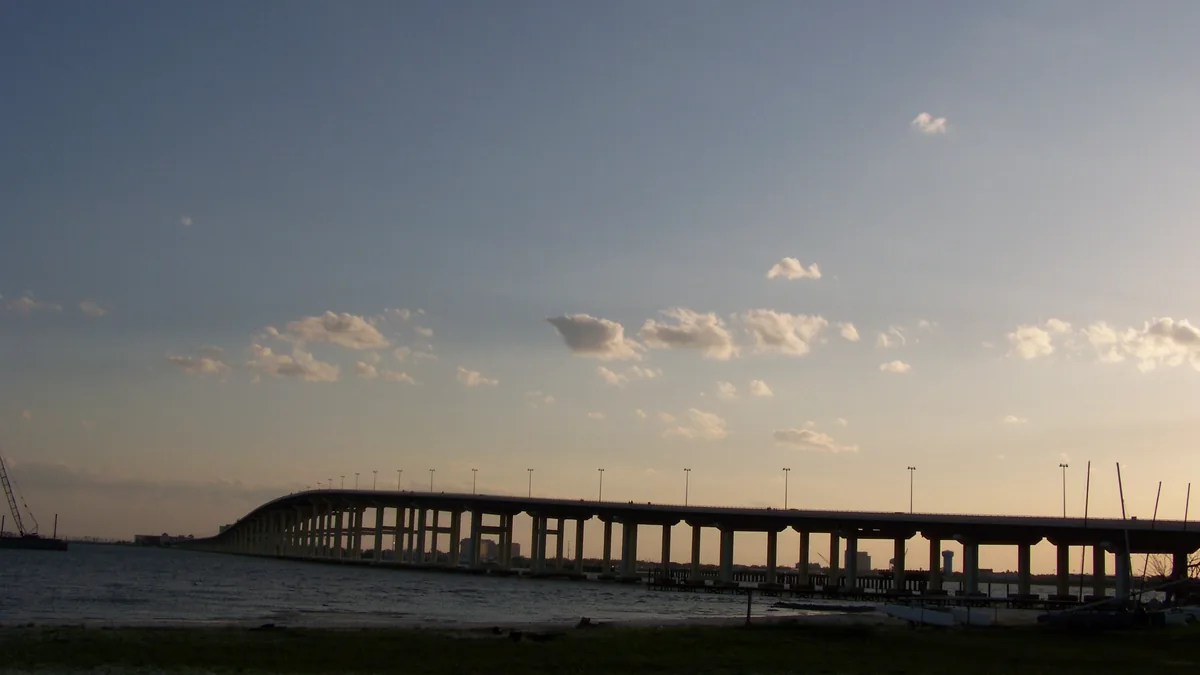
On November 1, 2026, hundreds of people crossed the Biloxi Bay Bridge from Biloxi to Ocean Springs, Mississippi. They walked to demand a federal review of the death of Nolan Wells. At the same time, a march in Baton Rouge, Louisiana, made the same call. The grand jury in the case declined to bring criminal charges in September 2026. Family members and organizers say the investigation was incomplete. They want the Department of Justice to open a civil rights probe before the November 3 midterm elections.
What Happened on November 1
Organizers said more than 500 people joined the Biloxi Bay Bridge march. They carried signs and chanted for justice. Speakers included Nolan Wells’ parents, who said the grand jury heard only the prosecution’s version of events. A parallel march in Baton Rouge drew several hundred people, according to local reports.
The organizers timed the marches to the November 3 election. They asked voters to remember Nolan Wells when they cast their ballots. The family has said it will keep pressing for a DOJ review regardless of the election outcome.
Background: Nolan Wells’ Death and Grand Jury Decision
Nolan Wells, 18, of Ocean Springs, was found dead on Horn Island on July 6, 2026, two days after a Fourth of July trip there. The cause and manner of death remain undetermined. In September 2026, a grand jury in Jackson County declined to indict anyone in connection with his death. The district attorney’s office presented evidence to the grand jury. The family’s attorney said the proceedings were one-sided. The family has called for transparency about what evidence was shown.
Authorities investigated a viral video of a heated confrontation on Horn Island but could not verify its connection to Wells’ death. The grand jury found allegations of a fight to be false. The Jackson County Sheriff initially stated no foul play was suspected. Both the Mississippi State Chief Medical Examiner and an independent forensic pathologist listed cause and manner of death as undetermined.
Organizer Strategy: Turnout and Accountability
The march organizers linked the November 1 events directly to voter turnout. They said people who care about accountability in law enforcement should vote on November 3. Several speakers connected the Wells case to broader concerns about police conduct and the lack of federal oversight in similar cases.
The Congressional Black Caucus sent a letter to Attorney General Blanche and FBI Director Patel in October 2026 urging a DOJ civil rights investigation. The letter said the grand jury process did not provide the transparency the family deserves.
What Comes Next
The family and organizers said they will continue to push for a DOJ review. They said the march was the start of a sustained campaign, not a one-day event. Local NAACP chapters have also said they will monitor the case.
If the DOJ opens a civil rights probe, it would be a separate process from the state grand jury. A federal investigation could examine whether Nolan Wells’ constitutional rights were violated.
Frequently Asked Questions
When did the Nolan Wells march happen? The main march across the Biloxi Bay Bridge happened on November 1, 2026. A simultaneous march took place in Baton Rouge.
What did the grand jury decide? In September 2026, the grand jury declined to bring criminal charges in connection with Nolan Wells’ death.
Why are organizers calling for a DOJ review? The family and their attorneys say the grand jury process was one-sided and did not examine all the evidence. They want a federal civil rights investigation.
How many people marched? Organizers said more than 500 people crossed the Biloxi Bay Bridge. Baton Rouge organizers said several hundred attended the parallel event.
The November 1 marches put the Nolan Wells case back in the public eye before the midterm elections. Whether the DOJ responds will be the next test of federal accountability in the case. For more on law enforcement accountability, see our earlier coverage.