 Govind Tekale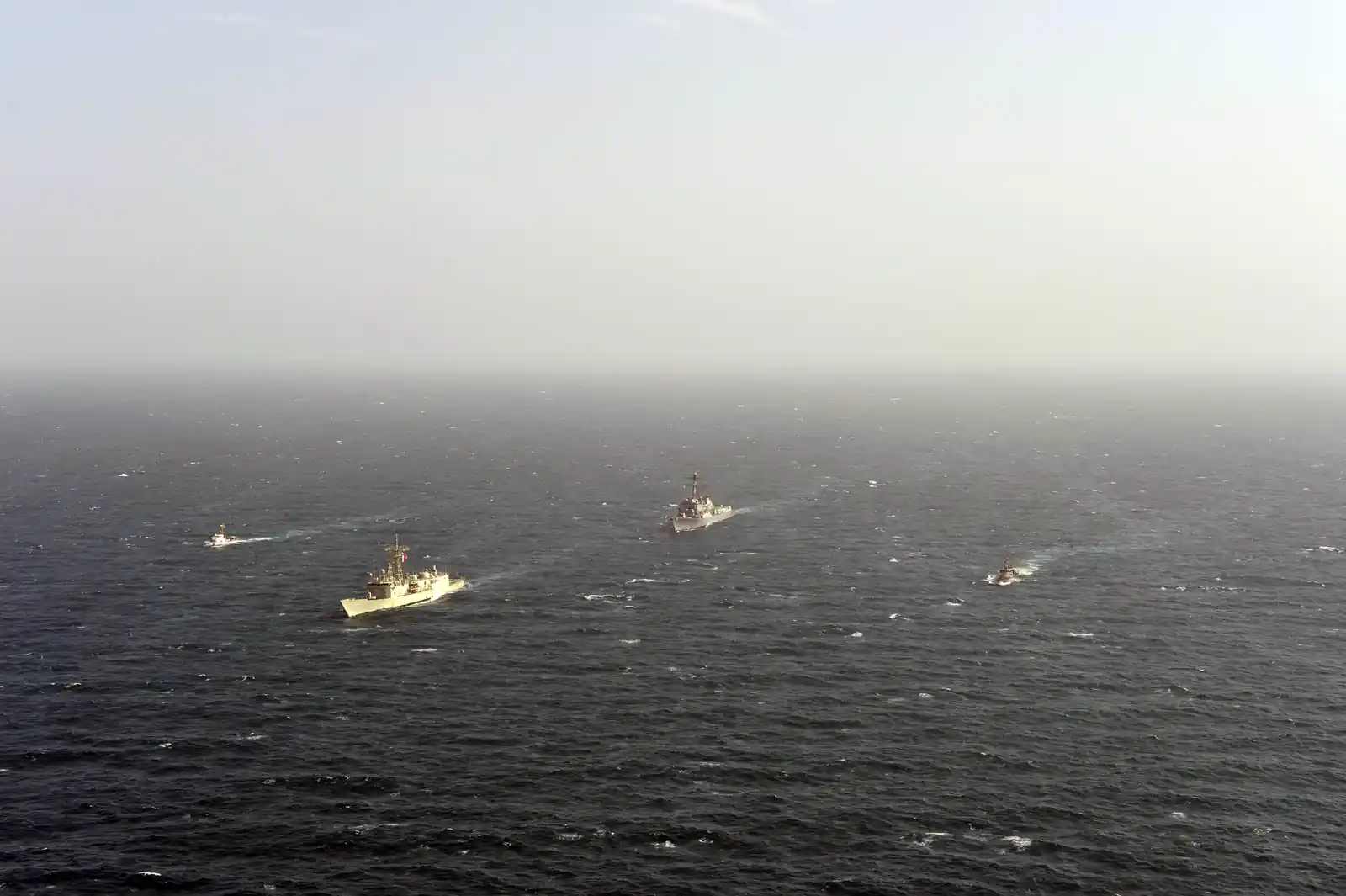
Fresh U.S. strikes on Iranian military targets and Iranian counter-attacks in the region have brought another escalation in the conflict. U.S. Central Command confirmed strikes on September 1, 2026 targeting IRGC facilities after Iranian attempts to mine the Strait of Hormuz and attack commercial shipping. This isn’t about geopolitics theory—it’s about practical consequences for global oil, shipping, aviation, and eventually, prices you pay at the pump.
What happened militarily
U.S. Central Command confirmed the September 1 strikes targeted IRGC air defense sites, radar systems, maritime assets, mine-laying capabilities, and communications sites. Iran’s IRGC issued a warning that it would respond with “heavier, more widespread, and devastating” attacks. The U.S. deployed air defense systems across the region—Patriot batteries, THAAD missiles, and naval Aegis systems—to intercept incoming threats. Multiple exchanges over recent months have escalated the situation to where observers are asking whether a diplomatic path remains viable.
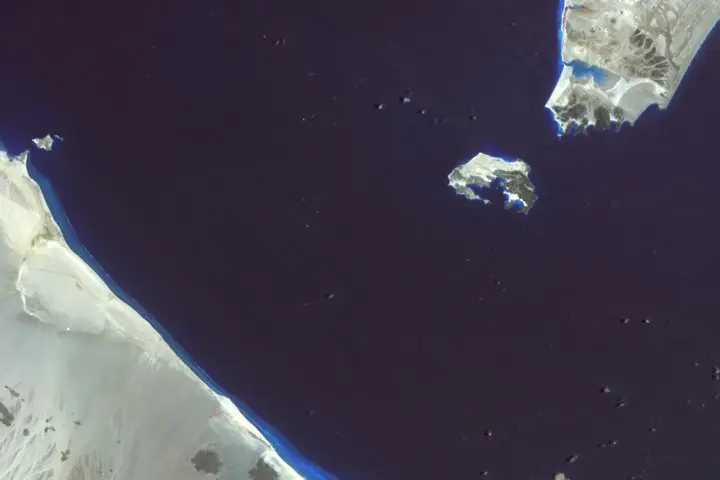
The Strait of Hormuz problem
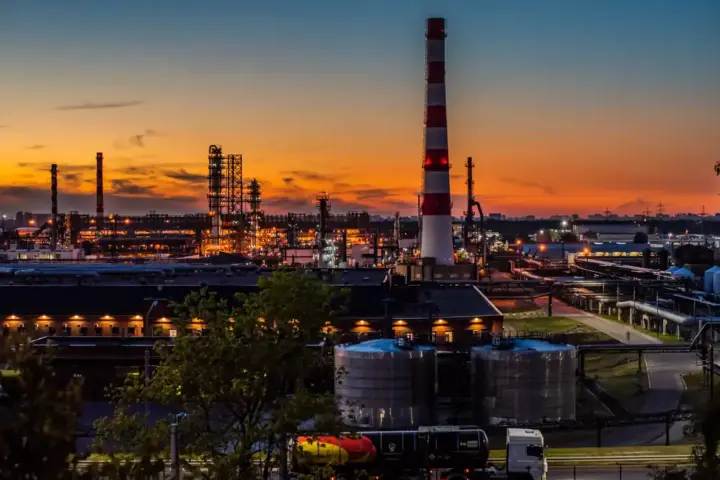
Before the current conflict disrupted regional shipping, the Strait of Hormuz carried about 20 to 21 million barrels of oil per day—roughly one-fifth of global petroleum consumption. EIA data shows Hormuz flows fell sharply to 4.9 million barrels per day in the second quarter of 2026 as the conflict severely disrupted transit. When military tension rises in the Persian Gulf, shipping gets risky. Insurance companies apply elevated war risk premiums for commercial vessels operating in the region. Higher insurance and shipping costs can add to the cost of transporting goods.
This cascades through supply chains. Reduced oil throughput, higher delivery costs, and rerouted tankers put upward pressure on fuel prices in markets that depend on Hormuz-route supply.
Aviation is rerouting
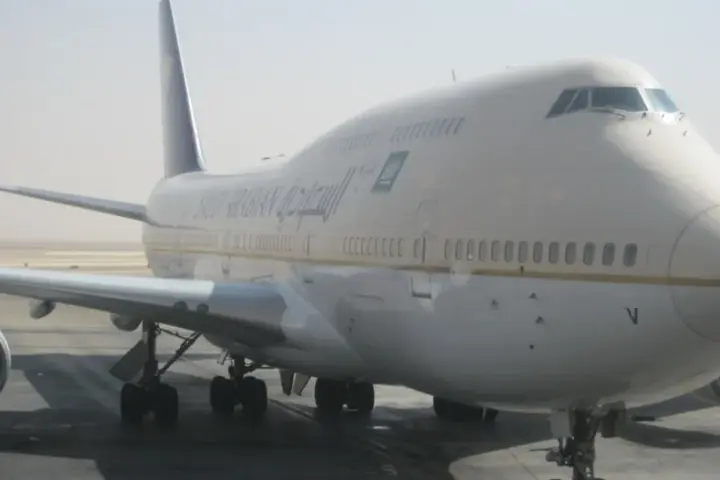
Civil aviation authorities issued Notices to Airmen (NOTAMs) telling passenger and cargo flights to avoid certain airspace corridors over the Middle East. Airlines are adding flight hours—longer routes around danger zones. That means more fuel burned, higher ticket prices, and delayed cargo deliveries.
What officials are saying
U.S. Central Command publicly documented its operational response. Iran has made statements about proportional and continued retaliation. Neither side is claiming this is resolved. The UK government’s current Iran travel advisory describes the Middle East situation as unpredictable and warns that attacks could resume without warning.
What you might not have connected
Rising war risk premiums add to the cost of commercial shipping in the Persian Gulf. Manufacturers importing components via this route pay more. Consumer products can eventually reflect disruption in regional shipping corridors. These are mechanical supply-chain effects, not guaranteed outcomes, but they are already visible in tanker rates and shipping insurance costs.
The honest assessment
This isn’t a prediction—it’s describing documented cause-and-effect that is already in motion. Some tankers are already taking alternative routes. Some airlines are already burning extra fuel on longer paths. Some cargo is moving more slowly. Those real-world adjustments have ongoing economic consequences.
The situation remains active and escalatory, not resolved. That matters for global supply chains and your wallet.