 Rahul Somvanshi
Trump AI CEOs Sign Voluntary Safety Pact, Back Data Center Expansion Amid Energy Fears
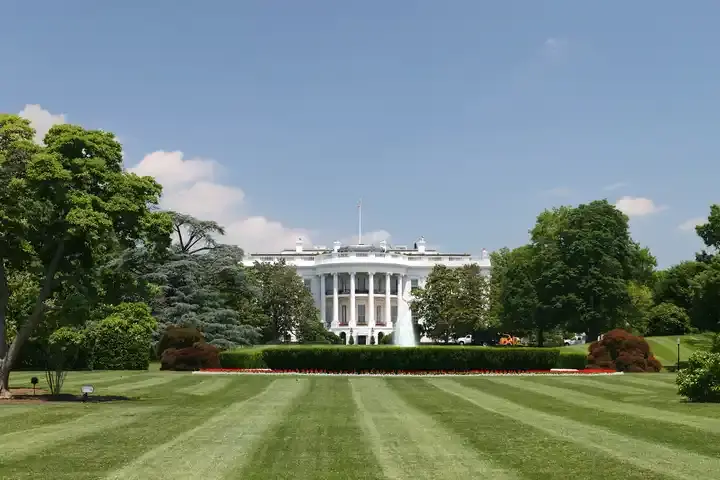
Your electricity bill just got a new driver. Trump and AI CEOs signed a voluntary safety pact at the White House today, and the side deal backing massive data center expansion has direct consequences for household energy costs. The accord pledges AI companies will “self-police” their own development. There is no enforcement mechanism. No penalties. No government oversight. And the data centers that agreement enables are already pushing up demand on US power grids.
At the White House today, Trump announced that top tech firms including OpenAI and Anthropic had signed the accord. He declared he would “never stifle the growth of technology.” The pact calls on companies to test AI systems for safety risks before release. It stops short of any legal requirement. The CEOs present committed to voluntary standards only.
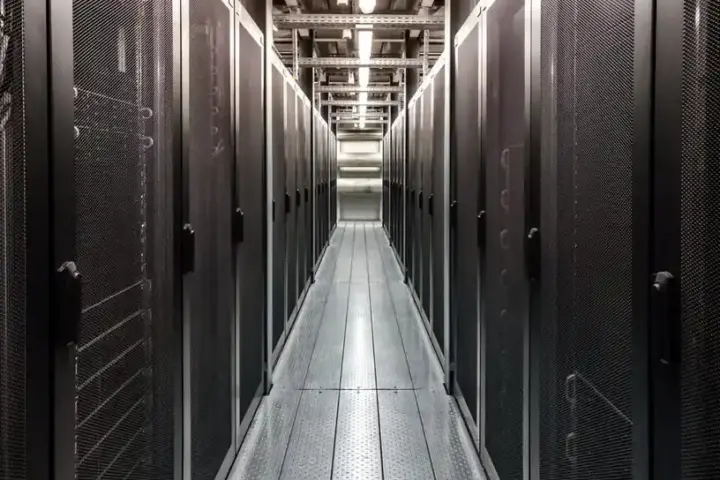
The deal comes alongside a push to expand data center capacity across the US. Trump has backed massive data center builds, framing them as economic winners. The White House also expanded a voluntary pledge to protect consumers from high utility bills tied to AI data center demand. AP reported the expansion covers commitments from tech firms on energy cost transparency.
The electricity math is stark. Data centers already consume roughly 2-3% of US electricity. That share is projected to double by 2030 as AI compute demand surges. Grid operators from California to Virginia have warned of strain. Fossil fuel plants are being reactivated to meet the load. Every new megawatt of data center capacity translates into higher rates for residential customers.
### The Voluntary Gap
The pact’s core weakness is its voluntary nature. No regulator can compel an AI company to follow the safety commitments. No fines apply for skipping them. No independent audit verifies compliance. The BBC noted that safety researchers warn voluntary pacts have failed before in tech — social media content moderation and facial privacy pledges both collapsed without enforcement.
The energy thread compounds the problem. Data centers use enormous electricity and vast amounts of water for cooling. The US Department of Energy projects data center water consumption could triple by 2030. Communities near data center clusters in Virginia, Arizona, and Ohio already report strained water supplies and higher utility rates. The voluntary pact addresses none of this.
Democrats have pushed back hard. The Hill reported Schumer and Dems are fighting to kill an Ohio Republican’s data center bill. The political fight over AI regulation is now entangled with energy policy and consumer costs.
Trump rejects AI laws outright. Sky News quoted him saying he will never stifle technology growth. The message is clear: expansion first, rules later. The environmental consequence is the unstated cost that no outlet is centering the story on.
“Almost like a constitution”: Trump and tech giants sign “morally binding” AI pact on safety measures, The Economic Times reported. The word “constitution” sits oddly next to “morally binding” — the pact has no legal force, no enforcement, no penalties. It is a promise on paper from companies with a history of resisting regulation.
**Is the Trump AI Safety Pact Legally Binding?**
No. The accord is described by the White House and media as “morally binding,” not legally enforceable. There are no penalties for non-compliance, no regulatory oversight body, and no mandatory safety standards. The pact relies on voluntary commitments from AI companies alone, which is why Democrats and safety advocates have criticized it as ineffective.
The White House eyes more data center agreements, Politico reported. Energy price spikes are already pushing utilities to seek rate hikes. The voluntary AI pact clears the way for massive data center expansion without mandatory energy efficiency standards. Consumers will see the impact on their monthly bills before any safety benefit materializes, if it materializes at all.
The official announcement is expected in October. Check back for updates on which states are first affected and whether Congress acts on the energy cost link.