Karmactive Team
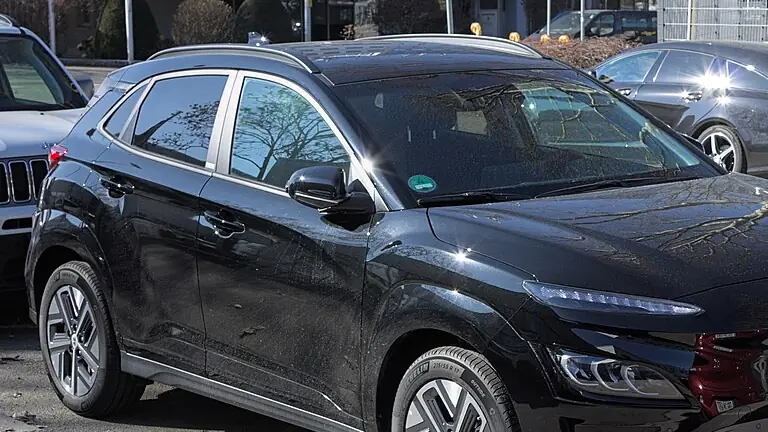
A software defect in the Airbag Control Unit of 37,901 Hyundai vehicles can shut off airbags and seat belt pretensioners without warning. The Hyundai Kona Electric airbag recall 26V728—filed with NHTSA on November 4, 2026—covers cars already 3 to 7 years old. Owners do not need to wait for a letter arriving January 1, 2027. The VIN lookup went live November 6, 2026, and the dealer fix is free regardless of warranty status. See related Karmactive recall coverage.
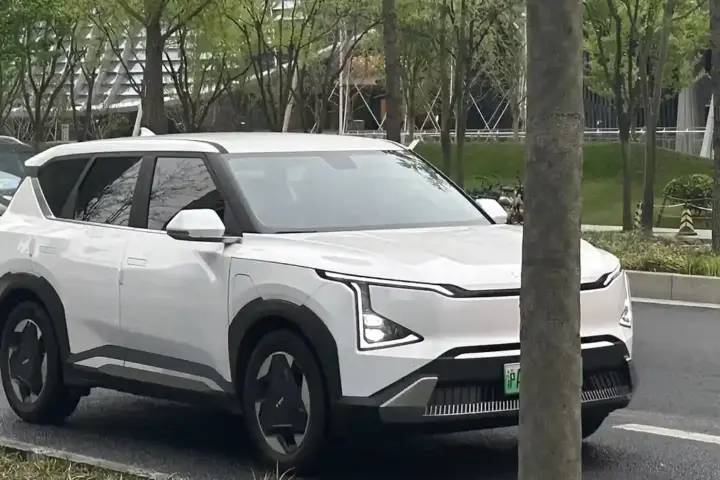
NHTSA recall 26V728, also logged as Hyundai Recall 311, covers two model lines: 29,058 model-year 2019–2023 Hyundai Kona Electric crossovers, built August 28, 2018 through July 26, 2023, and 8,843 model-year 2019–2022 Hyundai Veloster N cars, built September 6, 2018 through August 18, 2022. That is 37,901 US vehicles in total. Hyundai logged 331 unique incidents between October 3, 2019 and September 24, 2026. The company confirmed zero US crashes, fires, or injuries linked to this defect. No “Do Not Drive” advisory has been issued.
If your airbag warning light turns on, your airbags and seat belt pretensioners may already be deactivated—meaning they would not protect you in a crash. Run your VIN now at NHTSA.gov/recalls, eight weeks before January 1, 2027 owner letters arrive. If your vehicle is affected, call a Hyundai dealer to schedule the free ACU software update. The fix is covered even if your factory warranty has expired. Owners who already paid out of pocket for this specific repair can ask Hyundai about reimbursement.
How the ACU Defect Works and What the Timeline Looks Like
The Airbag Control Unit manages airbag deployment and seat belt pretensioner activation. During normal operation, the ACU writes data to its internal memory. If a system reboot or power interruption happens mid-write, that memory can become corrupted. Once corrupted, the ACU illuminates the airbag warning light on your dashboard and deactivates both airbags and pretensioners. The corruption is not self-correcting—the warning light stays on until a dealer installs the updated ACU software. Hyundai’s manufacturer report was submitted November 2, 2026. NHTSA acknowledged the recall November 4, 2026, and VINs became searchable on NHTSA.gov/recalls on November 6, 2026. Owner notification letters are scheduled to mail January 1, 2027. The remedy is a free software update applied at any authorized Hyundai dealer.
All 37,901 recalled vehicles are between 3 and 7 years old and out of production. The Kona Electric’s current generation replaced the recalled model line, and the Veloster N was discontinued. That means a large share of these vehicles have changed hands and their second-hand owners may no longer visit Hyundai dealerships for routine service. Those owners are especially unlikely to receive the January 1, 2027 mailed notice if Hyundai’s address records are outdated. Checking the VIN online now takes under a minute and closes that gap entirely.
NHTSA recall 26V728 covers 37,901 US vehicles: 29,058 model-year 2019–2023 Hyundai Kona Electric crossovers and 8,843 model-year 2019–2022 Hyundai Veloster N cars. The Kona Electric production window ran August 2018 to July 2023; the Veloster N ran September 2018 to August 2022. The ACU software defect can deactivate airbags and seat belt pretensioners after a mid-write power interruption corrupts ACU memory. Zero US injuries have been reported across 331 logged incidents. The fix is a free dealer software update with no warranty restriction and a reimbursement path for prior paid repairs.
To confirm your vehicle, call the NHTSA Vehicle Safety Hotline at 1-888-327-4236 or search NHTSA.gov/recalls directly. As of November 7, 2026, Transport Canada had not issued a parallel recall for Canadian Kona EV owners—check Transport Canada’s recall database if you are in Canada. For more context, see another Karmactive safety report.