Rahul Somvanshi
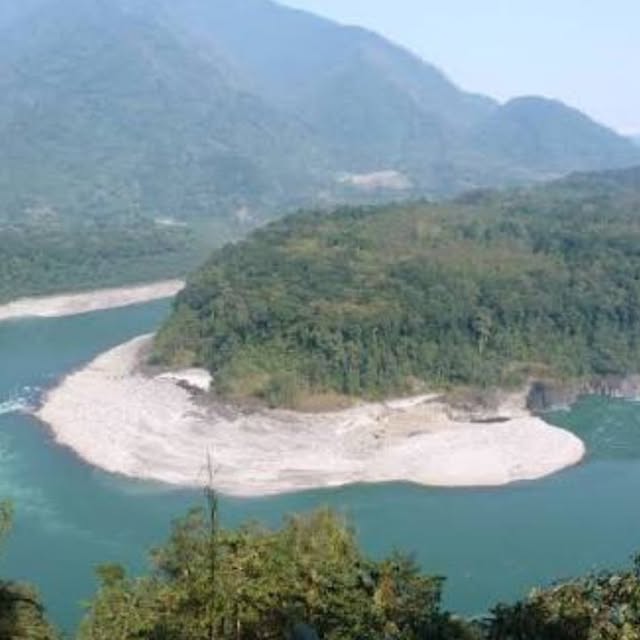
India’s Forest Advisory Committee has recommended Stage-I forest clearance for the 1,000-MW Naying Hydroelectric Project in Arunachal Pradesh, putting 470.8 hectares of forest in the Siyom River landscape on the diversion path.
The project is proposed by the North Eastern Electric Power Corporation (NEEPCO) in the Tato and Payum areas of Shi Yomi and Siang districts. The Ministry of Environment, Forest and Climate Change’s PARIVESH record identifies the proposal as a 1,000-MW project over 470.8 hectares. A Stage-I recommendation is an in-principle step, not the final end of every environmental and forest approval.
What is known about the forest footprint
Reports on the FAC recommendation put the affected tree count at more than 100,000. The project has drawn concern because the forest sits in an ecologically sensitive Himalayan river landscape and because hydropower infrastructure can affect river connectivity, sediment, fish habitat, wildlife movement and downstream flows.
Those potential impacts are not a finding that every claimed effect will occur. They are why project-specific environmental assessment, baseline surveys, mitigation conditions and public disclosure matter before construction begins.
Compensatory afforestation is not a like-for-like replacement
The project’s reported compensatory-afforestation plan covers 942 hectares in Madhya Pradesh, far from the proposed diversion area. Planting trees elsewhere can be a legal compliance measure, but it does not recreate an old forest’s location, river ecology, wildlife corridors, soil systems or local cultural relationships. The central policy question is therefore not simply whether the planted area is larger, but whether the clearance conditions adequately address the ecological loss at the project site.
What Stage-I clearance means
Forest diversion is a staged process. An FAC recommendation normally precedes a formal in-principle approval with conditions; final forest clearance depends on those conditions being met. The project may also require separate environmental, wildlife, water and other permissions. Each step should be open to scrutiny through project documents, compliance reports and monitoring data.
For communities and conservation groups, the immediate questions are practical: Which forest compartments are affected? What do the fish and wildlife surveys show? What minimum flow and sediment measures are proposed? How will affected villages be consulted and protected? And how will conditions be enforced once work starts?
Sources: the PARIVESH project record; TransClew reporting; and the submitted Reading Room carousel, used as a source lead.