Rahul Somvanshi
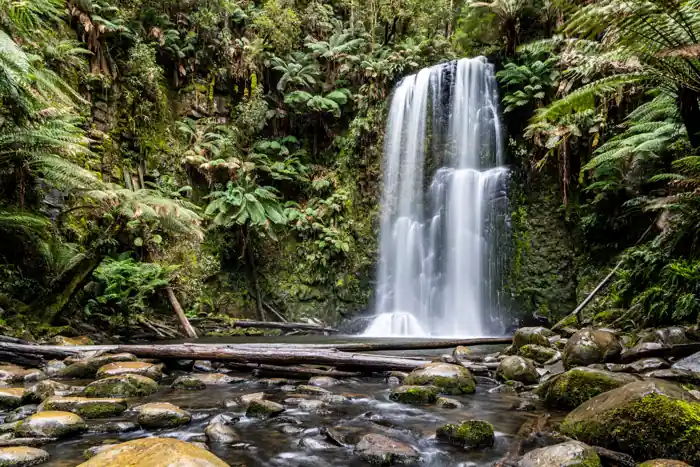
A small creek can produce electricity day and night, but it is not “free electricity.” Micro-hydropower needs dependable flow, vertical drop, a safely designed intake and pipe, electrical protection, permissions and a plan to leave enough water for the stream itself.
The physics: head and flow
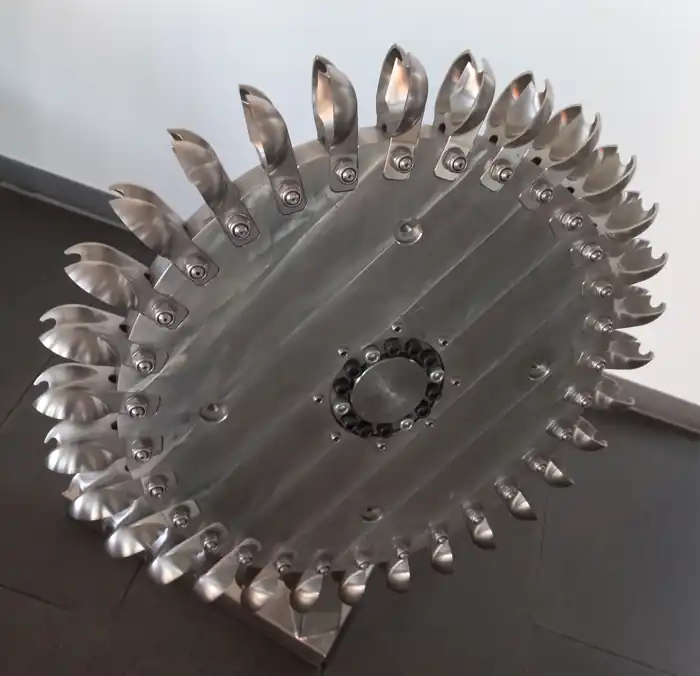
A run-of-river micro-hydro system diverts a portion of water through a screened intake and a pressure pipe, known as a penstock. The vertical drop—its head—turns gravitational energy into pressure. A nozzle converts that pressure to a high-speed jet, which can drive a Pelton or Turgo wheel; the spinning shaft turns a generator.
Output is governed by power = water density × gravity × flow × net head × efficiency. A 30-metre (roughly 100-foot) head produces about 43 psi at the bottom before pipe losses. But head alone does not yield 1 kW. With about 60% overall efficiency, a 1-kW system at that head needs roughly 5.7 litres per second of flow—about 90 US gallons a minute—available reliably after ecological flow needs are met. A smaller trickle produces far less power.
Why a small turbine can still matter
Unlike solar, a well-sited micro-hydro turbine can run through the night. One continuous kilowatt would yield up to 24 kilowatt-hours a day before downtime and seasonal variation. That can be useful for an off-grid home or a remote load, but it is not necessarily enough for a typical grid-connected household with heavy cooling, water-heating or cooking demand.
Permits are not a technicality
The Reel’s United States legal example reflects a real distinction in federal hydropower law: FERC can regulate a non-federal project on a navigable waterway or one connected to interstate electricity commerce, while some genuinely off-grid projects may fall outside that jurisdiction. Even then, state, local, water-rights and environmental permissions can still apply.
There is no comparable single rule for India. A private landowner should not assume ownership of adjacent flowing water gives a right to dam, divert or generate from it. Requirements can involve state water-resources and irrigation authorities, the electricity regulator or distribution company for grid connection, local permits, forest and wildlife authorities, and environmental approvals depending on site and scale. Consult the relevant state agencies before buying equipment or altering a channel.
Designing without damaging the creek
A responsible site assessment measures dry-season flow over time, not just a monsoon stream. It checks pipe friction losses, slope stability, flood levels, fish and aquatic habitat, sediment movement and downstream users. The intake needs screening and a bypass so fish and debris are not drawn into the system. The installation must leave an environmental flow in the creek and avoid creating a new barrier to movement.
Electrical safety is equally important: a turbine requires an appropriately rated controller, isolation, earthing, overload protection and a safe way to deal with surplus power. Improvised grid connection can electrocute workers or backfeed a line during an outage.
Micro-hydro can be a valuable local renewable-energy option where the resource and approvals genuinely exist. The sustainable sequence is simple: measure year-round flow and head, assess ecological constraints, secure permissions, then design the turbine and electrical system around the site—not the other way around.
Sources: FERC’s small and low-impact hydropower guidance; FERC’s hydropower overview; and India’s PARIVESH environmental-clearance portal. The submitted Reel was used as a discovery lead.