Rahul Somvanshi
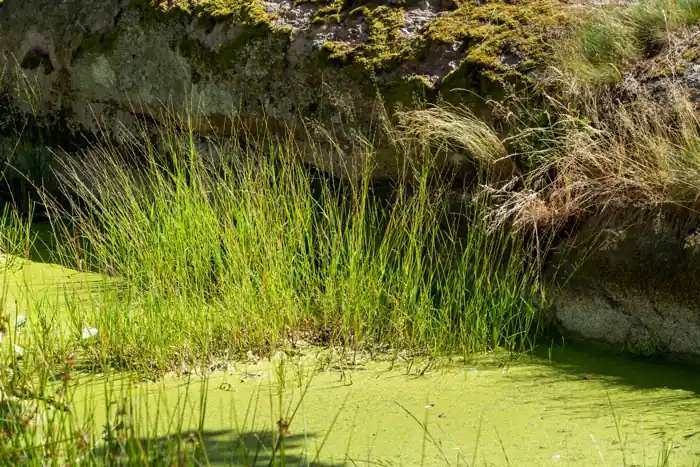
A small floating plant known as duckweed is being used in India as part of nature-based wastewater treatment and waterbody-restoration projects. The plant does not turn a polluted drain into a healthy river by itself. But when combined with waste removal, sewage control, wetlands and monitoring, it can help take nutrients out of water and support ecological recovery.
That is the approach behind Pune-based Lemnion Green Solutions, founded in 2018 by Dr Prasanna Jogdeo and Pooja Tendulkar. The organisation works on biological wastewater treatment and ecological rejuvenation of water bodies, including nullahs, lakes and riverfronts.
How duckweed works
Duckweeds are small flowering aquatic plants in the Lemnaceae family that float on water and grow rapidly under suitable conditions. As they grow, they take up nutrients such as nitrogen and phosphorus from the water. Harvesting the plant biomass is therefore essential: it is how nutrients are removed from the system rather than simply recycled when plants decay.
Research supports duckweed’s potential in phytoremediation, particularly for nutrient-rich wastewater. Reviews have examined its ability to take up nitrogen, phosphorus, some organic pollutants and, in certain conditions, heavy metals. Results vary widely with the species, temperature, light, wastewater composition, hydraulic retention time and whether the system is paired with pre-treatment or aeration.
That variation matters. A blanket claim that duckweed cleans “95%” of wastewater is not a reliable general rule. Treatment performance has to be measured for each site, using parameters such as biochemical oxygen demand, chemical oxygen demand, dissolved oxygen, pathogens, nitrogen, phosphorus and metals.
The Kamandalu River project
Lemnion says it has worked on the Kamandalu River rejuvenation project in Maharashtra, where its team used a nature-based approach after pollution and neglect had degraded the waterbody. The company has described a first phase of the project as completed, and its broader work includes removing waste, improving water quality and restoring ecological function.
Independent reporting has also described Lemnion’s systems as serving treatment capacities from small decentralised installations to large-scale wastewater flows. The most defensible conclusion is that duckweed can be a useful component of restoration—not that it is a standalone substitute for stopping untreated sewage, preventing industrial discharge or maintaining sanitation infrastructure.
Why nature-based treatment needs safeguards
For duckweed systems to work, incoming pollution must be understood and controlled. If water contains toxic metals or persistent chemicals, duckweed biomass can accumulate contaminants. That harvested biomass cannot automatically be used as animal feed or compost; its end use has to follow contamination testing and applicable safety rules.
Open ponds also need active management. If biomass is not harvested, nutrient removal stalls. If sewage continues to enter unchecked, a restoration project can be overwhelmed. Mosquito risk, odour, invasive species, seasonal variation and local hydrology all have to be addressed.
The appeal of duckweed is not that it offers a miracle cure. It is that a fast-growing native-or-managed biological system can complement engineered treatment, reduce nutrient loads and make restoration more accessible in some settings. For India’s polluted urban water bodies, the durable solution remains the same: stop pollution at source, treat wastewater properly, monitor results publicly and restore the ecosystems that keep water alive.
Sources: Lemnion Green Solutions; The Better India; and a scientific review of duckweed phytoremediation. This article was prompted by the submitted Instagram video.