Rahul Somvanshi
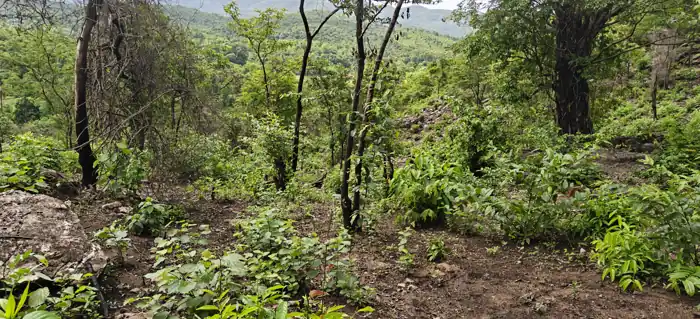
A proposed 3,000-megawatt pumped-storage hydropower project in Karjat, Maharashtra, has triggered a sharp debate over the environmental cost of clean-energy infrastructure after the state approved the felling of 32,490 trees.
The project, associated with Torrent Power, is planned in Raigad district and has drawn objections from residents, environmental groups and opposition parties. They say the loss of forest cover could harm biodiversity, water security and local livelihoods in the Western Ghats landscape.
What has been approved
News reports and public statements cite approval for the removal of 32,490 trees and diversion of about 233 hectares of forest land for the Sai Dongar-1 pumped-storage project. Pumped storage uses electricity to move water to an upper reservoir, then releases it through turbines when power is needed. It is increasingly seen as a way to store energy and stabilise a grid with growing solar and wind generation.
That climate and energy role does not remove the need for scrutiny of siting, cumulative impacts and alternatives. Tree loss at this scale raises questions about habitat fragmentation, slope stability, watershed functions, compensation planting and whether lower-impact options were adequately assessed.
A key correction on Bhimashankar
Social-media posts have described the project as being inside the eco-sensitive zone of Bhimashankar Wildlife Sanctuary. Torrent Power disputes that. The company says all project components are about 16 km from the sanctuary and outside both its boundary and its notified eco-sensitive zone. Maharashtra’s government has also defended the project as having followed the required approval process.
The distinction matters. It would be inaccurate to report that the project is inside the sanctuary or its eco-sensitive zone without evidence contradicting the company’s and government’s stated position. But being outside a protected-area boundary does not settle concerns about nearby forests, wildlife movement or impacts on communities. Those questions remain central to the public debate.
Local resistance and tree-felling status
Residents of villages including Dhak and Potal have opposed the project, citing concerns about forests, water and livelihoods. Reporting has documented protests and objections from activists and political leaders. Accounts have differed over whether felling was under way or had been paused; later reporting said the state paused tree felling while it planned outreach in affected villages.
That makes the project’s current operational status a moving target. What is established is that the permission to fell 32,490 trees has become a focal point of the dispute. Whether and when felling proceeds should be tracked through fresh forest-department orders, site inspections and court or regulatory records rather than viral claims alone.
The larger renewable-energy test
Maharashtra needs storage capacity as renewable generation expands. The harder policy question is whether the state can add that capacity without treating ecologically valuable forests as an expendable input. Meaningful assessment should compare alternative sites and designs, disclose biodiversity and hydrological studies, account for cumulative development pressure in the Western Ghats and ensure affected communities have a genuine say.
The Karjat dispute is therefore not a simple choice between forests and clean power. It is a test of whether clean-energy planning can be transparent, locally accountable and genuinely low-impact.
Sources: Frontline; Indian Express; and Torrent Power’s reported statement. The submitted Reel was used as a discovery lead, not as a standalone source.