 Tejal Somvanshi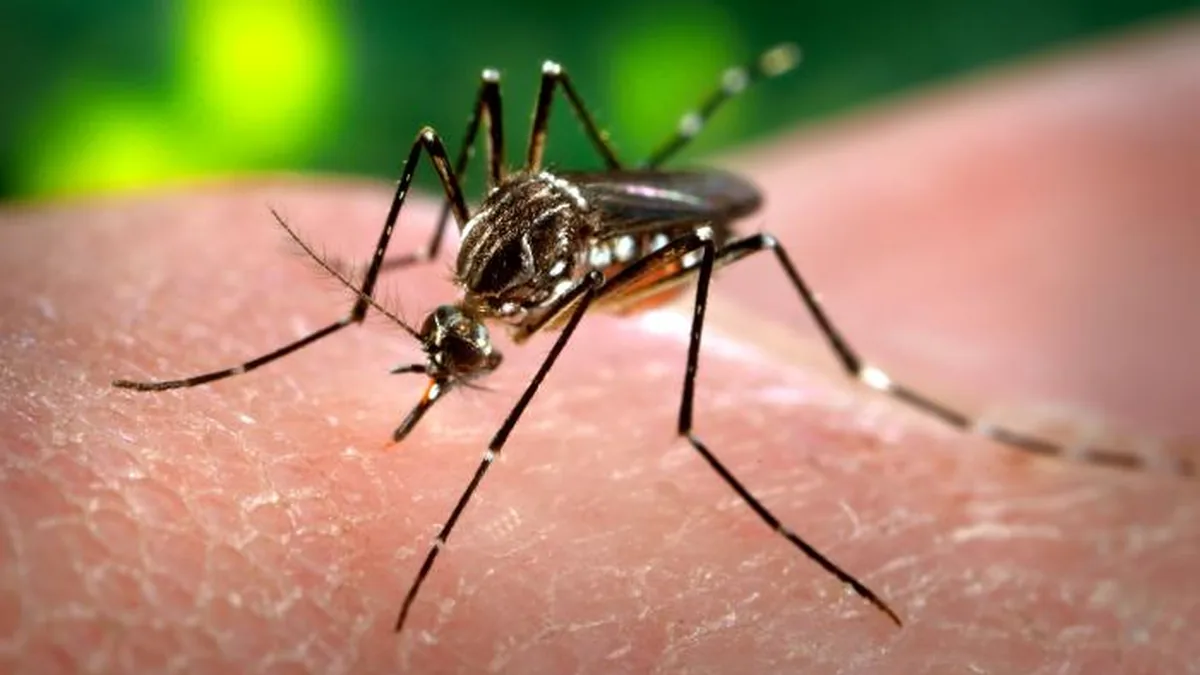
Florida municipalities are combining mosquito-control tools and yard-level source reduction to control a dengue outbreak that health officials say is locally transmitted — meaning infections are being spread by mosquitoes in the area, not only imported through travel. If you live in or around the Tampa Bay area, the risk is in your neighborhood, and in many cases it starts in your yard.
Florida’s Department of Health reported 59 locally acquired dengue infections in Hillsborough County as of September 4. Mosquito traps in the county are detecting dengue-virus activity. Hillsborough County announced aerial treatment over South Tampa using Dibrom to control adult mosquitoes, with weather-dependent treatment windows. Ground crews are also increasing patrols. Health officials confirm the dengue-spreading species — Aedes aegypti and Aedes albopictus — are container-breeding mosquitoes. That means they lay eggs in standing water, not in ponds or lakes.
Homeowners should immediately inspect exterior drainage systems, dump water from flowerpot saucers weekly, and treat any standing water that cannot be removed with biological Bti dunks or liquid drops. These treatments destroy mosquito larvae without endangering birds, domestic pets, or honeybees. In jurisdictions actively enforcing municipal vector codes, failing to eliminate artificial standing water can result in civil fines ranging from $50 to $250 per inspection. Cleaning yard containers prevents both fines and illness.
Why Bti Larvicide Outperforms Traditional Chemical Spraying
Bacillus thuringiensis israelensis — known as Bti — is a naturally occurring soil bacterium. It produces proteins that are toxic to the digestive systems of mosquito, blackfly, and fungus gnat larvae. Mammals, birds, and fish have acidic digestive systems that break down Bti proteins without harm. The EPA and CDC have reviewed the safety data and confirm Bti poses no risk to humans, domestic animals, or aquatic life. It is available in dunk and liquid forms at most home improvement retailers.
The shift to Bti reflects a real-world resistance problem. Aedes aegypti — the primary dengue vector — has developed resistance to legacy synthetic pyrethroid adulticides, the chemicals in conventional truck-mounted fogger sprays. [LINK: Sustainable backyard pest management strategies]
Another biological trait makes residential cleanup essential: Aedes aegypti eggs can desiccate — dry out completely — and survive attached to container walls for over nine months. When rainfall or any water source contacts them again, they can hatch within minutes. This means a forgotten bucket, a clogged gutter, or a drip tray under a plant pot can restart a breeding cycle after months of dry weather. Aerial spraying reaches adult mosquitoes in the air. It cannot reach desiccated eggs waiting on dry container surfaces.
Municipal aerial treatment with adulticide addresses adult mosquitoes in the environment. Research and field data show that more than 80 percent of urban dengue vector breeding occurs in small artificial containers holding under two gallons of water. Residential property management — not aerial spraying — is where the largest share of breeding gets stopped. [LINK: How rising temperatures are expanding mosquito and insect vector ranges]
Dengue fever symptoms include sudden high fever, severe headache, pain behind the eyes, muscle and joint pain, and rash. Symptoms appear three to fourteen days after a bite from an infected mosquito. Dengue does not spread person to person — it requires a mosquito to transmit from one person to another. If you develop these symptoms and have been outdoors in affected areas, contact your healthcare provider and mention possible mosquito exposure.
Florida’s Department of Health releases weekly arbovirus surveillance updates. Case numbers and affected zip codes are tracked there. Check the latest update before assuming your neighborhood’s risk level has not changed.
FAQ
Is Bti mosquito control safe for dogs, cats, and birds? Yes. Bacillus thuringiensis israelensis (Bti) is a naturally occurring bacterium that produces proteins toxic only to mosquito, blackfly, and fungus gnat larvae. Mammals, birds, and fish have acidic digestive systems that break down the protein without harm. The EPA and CDC confirm Bti’s safety profile for domestic animals and aquatic life.
How does dengue fever spread in Florida? Dengue is spread through bites from infected Aedes aegypti or Aedes albopictus mosquitoes. It does not spread directly from person to person. The 59 locally acquired Hillsborough County cases confirmed by Florida’s Department of Health as of September 4 indicate active mosquito-to-human transmission in the Tampa area.
What kills mosquito larvae naturally in standing water? Bti biological dunks or liquid drops kill mosquito larvae in standing water and are safe for pets, birds, and fish. Removing standing water entirely — emptying containers, clearing gutters, covering rain barrels — eliminates breeding sites before larvae develop. Aedes aegypti eggs can survive dry for months, so physical removal is more reliable than chemical treatment alone.