Sunita Somvanshi
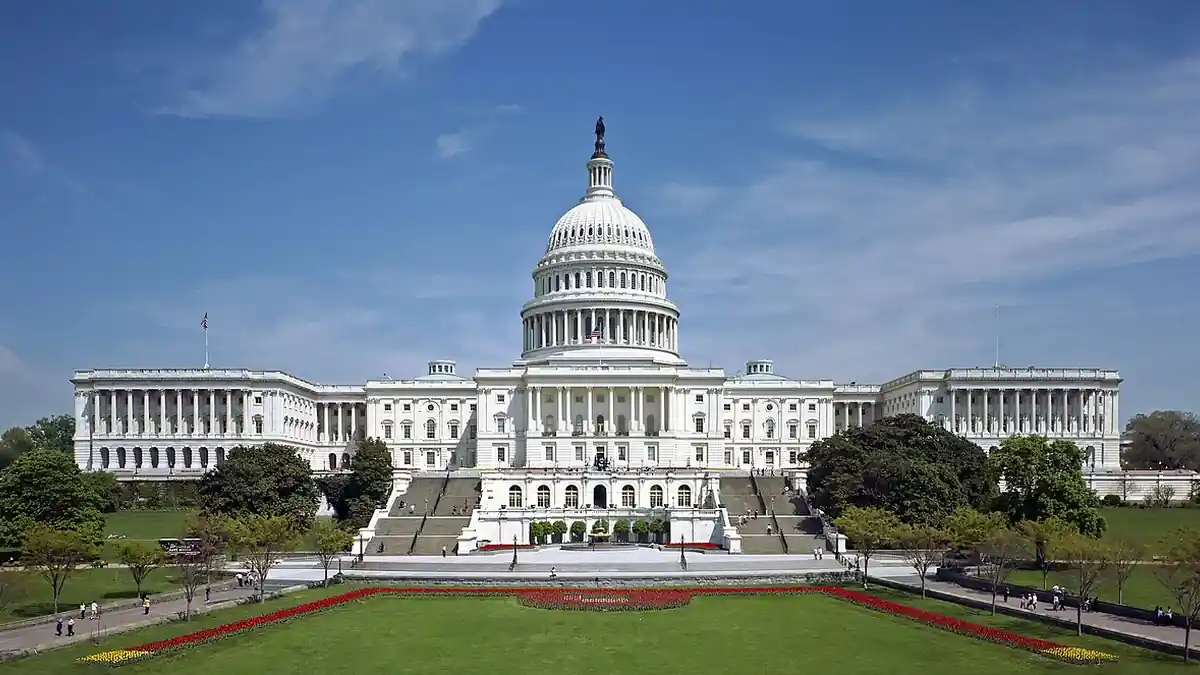
With polls opening across the country today, the most striking story of the final 24 hours before Election Day is not what voters are doing — it’s what Republican operatives are already doing. Blame narratives are circulating inside the party before a single result is in.
Election-eve models and polling forecasts entered November 3 showing Democrats as clear favorites in both chambers. Forecasting models and prediction markets as of November 1 to 3 gave Democrats approximately a 93% or higher probability of winning the House and roughly a 68 to 85% chance of controlling the Senate, depending on the model. Aggregated polling from Cook Political Report identifies 18 toss-up House districts where margins remain within the polling error, concentrated in suburban areas of California, New York, and the Rust Belt. Those competitive districts — not the national forecast — are where the final margins will be decided. Senate control is closer, with multiple toss-up state races still unresolved in final polling averages. Federal Election Commission fundraising data show both parties raised and spent at competitive levels in the closing weeks.
The narrow margins in competitive districts mean that voters split on suburban economic issues will effectively determine committee subpoena power and judicial confirmation pipelines for the next two years. If internal Republican disputes turn into post-election leadership purges, federal budget negotiations and tax policy extensions scheduled for early 2027 could face legislative gridlock before the new Congress even convenes.
The Pre-Emptive Blame Game
Internal Republican blame narratives began circulating anonymously to journalists at Axios and Politico in the days before polls opened — an unusual public display of party vulnerability during an active campaign cycle. The criticism centers on Donald Trump’s rally rhetoric and endorsement choices in contested suburban districts, where ticket-splitting voters are the decisive bloc.
Republican caucus chairs and campaign committee leads have made on-the-record statements defending their positioning. Anonymous operatives took a sharply different tone in reports from both outlets, pre-emptively attributing potential losses to poor candidate selection and messaging choices in districts where economic issues outrank cultural ones. Donor frustration, per Axios and Politico reporting, is concentrated in the same suburban seats where top-of-ticket brand friction has created distance between candidates and persuadable voters.
The structural consequence is significant. When party operatives assign blame before results are known, it shapes internal power dynamics after Election Day. A House Republican caucus entering a narrow minority while carrying pre-existing internal blame narratives faces a harder path to rebuilding. The outcome of the roughly 18 toss-up House races will determine whether those dynamics materialize.
Tonight’s results will be tracked across live coverage of eastern battleground states and western swing districts.
Bellwether precincts in historically watched counties such as Bucks County, Pennsylvania, and Cobb County, Georgia, are often reported early and watched by analysts, though their predictive value for any specific election varies. Key House race results in most regions are expected to come in during the hours after eastern polls close, though some contests may remain unresolved overnight.