Rahul Somvanshi
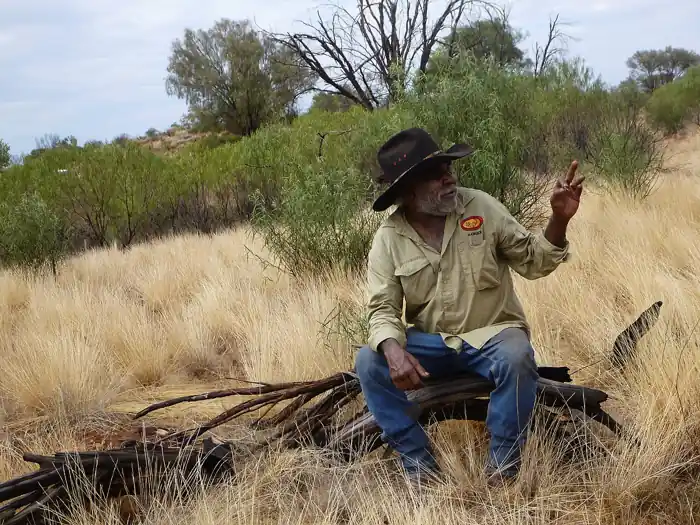
Australia has not declared 16 new Indigenous Protected Areas. The current development is narrower: 16 Indigenous Protected Area projects have received consultation grants, according to a report carrying that announcement. Consultation is an early step in which Traditional Owners and communities can consider whether pursuing an IPA is right for their Country.
The distinction matters. An Indigenous Protected Area is not created simply because a project has received funding. In Australia, IPAs are voluntarily dedicated by Indigenous landowners or custodians, then managed under an agreed plan. The Australian Government describes the program as supporting First Nations peoples to manage land and sea Country for cultural and conservation outcomes.
The grants may allow the 16 projects to undertake community discussions, planning and other preparatory work. They should not be read as proof that 16 areas have already been declared, nor as a final list of new protected areas. A formal declaration would require an announcement identifying the Country involved and the status of the proposed IPA.
What is an Indigenous Protected Area?
Indigenous Protected Areas are part of Australia’s National Reserve System. They are established through voluntary agreements with Indigenous groups and can cover land, freshwater or sea Country. Management can combine cultural knowledge with work such as protecting habitat, managing fire, controlling invasive species and caring for culturally significant places.
Do consultation grants mean 16 new protected areas now exist? No. The grants are for projects considering or preparing for possible IPAs. The number of areas ultimately dedicated, their boundaries and timing would depend on decisions by the relevant Traditional Owners and formal program processes.
The funding is still significant because it supports communities to lead decisions about Country. But the accurate description for now is that 16 IPA projects have received consultation support—not that Australia has added 16 new Indigenous Protected Areas.