Sunita Somvanshi
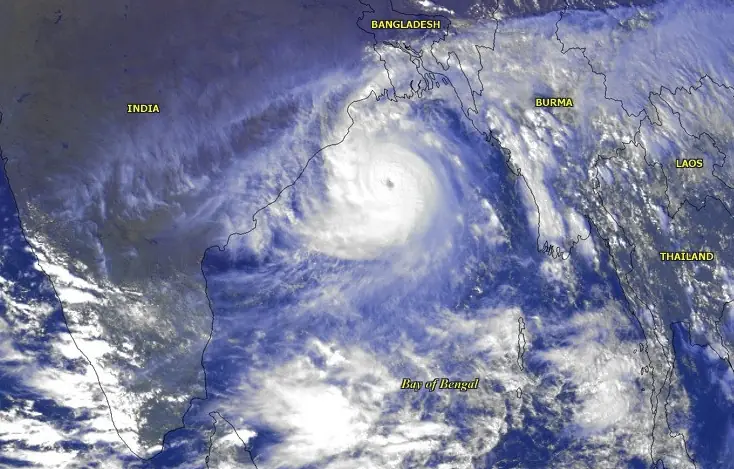
People along the south Andhra Pradesh coast were told to follow official warnings as Severe Cyclonic Storm Murasu approached the shoreline late on November 2. The India Meteorological Department said the system was expected to cross the coast between Nellore and Narsapur, close to Ongole, during the night and early hours of November 3.
In its 22:00 IST national bulletin, IMD said Murasu was centred over the west-central Bay of Bengal, off south Andhra Pradesh, and was moving north-northwest at 12 km/h. The department forecast sustained winds of 100–110 km/h, gusting to 120 km/h, at the time of landfall.
For residents, the immediate point is practical: do not rely on a single video or an old weather graphic. Follow the latest warning issued for your district, avoid coastal or low-lying areas when authorities advise it, and keep phones charged in case local officials issue evacuation or safety instructions.
What IMD said about the cyclone’s position
At 20:30 IST on November 2, IMD placed the storm near 14.9°N and 80.6°E. It said Murasu was about 60 km east of Kavali, 80 km northeast of Nellore, 90 km southeast of Ongole and 160 km south-southwest of Machilipatnam. IMD said Doppler weather radars at Chennai and Machilipatnam were continuously monitoring the system.
The forecast landfall zone covers a populated stretch of the Andhra coast. A severe cyclonic storm can bring dangerous wind, heavy rain, rough seas and local flooding, but the impact in any one town depends on the final track, timing, tide and local conditions. The forecast is not a record of damage or an assurance that every place in the corridor will experience the same conditions.
IMD’s bulletin carries a red message for Andhra Pradesh and adjoining north Tamil Nadu coasts. Fishing communities and people near the coast should use the department’s current weather warnings and official updates, as cyclone forecasts can change as a system nears land.
The agency’s named forecast called for the system to cross as a severe cyclonic storm between 23:30 IST on November 2 and 04:00 IST on November 3. Residents should follow directions from district authorities and disaster-management agencies rather than attempting to assess risk from the storm’s name or a single forecast position.