 Govind Tekale
Why Organizers Linked the March to Tuesday’s Local Voter Turnout
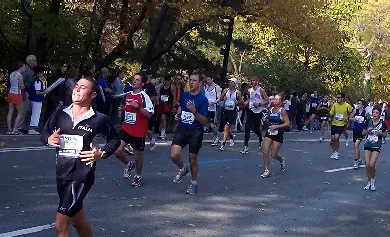
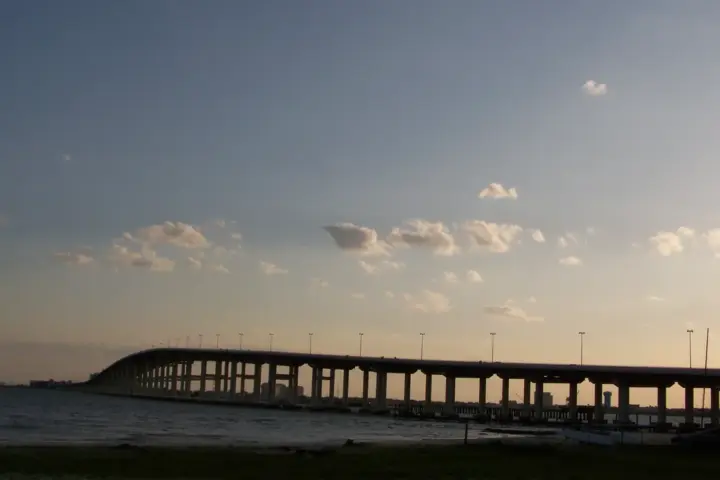
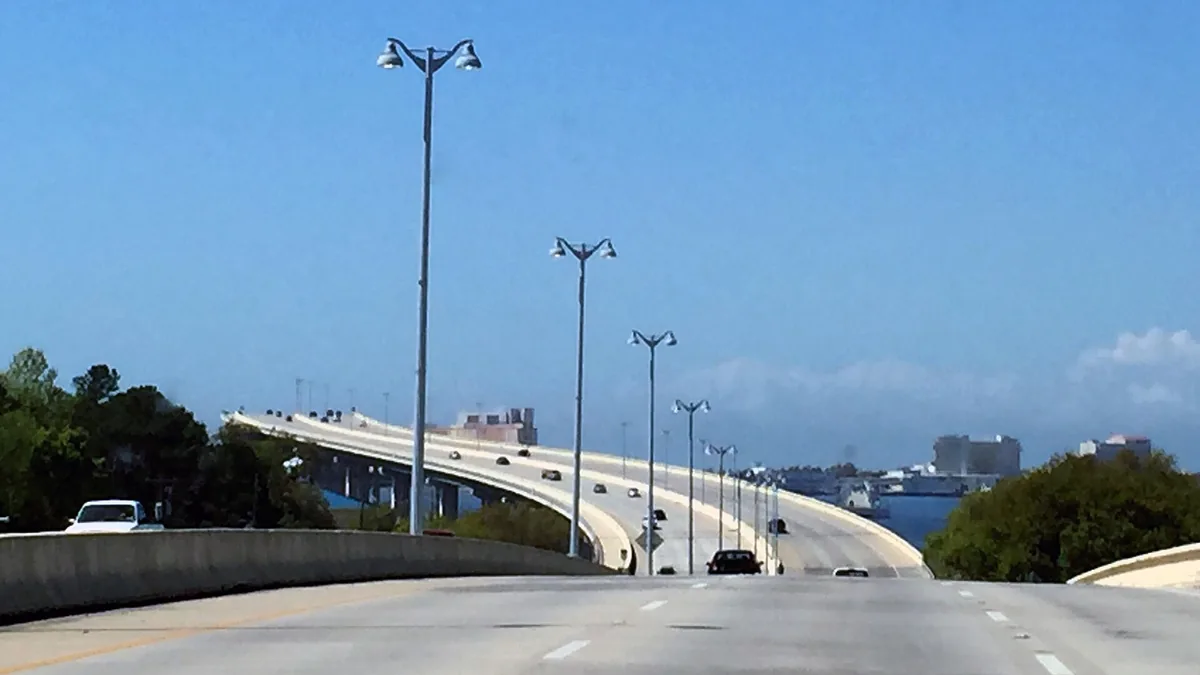
More than 500 people marched across the Biloxi Bay Bridge and in Baton Rouge on November 1, 2026, demanding a U.S. Department of Justice review after a grand jury declined to charge the officer who killed Nolan Wells on July 4, 2026. Organizers explicitly tied the demonstrations to Tuesday’s local elections, urging voters to hold prosecutors and sheriffs accountable at the ballot box. The marches represent the largest coordinated action since the grand jury decision in October.
The grand jury’s decision not to indict has reignited debate over police accountability in Mississippi and Louisiana. Wells, a 24-year-old Black man, was shot during a traffic stop in Gulfport. Body camera footage showed Wells complying with commands before the officer fired. The local prosecutor presented the case to a grand jury in October, which returned a no-bill. Family attorneys say the prosecutor did not present exculpatory evidence and mischaracterized the video.
Marchers Demand Federal Review as Local Elections Approach
March organizers from the NAACP Legal Defense Fund, the Southern Poverty Law Center, and local Black Lives Matter chapters called for the DOJ Civil Rights Division to open a pattern-or-practice investigation into the Gulfport Police Department. They also demanded the removal of the local prosecutor from any future cases involving police use of force. Speakers at the Biloxi Bay Bridge rally named the district attorney and sheriff as officials who could be voted out on Tuesday.
The July 4 shooting occurred during a routine traffic stop for a broken taillight. Body camera footage released in September shows Wells keeping his hands visible on the steering wheel. The officer approached, shouted commands, and fired within seven seconds of reaching the window. The officer claimed he saw a weapon. No weapon was found in the vehicle. The grand jury heard testimony from the officer and two witnesses but did not hear from the medical examiner or review the full unedited video, according to the family’s legal team.
Mississippi’s 2026 municipal elections include races for district attorney in Harrison County and sheriff in several Gulf Coast counties. Louisiana has parish-level prosecutor and sheriff races on the same ballot. Organizers distributed voter guides at both march locations highlighting candidates’ positions on police accountability, body camera policies, and civilian oversight boards. The guides do not endorse specific candidates but flag incumbents who opposed reform measures.
The case dates to July 4, 2026, but the November 1 march is new, driven by the October grand jury decision. Organizers chose the date to maximize pressure before Tuesday’s elections. The DOJ has not announced whether it will open a civil rights investigation. Previous pattern-or-practice investigations in Mississippi have led to consent decrees mandating body cameras, use-of-force reporting, and civilian oversight.
March organizers explicitly linked the November 1 demonstrations to Tuesday’s local elections, urging voters to hold prosecutors and sheriffs accountable at the ballot box. The grand jury declined to charge the officer who killed Nolan Wells on July 4, 2026. The DOJ has not announced whether it will open a civil rights investigation.
Voters in Harrison County, Mississippi, and parishes across southeastern Louisiana will choose district attorneys and sheriffs on Tuesday. The outcome may determine whether police accountability measures advance or stall in the region where Nolan Wells was killed.